Can You Put a New Roof Over Old Shingles in NJ?
Can you install new shingles over your old roof in New Jersey? Learn the code limits, real cost savings, hidden risks and when a full tear-off is the smarter choice.
ARAmerican Roofing Pros··5 min read
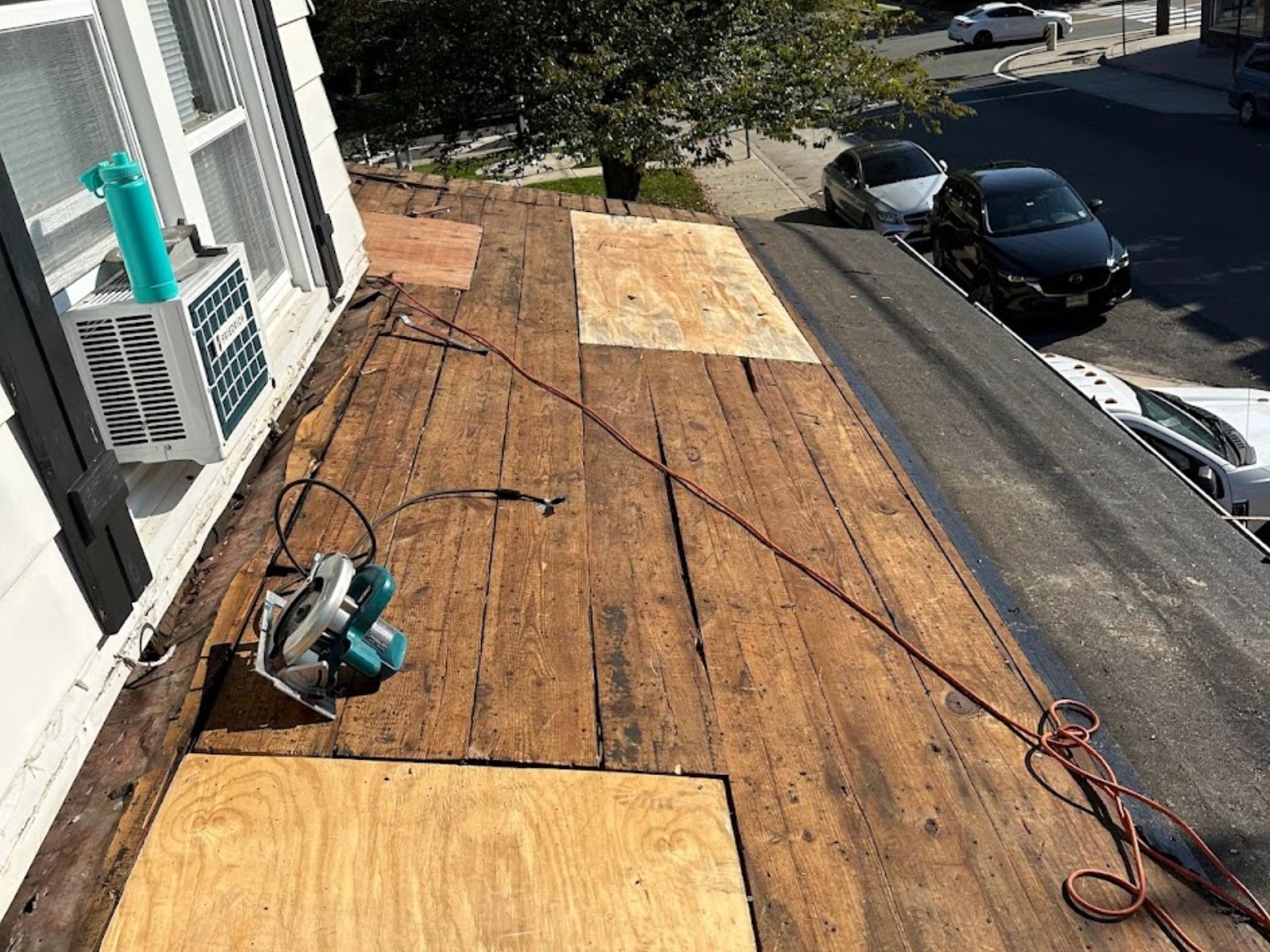
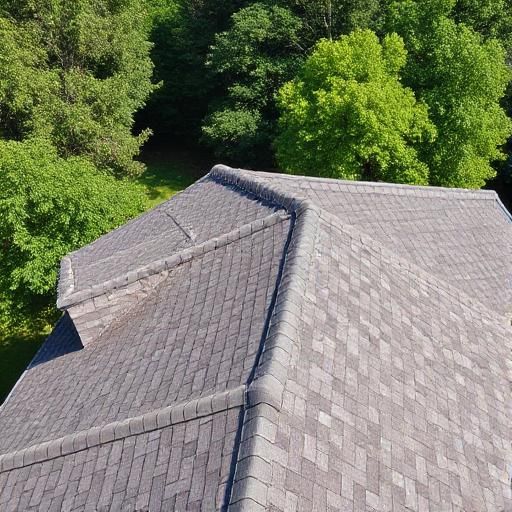
Yes, in many cases you can legally install new asphalt shingles over one existing layer in New Jersey. The building code generally allows a maximum of two layers, and only when the existing roof is flat, dry and structurally sound. But just because a roof-over is allowed doesn't mean it's the right call. For most New Jersey homes, a full tear-off costs a little more up front and delivers a longer-lasting, better-protected roof.
With fall estimates rolling in and winter around the corner, a lot of homeowners are seeing two prices for the same job: one for a "layover" and one for a complete tear-off. Here's how to understand the difference and decide which makes sense for your house.
What NJ Code Says About Layering Shingles
New Jersey enforces the Uniform Construction Code, which adopts the International Residential Code for one- and two-family homes. Under those rules, a new roof covering can sometimes be installed over an existing one, but there are firm limits. Your local construction official will apply them when you pull a permit, which is required for a roof replacement whether you tear off or not. Our post on whether you need a permit for a roof replacement in NJ covers that process in more detail.
When a roof-over is not allowed
- There are already two or more layers. If someone has already roofed over the original shingles, the next roof must be a full tear-off down to the deck.
- The existing roof is water-soaked or deteriorated. Soft, rotted or delaminating decking can't support new shingles or hold nails properly.
- The existing material isn't suitable as a base. Slate, clay or concrete tile, wood shakes and asbestos-cement shingles can't simply be covered with asphalt shingles.
- The surface isn't flat enough. Badly curled, cupped or buckled shingles will telegraph through the new layer and keep the new shingles from sealing.
Why Most NJ Roofers Recommend a Tear-Off
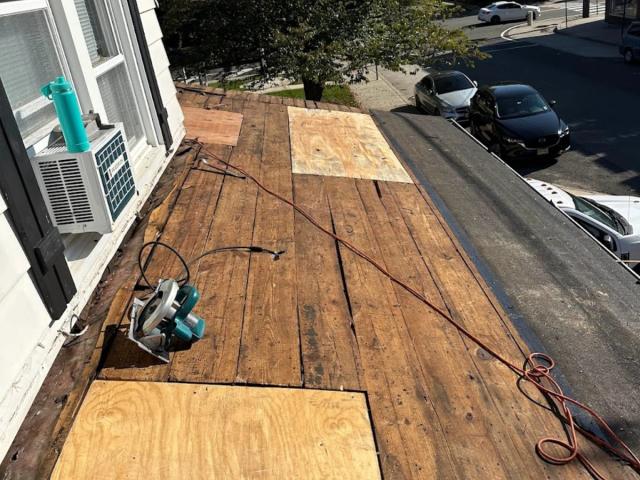
The biggest problem with a roof-over is what you can't see. When the old shingles stay in place, nobody gets a look at the plywood or plank decking underneath. Soft spots, rot around chimneys and old leak damage get buried under a brand-new roof, and they don't stop getting worse.
No ice and water protection at the eaves
In New Jersey's climate, a self-adhering ice and water barrier along the eaves is one of the most important parts of a roof. It's installed directly on the deck to stop water from backing up under shingles when ice dams form. On a roof-over, there's no clean deck to apply it to, so you lose much of that protection. If your home has had ice dam problems, read our guide on how to prevent ice dams on your NJ roof before deciding.
Flashing gets compromised
Leaks usually start at chimneys, walls, skylights, vents and valleys, not in the middle of the roof. A proper replacement includes new flashing and drip edge. With a layover, crews often bend or patch old flashing to fit the thicker roof, which is exactly where future leaks tend to begin.
Shorter lifespan and more heat
Shingles installed over an old layer sit on a slightly uneven surface and tend to hold more heat, which can speed up aging. Many roofers see layovers wear out sooner than the same shingles installed on a clean deck. Extra weight matters too: one layer of asphalt shingles on a typical 2,000-square-foot roof can weigh roughly 2 to 4 tons, and a second layer doubles that load on rafters that may already be decades old.
Warranty limitations
Basic manufacturer shingle warranties may still apply on a roof-over, but many of the strongest enhanced system warranties require installation over a clean, properly prepared deck. If a long, contractor-backed warranty matters to you, ask in writing whether a layover qualifies before you sign.
How Much Does a Roof-Over Actually Save?
The savings come mainly from skipping removal and disposal. In New Jersey, tearing off one layer of asphalt shingles and hauling it away often adds roughly $1.00 to $2.50 per square foot. For an average single-family home, that typically works out to somewhere around $2,000 to $5,000, though it varies with roof size, pitch, number of layers, access and dumpster fees.
That number looks attractive until you weigh what you're giving up. Consider:
- Any rotted decking you didn't see will still need to be fixed later, often after it causes interior damage.
- The next roof will be a mandatory two-layer tear-off, which costs more to remove and dispose of.
- A roof-over can raise questions from home buyers and inspectors when you sell.
- If the layover wears out several years earlier, the up-front savings are gone.
For a full breakdown of what drives replacement pricing, see our roof replacement page or request a written, itemized quote so you can compare both options line by line.
When a Roof-Over Might Make Sense
There are a few situations where a layover can be reasonable, as long as the roof meets code and a roofer has actually inspected it:
- There is only one existing layer, and it lies flat with no curling or buckling.
- The decking feels solid underfoot and there's no history of leaks or attic moisture.
- You plan to sell or move within a few years and need a short-term solution.
- It's a small, low-risk structure such as a detached garage or shed.
Even then, ask the contractor how they'll handle flashing, drip edge, valleys and ventilation. A roof-over that skips those details isn't really a new roof.
How to Tell How Many Layers You Already Have
You can often get a good idea without climbing on the roof:
- Look at the edge. From a ladder at the gutter line, count the shingle edges stacked at the drip edge or rake. Two distinct layers are usually visible.
- Check the roofline. A lumpy, wavy look or shingles that appear unusually thick can signal a second layer.
- Look in the attic. You won't see layers, but you can spot water stains, dark or soft decking and roofing nails that are rusted, which tell you more about the deck's condition.
- Check your records. Permit history from your town's construction office or past home inspection reports often note the number of layers.
The most reliable answer comes from a professional roof inspection, where a roofer checks the layer count, deck condition, flashing and ventilation and documents it with photos.
Our Take as a Local Roofer
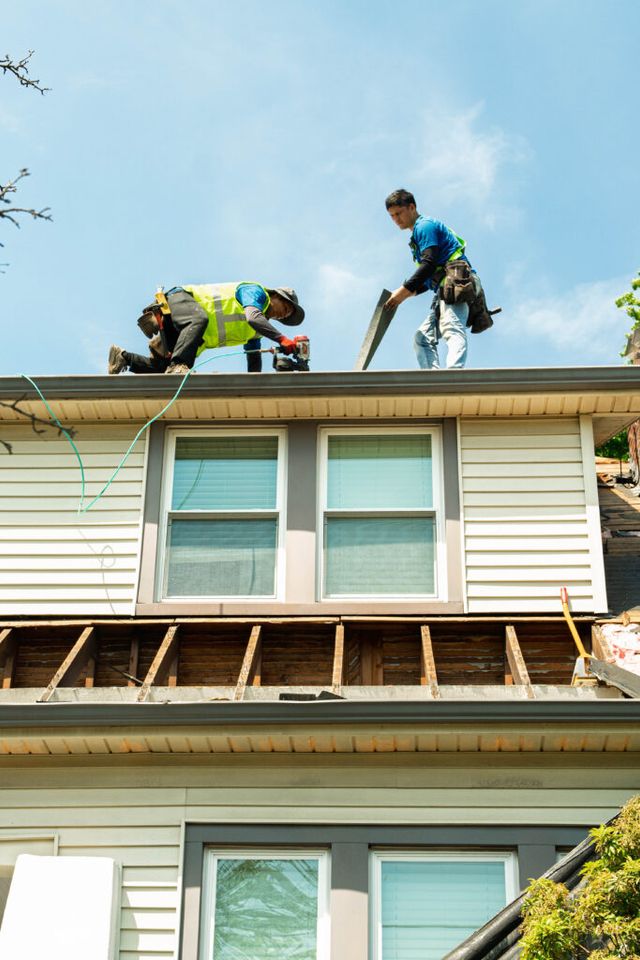
As a GAF Master Elite® contractor, American Roofing Pros recommends a full tear-off on the vast majority of New Jersey homes. It lets us replace damaged decking, install ice and water barrier and new flashing, correct ventilation, and back the roof with a full system warranty. Most tear-off replacements are still finished in a single day, so the extra step rarely adds much disruption.
That said, every roof is different. If a layover is truly an option for your home, we'll tell you, and we'll show you both prices so the decision is yours.
Next Steps
If you're comparing a roof-over and a tear-off this fall, start with a clear picture of what's on your roof now. We'll inspect it, photograph the layers and decking, and give you a written, itemized estimate for the options that make sense. Call (877) 228-1042 or request your free estimate to get started before winter weather sets in.