Nor'easter Roof Prep for Point Pleasant Beach, NJ Homes
Nor'easter season is here. Learn how Point Pleasant Beach homeowners can prep their roofs for wind, salt air and driving rain before winter storms hit.
ARAmerican Roofing Pros··5 min read
The best way to get a Point Pleasant Beach roof ready for nor'easter season is to fix the small weak spots now, before the first big storm. That means re-securing loose or unsealed shingles, replacing corroded flashing, clearing gutters, checking roof vents and looking in the attic for early signs of moisture. Most of this work takes a few hours and costs far less than repairing water damage in January.
Late October is the right time to act. Nor'easters can hit the Jersey Shore anytime from fall through early spring, and once temperatures drop, shingle sealant doesn't bond as well and roof repairs get harder to schedule. Here's what shore homeowners should know.
Why Nor'easters Are So Hard on Shore Roofs
A summer thunderstorm usually passes in an hour. A nor'easter can sit over the coast for one to three days, pushing sustained wind and heavy rain at your house from the northeast and east the whole time. That long, steady pressure is what finds every weakness in a roof.
In a town like Point Pleasant Beach, tucked between the Manasquan Inlet and the ocean, there's very little to break the wind before it reaches your house. Three things work against your roof at once:
- Wind uplift. Gusts get under shingle edges, especially at eaves, rakes and ridges, and can break the sealant strip that holds each shingle down.
- Wind-driven rain. Rain blowing sideways can travel up and under shingles, past worn flashing and into gaps around vents and chimneys, places that stay dry in a normal rain.
- Salt air. Years of salt exposure corrode nails, metal flashing, drip edge and gutter fasteners, so parts that look fine from the ground may be weak up close.
Common Weak Spots on Point Pleasant Beach Homes
Housing in town is a mix of older beach bungalows and Cape Cods, two-story colonials, and newer or raised homes built after Superstorm Sandy. Each style has its own trouble areas, but these are the spots we check first on shore houses:
- Shingles along the rake edges and ridge that have lifted, curled or lost their seal
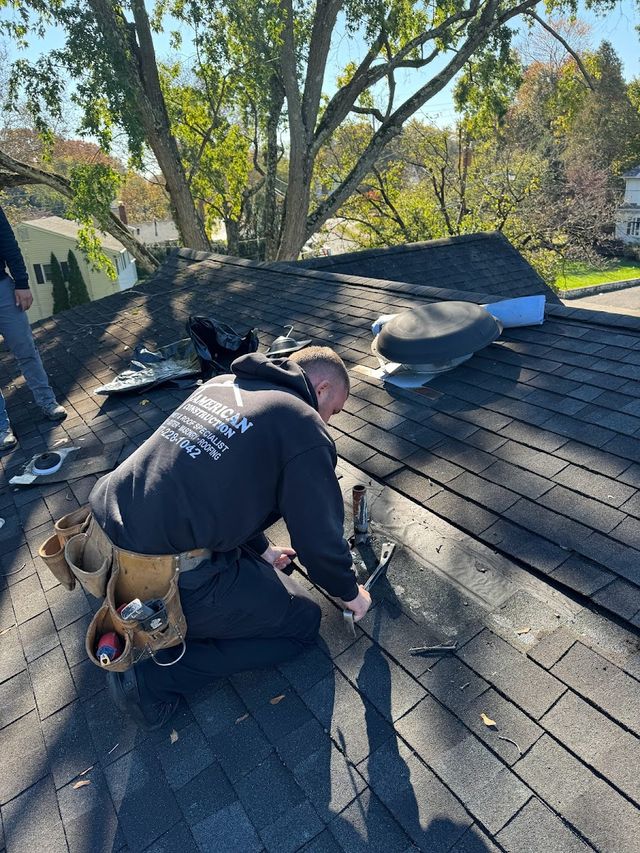
- Rusted or pulled-away step flashing where the roof meets a wall or dormer
- Cracked caulk or loose counterflashing around chimneys
- Brittle rubber boots around plumbing vent pipes, a very common leak source
- Corroded drip edge and gutter hangers that let gutters sag or pull loose
- Box vents or turbine vents that are loose, dented or missing screws
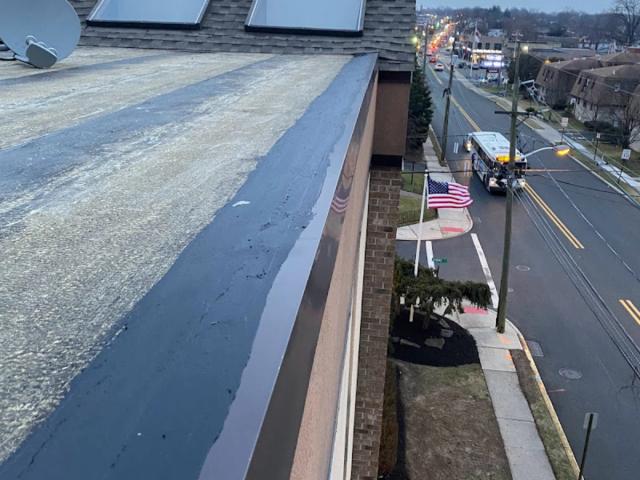
- Low-slope porch or addition roofs where water collects and seams have opened
Raised homes deserve extra attention. A roof that sits higher catches more wind, so edge details and fastening matter even more than on a ground-level house.
A Fall Nor'easter Prep Checklist
Some of these steps you can handle from the ground or from inside. Anything that requires walking on the roof is best left to a professional, especially on steep or wet surfaces.
- Walk the property with binoculars. Look for missing shingles, raised edges, dark patches and anything metal that looks rusted or bent.
- Clean the gutters and downspouts. Leaves and pine needles pile up fast in October. Clogged gutters overflow in heavy rain and push water back under the roof edge.
- Check gutter attachment. Gutters that wobble or sag can tear away in high wind and take the fascia or drip edge with them.
- Trim overhanging branches. Limbs within about 6 to 10 feet of the roof can scrape shingles or fall during a storm.
- Look in the attic on a bright day. Daylight through the roof boards, water stains, damp insulation or rusty nail tips all point to problems.
- Secure loose items outside. Patio furniture, grills and outdoor decor can become projectiles in 50 mph gusts.
- Schedule a professional roof inspection. A roofer can hand-check shingle seals, flashing and vents and fix minor issues the same day. Learn more about our roof inspection service.
- Gather your paperwork. Find your homeowners policy, note your wind or hurricane deductible, and take dated photos of the roof now so you have a before-storm record.
What Pre-Storm Repairs Typically Cost
Prices vary by roof size, pitch, material, access and the overall condition of the roof, but these ranges give you a realistic starting point for shore homes:
- Resealing or replacing a handful of shingles: roughly $300 to $900
- Replacing a plumbing vent boot: roughly $200 to $500
- Chimney flashing repair or replacement: roughly $500 to $1,800
- Replacing a section of corroded step flashing: roughly $400 to $1,500
- Full asphalt shingle roof replacement on a typical single-family home: often $10,000 to $25,000 or more
Compare those repair numbers to what a slow leak can do over a winter: soaked insulation, stained ceilings, rotted roof decking and possible mold. Spending a few hundred dollars in October is almost always cheaper than fixing interior damage after a February storm.
When a Repair Isn't Enough
If your roof is 18 to 25 years old, has widespread curling or granule loss, or has needed repairs after each of the last few storms, patching it again may not get you through the season. At that point, a replacement built for coastal conditions is often the smarter investment.
For shore homes, a well-built replacement should include:
- High-wind nailing patterns with corrosion-resistant fasteners
- Starter strip shingles at both the eaves and rakes to resist uplift at the edges
- Ice and water shield at the eaves, valleys and around penetrations
- New drip edge, flashing and vent boots rather than reusing old metal
- Proper attic ventilation so the roof deck stays dry year-round
As a GAF Master Elite® contractor, American Roofing Pros installs complete GAF roofing systems. GAF's Timberline HDZ shingles can qualify for the WindProven limited wind warranty when installed with qualifying GAF accessories, which is worth asking about if you live near the water. And yes, roofs can be replaced in fall; most of our replacements are finished in a single day.
What to Do After a Nor'easter Hits
Even a well-prepared roof can take a hit from a strong storm. If you suspect damage, follow these steps:
- Stay off the roof. Wet shingles and high wind make it extremely dangerous.
- Take photos of any shingles in the yard, damaged gutters and interior water stains.
- Place buckets and towels under active drips and move valuables away from leaks.
- Call a roofer for an inspection and emergency tarping if needed, then contact your insurance company.
Our team handles storm and roof damage repair across Ocean County and documents damage with photos you can share with your insurer. For more on the claims side, see our post on storm damage roof insurance claim tips for New Jersey.
Next Steps for Point Pleasant Beach Homeowners
Nor'easter season rewards homeowners who prepare early. A quick inspection and a few targeted repairs this month can keep your home dry all winter. Visit our Point Pleasant Beach roofing page to see how we serve the area.
To schedule an inspection or get a written, itemized price with photos, call American Roofing Pros at (877) 228-1042 or request your free estimate today.