Ridge Vents vs Box Vents: Which Is Better for NJ Attics?
Ridge vents or box vents? Learn how each one works, which suits your NJ roof shape, typical costs, and why mixing exhaust vents can backfire this winter.
ARAmerican Roofing Pros··6 min read
For most New Jersey homes with a reasonably long ridge and vented soffits, a continuous ridge vent is the better choice. It exhausts air evenly along the highest point of the attic, is nearly invisible from the street, and handles our humid summers and cold, snowy winters well. Box vents still make sense on hip roofs with short ridges, roofs with complicated lines, or homes where a ridge vent simply can't move enough air. The vent type matters less than one thing: a balanced system where intake and exhaust work together.
With heating season starting and the first freezing nights on the way, late October is when ventilation problems start to show up in NJ attics. Here's how each option works and how to tell which one fits your house.
How Attic Ventilation Works
A vented attic works like a chimney. Cooler outside air enters low through soffit or edge vents (intake), warms up, rises and leaves high through vents near the peak (exhaust). That steady flow carries away heat in summer and moisture in winter.
In New Jersey, the winter side is easy to overlook. Warm, moist air from showers, cooking and the furnace leaks into the attic and condenses on the cold underside of the roof deck. Without enough airflow, you get frost on nail tips, damp insulation, mold and a warm roof deck that melts snow and feeds ice dams. Our guide on how to prevent ice dams on your NJ roof covers that side of the problem in more detail.
Ridge Vents: Pros and Cons
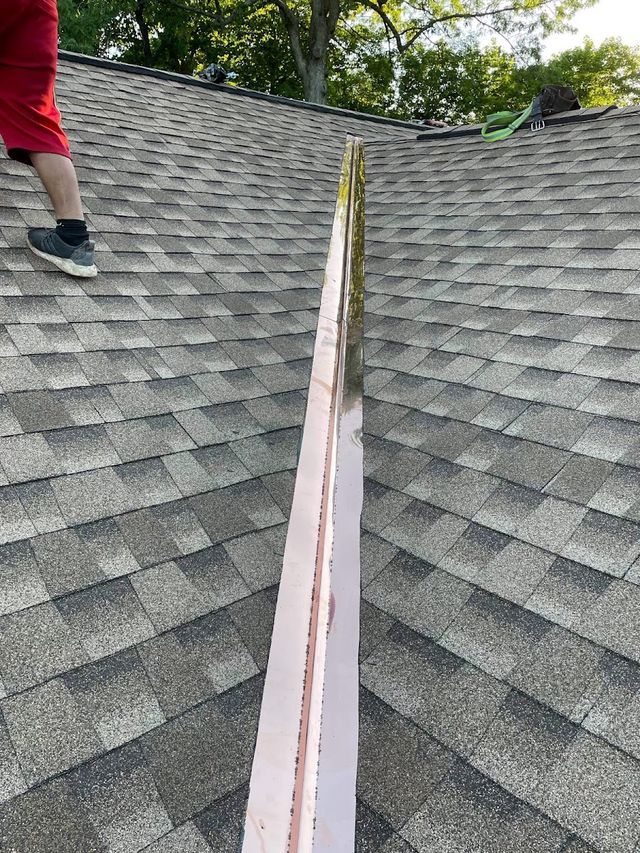
A ridge vent is installed over a slot cut along the peak of the roof, usually stopping short of each end. It's then covered with cap shingles, so from the ground it looks like a normal ridge line. Quality products have baffles and filter material that help keep out wind-driven rain, snow and insects.
Advantages:
- Even airflow. Because it runs the length of the ridge, it pulls air across the whole attic instead of from a few spots, reducing dead zones.
- Best location. The ridge is the highest, warmest point, which is exactly where exhaust works best.
- Clean look. No rows of boxes on the roof, which many homeowners prefer on the street-facing side.
- Fewer penetrations in the field of the roof. One continuous opening at the peak instead of several holes cut through the shingle surface.
Drawbacks:
- It needs enough ridge length. Hip roofs and some Cape Cods have short ridges that can't provide adequate exhaust alone.
- It depends on good soffit intake. Without it, a ridge vent can pull air in through itself or from the living space.
- It's best installed during a full roof replacement, since new cap shingles go over it.
Box Vents: Pros and Cons
Box vents (also called static, louver or turtle vents) are individual square vents set into the roof near the peak. Each one covers a hole cut in the deck. They have no moving parts and rely on natural convection, the same as a ridge vent.
Advantages:
- Works on almost any roof shape, including hip roofs, short ridges and complex designs with multiple sections.
- Easy to add or replace individually, which can help when a single vent is cracked or leaking.
- Lower upfront cost on some roofs, especially smaller ones.
Drawbacks:
- Airflow is concentrated around each vent, so areas between them can stay warm and damp.
- You often need several to reach the right exhaust area, which means more openings in the roof.
- Plastic vents can crack or warp after years of UV exposure and freeze-thaw cycles, a common source of small leaks we find on NJ inspections.
- They're more visible from the street.
Which Vent Fits Your Roof?
Here's how the choice usually plays out on typical New Jersey houses:
- Colonials, split-levels and ranches with long gable ridges: Ridge vent plus soffit intake is usually the strongest setup.
- Hip roofs: Often box vents, or a combination of ridge and specialty hip vents, depending on how much ridge is available.
- Cape Cods and finished attics: Ventilation depends on whether there are open rafter bays; these often need a custom plan rather than a one-size answer.
- Homes with little or no soffit overhang: Neither exhaust vent works well without intake, so an edge or drip-edge intake vent may be needed at the roof's lower edge.
Don't Mix Exhaust Vents
One of the most common mistakes we see is a new ridge vent installed while the old box vents or gable vents are left open. It sounds like more ventilation is better, but two types of exhaust on the same attic space can short-circuit each other. The ridge vent ends up pulling air in through the nearby box vents instead of from the soffits, leaving the lower attic stagnant and sometimes drawing rain or snow in through the box vents.
The rule of thumb: pick one exhaust type per attic space, pair it with low intake, and close off the rest. If your home has gable vents, they're often sealed from the inside when a ridge vent goes in.
How Much Ventilation Does an NJ Attic Need?
Building codes generally call for 1 square foot of net free vent area for every 150 square feet of attic floor, or 1 per 300 square feet when the system is balanced between high and low vents and certain conditions are met. Ideally, intake is equal to or slightly greater than exhaust.
Here's a simple example for a 1,500-square-foot attic using the 1:300 ratio:
- Total vent area needed: 1,500 ÷ 300 = 5 square feet, or 720 square inches.
- Split it in half: about 360 square inches of exhaust and 360 of intake.
- With a ridge vent rated around 18 square inches per linear foot, you'd need roughly 20 feet of vent.
- With box vents rated around 50 square inches each, you'd need about seven or eight.
Ratings vary by product, so a roofer should check the manufacturer's numbers for your specific vents. This math is also why short-ridge roofs sometimes can't rely on a ridge vent alone.
Cost and When to Make the Switch
The most cost-effective time to change your ventilation is during a roof replacement. The old shingles are already off, the deck is exposed, and cutting a ridge slot or patching old box vent holes adds relatively little labor. On a typical NJ home, adding a ridge vent during a replacement often adds a few hundred dollars to around $1,000, while individual box vents are usually less per unit. Costs vary with ridge length, roof pitch, the product line and how much intake work is needed.
If your roof still has plenty of life left, you don't need to tear it off for ventilation. Adding intake, replacing cracked box vents or adding a few more can solve many problems in the meantime. As a GAF Master Elite® contractor, American Roofing Pros designs ventilation as part of the whole roof system, which also matters for keeping shingle warranties valid.
Watch for these signs this fall and winter that your attic isn't breathing well:
- Frost or water droplets on nail tips and the underside of the roof deck
- Damp, matted or stained insulation
- Musty smells or dark spots on rafters
- Icicles and ice buildup along the gutters
- Upstairs rooms that are hard to heat or cool evenly
Next Steps
If you're not sure whether your attic has the right setup, a roof inspection will show what vents you have, whether intake and exhaust are balanced, and whether moisture is already building up. You can also learn more about our attic ventilation services.
Call American Roofing Pros at (877) 228-1042 or request a free estimate. We'll send photos and a written, itemized price so you know exactly what your roof needs before winter sets in.