Drone vs Walk-On Roof Inspection: Which Is Better in NJ?
Drone or walk-on roof inspection? Learn what each one catches, when NJ weather makes a drone the safer choice, and why the best inspections use both.
ARAmerican Roofing Pros··5 min read
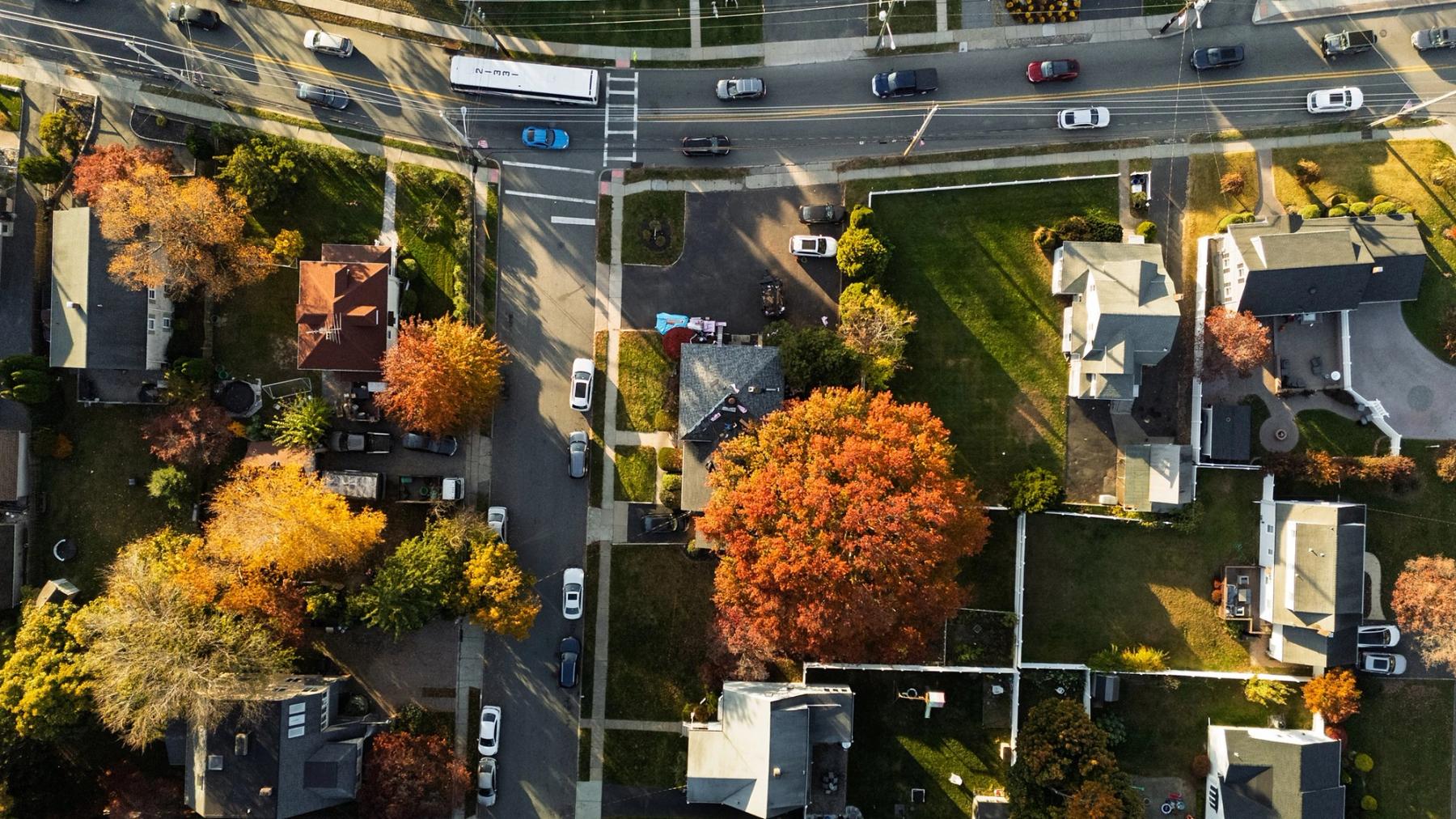
Neither one wins on its own. A drone inspection is faster, safer and better for seeing the whole roof at once, especially on steep or icy roofs in a New Jersey winter. A walk-on inspection catches problems you can only find by touch, like soft decking, unsealed shingles and loose flashing. The most reliable roof inspections use a drone for the overview and a hands-on check (plus a look in the attic) wherever conditions allow.
Here is what each method does well, where each falls short, and how to decide which one fits your roof and the time of year.
How a Drone Roof Inspection Works
The inspector flies a camera drone over the house, usually 20 to 100 feet up, and captures high-resolution photos and video of every slope. A typical flight over a single-family home takes 15 to 30 minutes. The images are reviewed on a screen, where the inspector can zoom in on shingles, valleys, chimneys, vents and gutters.
Drones are genuinely useful tools. Their main advantages include:
- Safety. Nobody has to climb onto a steep, wet or frosty roof, which matters a lot from November through March in NJ.
- The big picture. You see the entire roof in one view, which makes patterns like widespread granule loss, sagging lines or storm damage on one side of the house easy to spot.
- Documentation. Clear, dated photos are helpful for insurance claims, home sales and comparing estimates.
- No foot traffic. Old, brittle shingles and slate can crack when walked on. A drone never touches the roof.
In New Jersey, anyone flying a drone for business must hold an FAA Part 107 remote pilot certificate. Parts of the state, including areas near Newark, Teterboro and other airports, sit in controlled airspace that requires FAA authorization before a flight. A professional operator handles that, but it is worth confirming they are certified.
Where drones fall short
A camera only sees surfaces. It cannot tell whether the plywood under a shingle is soft, whether a tab has lost its seal, or whether a pipe boot has cracked on the underside. Shadows, glare and debris on the roof can also hide problems, and many leaks start at details that look fine from above.
What a Walk-On Inspection Catches That a Drone Can't
An experienced roofer on the roof uses their hands and feet as much as their eyes. In our experience, these are the problems most often missed by a photo-only inspection:
- Soft or spongy decking that signals rot from a slow leak or poor ventilation
- Unsealed shingle tabs that lift easily by hand and are the first to blow off in a nor'easter
- Loose or lifted flashing at chimneys, walls and skylights
- Cracked rubber pipe boots, where the crack is often on the side facing away from the camera
- Popped or exposed nails and dried-out sealant around vents
- Brittleness, which tells a roofer whether shingles can still be repaired or are at the end of their life
A walk-on inspection also lets the roofer check how the roof was installed: nailing patterns, starter strips, drip edge and valley details. Those installation details often explain why a roof is failing early.
When a Drone Makes More Sense in New Jersey
Late fall and winter are exactly when a drone earns its keep. Morning frost, wet leaves and light snow make walking a roof dangerous, and a fall is never worth the risk. A drone is usually the better first step when:
- The roof is steep (roughly 8/12 pitch or more) or three stories high
- The roof is slate, tile or very old asphalt that could crack underfoot
- Frost, ice or snow is on the roof, which is common in North Jersey from December on
- You need a quick look after a windstorm to see whether shingles are missing
- You want photos to share with an insurance company or a buyer
If you just want to keep an eye on things between professional visits, our guide on how to inspect your roof from the ground shows what you can safely check with binoculars.
When You Want Someone on the Roof and in the Attic
Some situations call for hands-on inspection, even if it means waiting for a dry, above-freezing day. These include:
- An active leak. Finding the source usually means tracing water from the attic up to the exact flashing, boot or seam that is failing.
- Buying a home. You want to know the condition of the decking and the remaining life of the shingles before you sign.
- Planning a replacement. A roofer needs to check decking, layers and ventilation to give an accurate, itemized price.
- A storm damage claim. Adjusters often want hail hits and creased shingles confirmed up close.
The attic is the part many inspections skip. From inside, a roofer can see daylight through the deck, water stains on rafters, frost or mold from poor ventilation, and damp insulation. In a New Jersey winter, attic condensation is one of the most common problems we see, and no drone can detect it.
Does One Cost More Than the Other?
Not usually. A standalone professional roof inspection in NJ typically runs about $150 to $400, depending on roof size, pitch, access and whether you need a written report for a sale or insurance. Adding drone photos may raise the price slightly with some companies, while others include them at no extra charge. Many roofing contractors also inspect the roof free when it is part of a repair or replacement estimate.
For a full breakdown, see how much a roof inspection costs in New Jersey. Whatever you pay, the value is in the report: clear photos, specific findings and honest recommendations, not just a pass or fail.
Questions to Ask Before You Book
Whether a company leads with a drone or a ladder, these questions help you judge the inspection you will get:
- Will someone physically check the roof, or is it photos only? If photos only, why?
- Will you inspect the attic?
- Do I get photos of every problem you find, with a written summary?
- If you use a drone, is the pilot FAA Part 107 certified?
- Are you a roofing contractor who can explain repair versus replacement, or only an inspector?
A good inspector will happily explain their method and show you exactly what they saw. Be cautious of anyone who flies a drone for five minutes and immediately recommends a full replacement without checking the decking or attic.
Next Steps
If your roof is due for a check before winter settles in, or you have noticed a stain, missing shingles or a draft in the attic, a professional inspection gives you real answers. As a GAF Master Elite® contractor, American Roofing Pros inspects roofs across New Jersey and provides photos plus a written, itemized price for any work we recommend. Learn more about our roof inspection service.
Call (877) 228-1042 or request your free estimate and we will help you decide whether your roof needs a quick repair, ongoing monitoring or a replacement plan.