Pre-Winter Roof Inspection in Hamburg, NJ: What to Check
Hamburg and Sussex County roofs face more snow, ice and cold than most of NJ. Here's what a pre-winter roof inspection should cover and when to book one.
ARAmerican Roofing Pros··6 min read
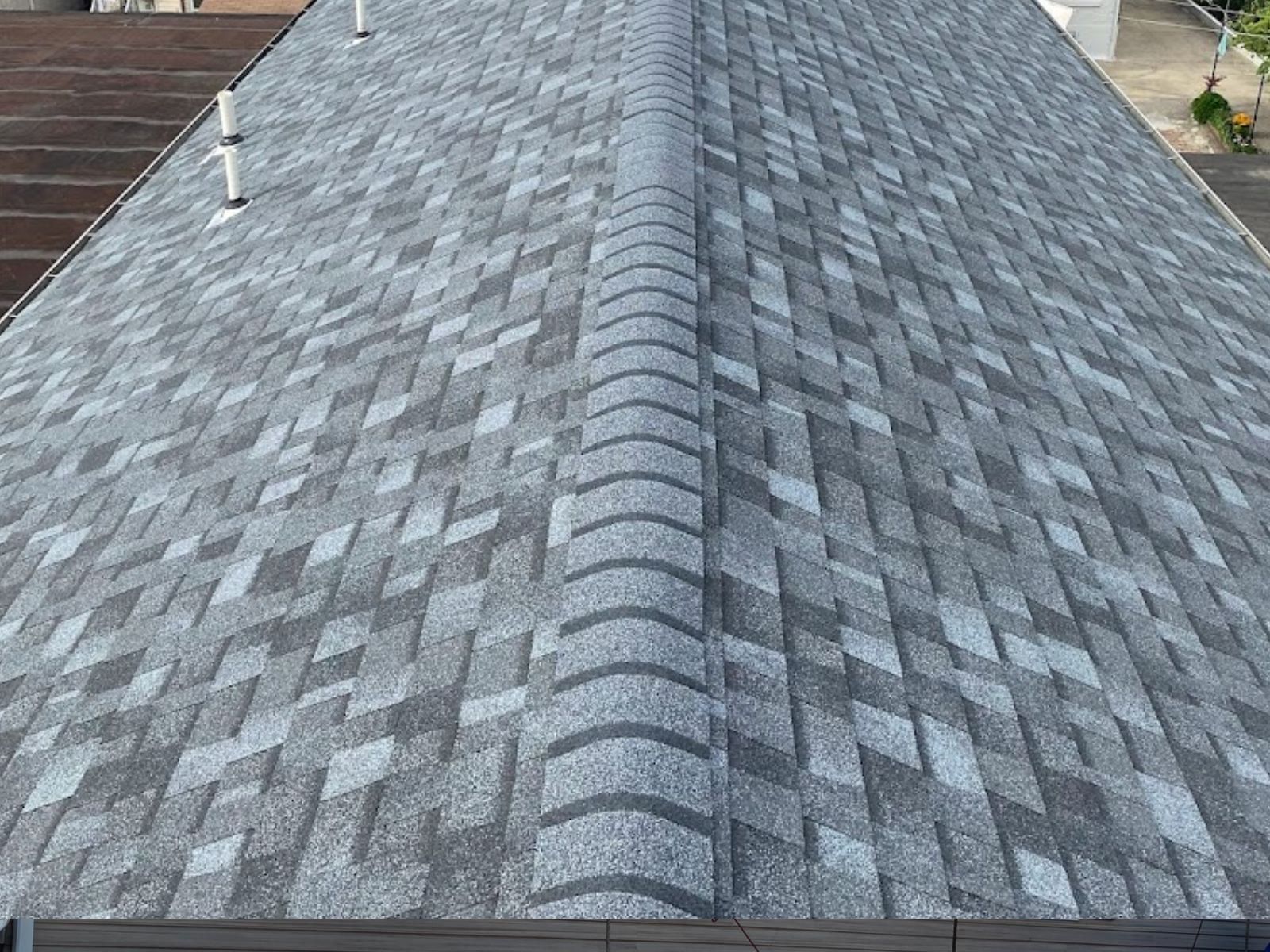
If you live in Hamburg or anywhere in northern Sussex County, a roof inspection in early November is one of the smartest things you can do before winter. Your roof will likely see more snow, longer freezes and more ice than roofs closer to the coast or down in Bergen County, and small problems like a lifted shingle or cracked pipe boot tend to turn into real leaks once ice starts working into them. A good pre-winter inspection looks at shingles, flashing, ventilation, gutters and the roof edges where ice dams form, and it gives you time to fix problems while temperatures still allow proper repairs.
Below is what that inspection should cover, what you can check yourself from the ground, and how to decide whether to repair now or plan a replacement for spring.
Why Hamburg Roofs Need a Closer Look Before Winter
Hamburg sits in the hills of Sussex County, near the Vernon valley and the ski areas, and its winters are noticeably colder and snowier than what most of New Jersey sees. Snow tends to arrive earlier, stay on roofs longer and melt and refreeze more often. That freeze-thaw cycle is hard on roofing materials.
The local housing stock adds its own challenges. The borough has older homes with steep pitches, chimneys and additions built over different decades, alongside split-levels, colonials and townhome communities from more recent years. Older homes often have limited attic ventilation and little or no ice and water shield at the eaves. Newer homes can have complex rooflines with valleys and dormers that collect snow.
Put those together and you get the classic Sussex County winter problem: heat escapes into the attic, melts the snow on the upper roof, and the water refreezes at the cold eaves. That ice dam backs water up under the shingles and into ceilings and walls. You can learn more about our local work on our Hamburg roofing page.
What a Pre-Winter Roof Inspection Should Cover
A thorough inspection is more than a quick look from a ladder. Here is what a qualified roofer should check on a Hamburg home before the first big storm.
Shingles and roof surface
- Missing, cracked, curled or lifted shingles, especially on the windward side of the house
- Shingles that have lost their seal strip bond and can lift in wind, letting snowmelt in
- Heavy granule loss, which signals an aging roof that will handle ice poorly
- Soft or spongy areas that may point to rotted decking underneath
Flashing and penetrations
- Chimney flashing and counterflashing, including cracked mortar or failing caulk
- Step flashing where roofs meet sidewalls, dormers and second-story additions
- Plumbing vent pipe boots, which often crack after 10 to 15 years
- Skylight frames and any exhaust or bathroom vent penetrations
Roof edges and ice dam zones
The eaves are where winter leaks start in Sussex County. Your roofer should check the drip edge, the condition of the first few courses of shingles, and, if possible, whether ice and water shield was installed along the eaves and valleys. If you are not sure what that membrane does, our post on where ice and water shield really matters explains it.
Attic and ventilation
- Signs of moisture, frost or mold on the underside of the roof deck
- Water stains around chimneys, vents and along the eaves
- Blocked soffit vents, often covered by insulation pushed too far into the eaves
- Whether there is enough intake and exhaust ventilation to keep the roof deck cold in winter
Ventilation and insulation are the two biggest factors in preventing ice dams. A warm attic is the engine that creates them.
Gutters and downspouts
By early November, most of Hamburg's leaves are down. Gutters packed with leaves and pine needles hold water that freezes solid, adding weight to the roof edge and giving ice dams a head start. The inspection should confirm gutters are clear, securely fastened and draining away from the foundation.
Warning Signs You Can Check From the Ground
You do not need to climb onto your roof, and in cold or wet weather you should not. Walk around the house with binoculars on a dry afternoon and look for these signs:
- Dark patches or bare spots where shingles are missing or granules have worn off
- Shingle edges that look raised, wavy or flipped up
- Shingle pieces or heavy granules on the ground or in the gutter outlets
- Gutters pulling away from the fascia or sagging between hangers
- Rust, gaps or missing caulk around the chimney
- Peeling paint or stains on the soffits and fascia, which can point to water getting behind the gutters
Inside, check ceilings on the top floor and the attic itself after a heavy rain. Look for brown stains, damp insulation or nails on the underside of the roof with frost or rust on them. Last winter's ice dam leaks often leave faint stains along exterior walls near the eaves.
When to Schedule Your Inspection
In Sussex County, the window for pre-winter work is short. Early to mid-November is ideal. Asphalt shingles need reasonably mild temperatures, generally in the 40s or higher, for their seal strips to bond properly, and sealants and flashing work also hold up better when they are not applied in freezing conditions.
Roofers also get busier as the first storms approach, so booking now gives you more flexibility if repairs are needed. If you wait until there is a leak in January, the fix often has to be a temporary patch until the weather allows a proper repair.
What Repairs Typically Cost
Most problems found in a pre-winter inspection are small and affordable if caught early. Prices vary by roof size, pitch, material, access and the condition of what is underneath, but here are typical ranges New Jersey homeowners can expect:
- Replacing a handful of missing or damaged shingles: roughly $300 to $900
- Replacing a cracked plumbing vent boot: roughly $200 to $500
- Chimney flashing repair or replacement: roughly $500 to $2,000, depending on size and whether masonry work is needed
- Gutter cleaning and minor gutter reattachment: roughly $150 to $500
- Adding or improving attic ventilation: roughly $500 to $2,500, depending on the vent type and roof layout
Compare that to the cost of an ice dam leak that soaks insulation, stains drywall and damages framing, which can easily run into the thousands before the roof itself is touched. For more on stopping ice dams at the source, see our guide on how to prevent ice dams on NJ roofs.
Repair Now or Plan a Replacement for Spring?
Sometimes an inspection shows the roof is near the end of its life. Asphalt shingle roofs in Sussex County often wear faster than the manufacturer's rating suggests because of the harsh winters. If your roof is 20 or more years old, has widespread granule loss, curling shingles or multiple leak points, patching may only buy you a season.
In that case, a sensible plan is to make targeted repairs now so the roof gets through winter safely, then schedule a full replacement in spring. Replacements can be done in cold weather with the right materials and techniques, and most of our replacements are finished in a single day, but some homeowners prefer to wait for milder weather. An honest roofer will tell you which option makes sense for your roof, not just which one costs more.
As a GAF Master Elite® contractor with 20 years of experience across New Jersey, American Roofing Pros documents every inspection with photos so you can see exactly what we see, and you get a written, itemized price for any recommended work. You can read more about how we approach roof inspections on our service page.
A Quick Pre-Winter Checklist for Hamburg Homeowners
- Clean gutters and downspouts after the last leaves fall.
- Scan the roof from the ground for missing, lifted or curled shingles.
- Check the attic for stains, frost, damp insulation or blocked soffit vents.
- Trim branches that hang over the roof or could fall under heavy snow.
- Schedule a professional inspection before temperatures stay below freezing.
- Fix small issues now and plan any larger replacement for spring if needed.
Next Steps
Winter in Hamburg and the rest of Sussex County does not give roofs much of a break, so the best time to find weak spots is before the snow arrives. If you would like a professional to look over your roof, flashing and attic ventilation, call American Roofing Pros at (877) 228-1042 or request a free estimate. We will send you photos of what we find and a clear, itemized price for any work, so you can head into winter with confidence.