Shingles Blew Off Your Roof? What to Do Next in NJ
Lost shingles in a NJ windstorm? Learn what to do first, how to protect your home, what repairs cost, and when wind damage means it's time for a new roof.
ARAmerican Roofing Pros··5 min read
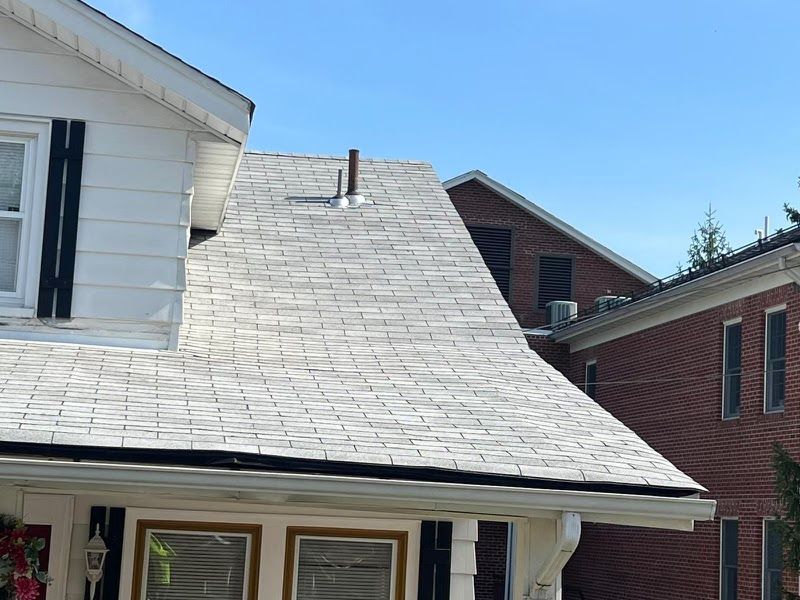
If shingles blew off your roof, stay off the ladder, check your attic and ceilings for water, photograph the damage from the ground, and get the exposed area covered within a day or two. A few missing shingles is usually a quick, affordable repair. Leave it through one or two rainstorms, though, and you may be paying for wet insulation, stained drywall and rotted decking.
Late fall is when we hear about this most in New Jersey. Nor'easters, gusty cold fronts and the leftovers of tropical storms all hit as temperatures drop. Here's what to do, step by step, and how to tell whether you need a simple repair or something bigger.
Step 1: Make Sure Everyone Is Safe
Wind damage often comes with other hazards, so check for them before you look at the roof.
- Downed or sagging wires: Stay far away and call your utility company.
- Large limbs on the roof: Don't try to pull them off. A heavy branch can be carrying load you can't see.
- Water near light fixtures or outlets: Turn off power to that area at the breaker if you can do it safely.
- Wet, slick or steep roofs: Never climb up after a storm. Falls cause far more harm than a missing shingle ever will.
Step 2: Assess the Damage From the Ground and the Attic
You can learn a lot without leaving the ground. Walk around the house with binoculars or your phone's zoom and look for these signs:
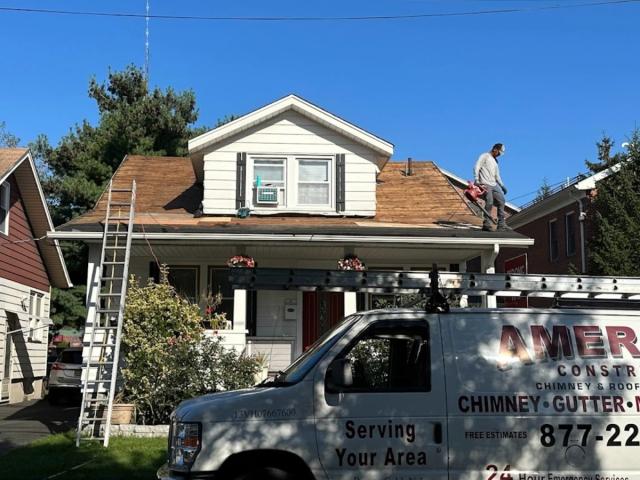
- Bare patches where you can see black felt, gray synthetic underlayment or bare wood
- Shingle pieces in the yard, gutters or driveway
- Shingles that are lifted, creased or folded back but still attached
- Missing or loose ridge caps along the peak, which take the strongest winds
- Bent flashing around the chimney, vents or skylights
Next, go into the attic with a flashlight. Look for daylight coming through the roof deck, damp spots on the plywood, wet insulation, or drips around nails. Then check upstairs ceilings for fresh stains. If the underlayment is still intact, you may have some breathing room. If you can see bare wood from outside, treat it as urgent.
Step 3: Document Everything for Insurance
Even if you're not sure you'll file a claim, take photos and video now. Capture the roof from several angles, any shingles on the ground, interior water damage, and the date. Save receipts for any emergency costs like tarps or water cleanup. Most homeowners policies expect you to take reasonable steps to prevent further damage.
Keep in mind that many New Jersey policies carry a separate wind or named-storm deductible, and older roofs are sometimes paid at actual cash value instead of replacement cost. Our guide to storm damage insurance claims in New Jersey walks through the process, including when to call your insurer and what an adjuster looks for.
Step 4: Get the Exposed Area Covered
Underlayment isn't designed to be your roof's top layer. It can handle a light rain or two, but UV, wind and standing water break it down quickly, and bare decking will soak up water in the next storm.
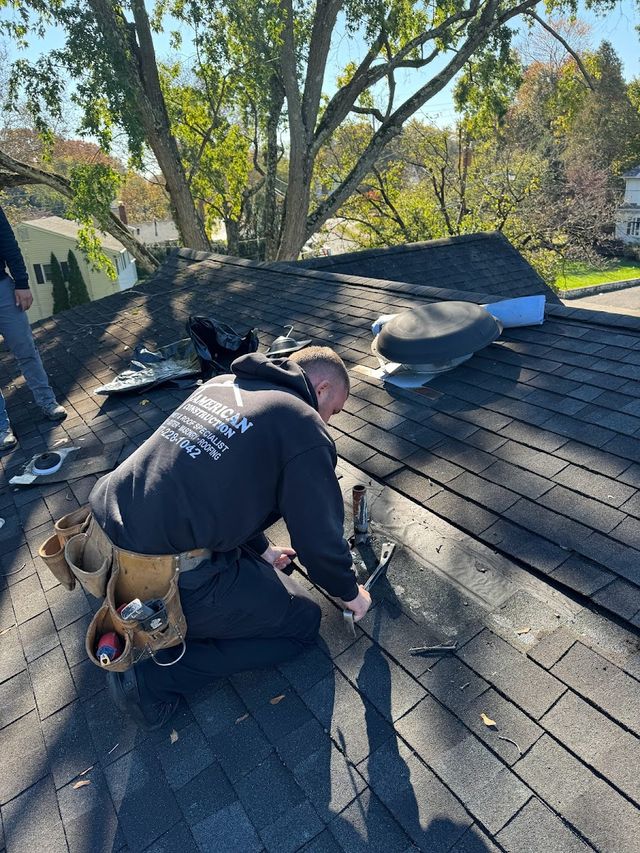
A roofer can install a properly secured tarp or, often, replace the missing shingles on the same visit. A tarp that's just weighed down with bricks usually blows off in the next gust and can damage more shingles on the way. Professional tarping in New Jersey typically runs a few hundred dollars, depending on the size and pitch of the roof, and the cost is often credited toward the repair.
Why Shingles Blow Off in the First Place
A healthy, properly installed shingle roof should ride out most New Jersey windstorms. When shingles come off, there's usually an underlying reason:
- Age: After 15 to 20 years, shingles get brittle and the adhesive strips that bond each course weaken.
- Improper nailing: Nails placed too high, too few nails, or nails driven crooked leave shingles with little holding power.
- Sealant that never bonded: Shingles installed in cold weather need sun and warmth to seal. If they were never hand-sealed, they can lift for years.
- Low wind ratings: Older 3-tab shingles are often rated for around 60 mph. Modern architectural shingles are typically rated for 110 to 130 mph when installed correctly.
- Missing starter strips: The first row at the eaves and rakes is where wind gets under a roof. Without proper starter shingles, edges peel back.
Knowing the cause matters. If it was one weak spot, a repair solves it. If the whole roof was nailed poorly or has aged out, more shingles will follow.
Repair or Replace After Wind Damage?
In many cases, a roof repair is all you need. Replacing a handful of shingles and resealing the surrounding area commonly costs around $250 to $750, and larger sections can run $750 to $1,500 or more. Prices vary by roof size, pitch, access, materials and whether any decking needs replacing.
A repair usually makes sense when:
- The roof is under about 12 to 15 years old
- Damage is limited to one slope or one area
- Surrounding shingles are still flexible and well sealed
- Matching shingles are available or the color difference is acceptable
Replacement is worth considering when:
- The roof is 18 to 20+ years old and this isn't the first blow-off
- Shingles crack or break when a roofer tries to lift them for repair
- Damage is spread across several slopes
- Your insurer approves a full replacement after an inspection
Matching can be tricky. Shingle lines get discontinued and older roofs fade, so a patch on a 15-year-old roof may stand out. An honest roofer will show you photos and tell you whether a repair will hold or whether you're throwing money at a roof that's near the end of its life.
Fall and Winter Repairs: What to Expect
Wind repairs can be done safely in cold weather, but a few details change. Shingle sealant strips need warmth and sunlight to activate, so on cool days a good crew will hand-seal new shingles with roofing cement so they don't lift in the next storm. Crews also avoid working on frosty or icy roofs, so a morning appointment may shift to midday.
Since nor'easter season is just getting started, it's smart to have the rest of the roof checked while someone is up there. Loose ridge caps, lifted edges and tired flashing are easier to fix now than after the next big blow. Our nor'easter roof prep guide covers what to look at before winter storms arrive.
Next Steps
If you've lost shingles, don't wait for the next rain to find out how bad it is. American Roofing Pros has handled wind and storm damage repair for New Jersey homeowners for 20 years. As a GAF Master Elite® contractor, we'll inspect the whole roof, send you photos of what we find, and give you a written, itemized price, whether that's a quick repair or a tarp until the full fix.
Call us at (877) 228-1042 or request a free estimate and we'll help you get your roof secure before winter sets in.