Can You Repair a Roof in Winter in NJ? What to Expect
Yes, most roof repairs can be done in a New Jersey winter. Learn what works in cold weather, what should wait for spring, and how to keep a small leak small.
ARAmerican Roofing Pros··5 min read
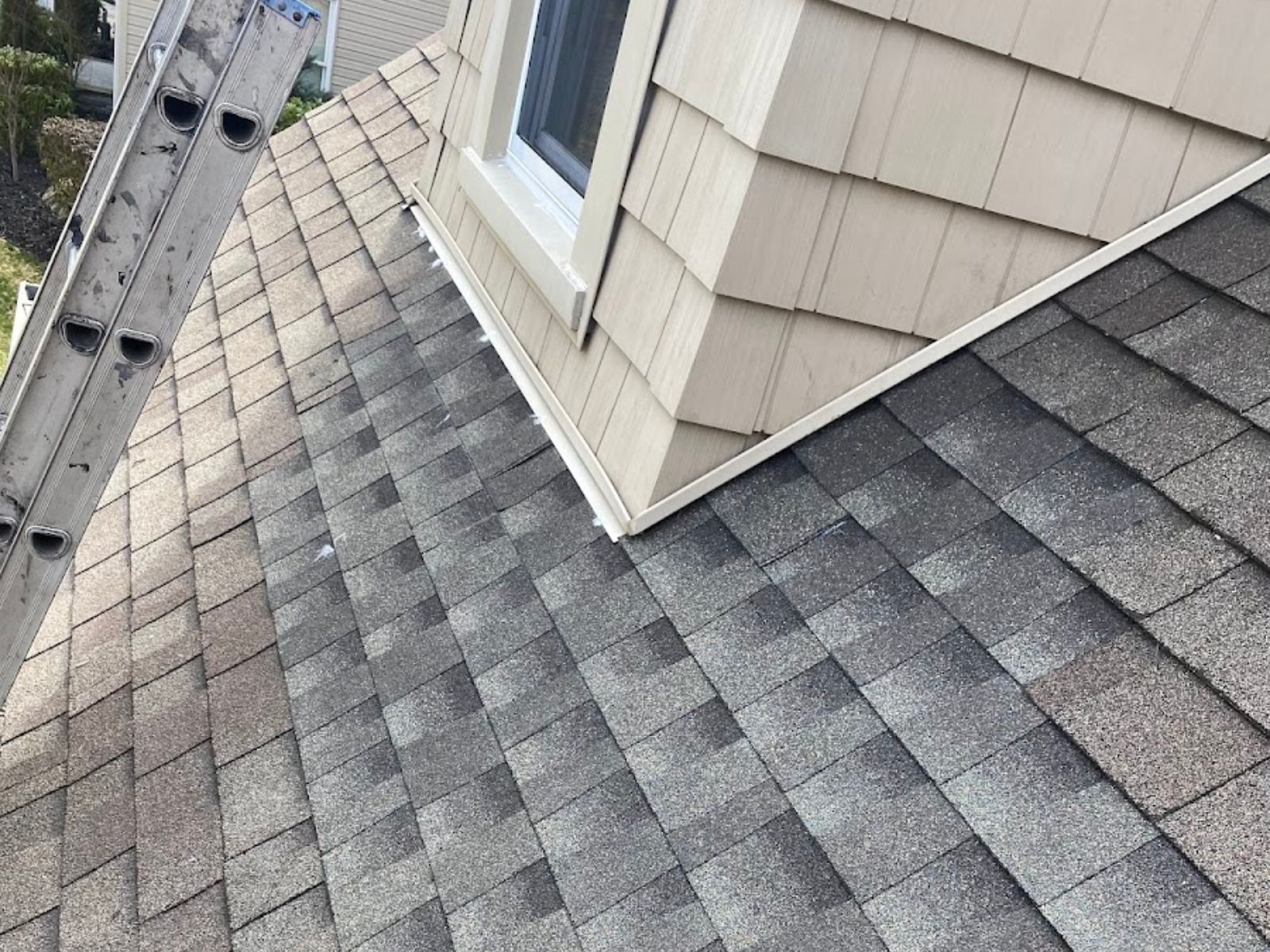
Yes, you can repair a roof in winter in New Jersey, and in many cases you should. Most common repairs, such as replacing a few missing shingles, fixing flashing, swapping a cracked pipe boot or sealing around a chimney, can be done safely on a dry day when temperatures are above freezing. The main limits are ice, snow and how cold the shingles are, not the calendar.
Below we explain what a roofer can fix in cold weather, what is better left for spring, and how to get a leak handled before a January storm turns a small problem into a ceiling repair.
Why Winter Roof Repairs Are Different
Asphalt shingles behave differently in the cold. Above roughly 70°F they are flexible and their factory sealant strips bond on their own in the sun. In the 30s and low 40s, shingles get stiff and the sealant strips may not activate until the weather warms up in spring.
That changes how the work is done, not whether it can be done. An experienced roofer adjusts the technique so the repair holds through the winter.
- Brittle shingles: Cold shingles can crack if they are bent back too far. Roofers lift tabs slowly and carefully, sometimes warming them first, to remove nails without damaging the surrounding shingles.
- Sealant that won't self-activate: New shingles are hand-sealed with dabs of roofing cement so they stay down in wind instead of waiting for summer heat.
- Short daylight: In December and January there are only about nine hours of usable light, so crews plan repairs for the warmest midday window.
- Materials stored warm: Shingles, sealants and adhesives work better when kept in a warm truck or garage until they go on the roof.
Repairs That Can Usually Be Done in Winter
On a clear, dry day in the mid-30s or warmer, most targeted repairs are fair game. These are also the problems most likely to cause leaks once snow starts melting and refreezing on your roof.
- Replacing a handful of missing, torn or lifted shingles after a wind event
- Resealing or replacing step flashing and counter flashing around chimneys and walls
- Replacing cracked rubber pipe boots around plumbing vents
- Fixing loose or damaged ridge caps and ridge vents
- Re-securing drip edge and loose metal trim
- Sealing exposed nail heads and small gaps around skylights and roof vents
- Emergency tarping when there is active water coming in and a permanent fix has to wait
If you have a leak right now, a professional roof repair in December is almost always cheaper than waiting until March. Water that gets in during a freeze-thaw cycle soaks insulation, stains drywall and can start to rot roof decking over a few months.
What Is Better to Wait for Warmer Weather
Some jobs are possible in winter but come out better when it's warmer. A good roofer will tell you honestly which category your roof falls into.
- Large section replacements: Re-shingling a big slope or a whole side of the roof involves many shingles that all need to seal. It can be done with hand-sealing, but mild weather gives a cleaner result.
- Low-slope and flat roof membranes: Some adhesives and coatings have minimum application temperatures, often around 40°F to 50°F, so these repairs depend on the forecast.
- Cosmetic work: Matching faded shingles or fixing a small area that isn't leaking can wait until spring.
Full replacements are a separate question. Many can still be done in a New Jersey winter with the right precautions, and we cover the details in How Cold Is Too Cold for a Roof Replacement in NJ?
When It's Not Safe to Work on the Roof
Temperature isn't the only factor. Roofers won't climb onto a roof covered in ice or wet snow, and you shouldn't either. A frosted shingle surface is extremely slick, even on a moderate pitch.
Work typically gets postponed when there is:
- Ice or snow covering the area that needs repair
- Morning frost that hasn't burned off yet
- Sustained winds strong enough to make ladders and handling shingles unsafe
- Rain, sleet or freezing drizzle in the forecast for the work window
In those situations the right move is often a temporary fix from inside the attic, such as catching drips and moving belongings, followed by a permanent repair on the next clear day. In a typical New Jersey winter, dry days in the upper 30s and 40s come along regularly, so most homeowners don't wait long.
Does Winter Roof Repair Cost More in NJ?
For a scheduled repair, usually not by much. Winter can actually be a slower season for roofing crews, which sometimes means faster scheduling. Small repairs like a few shingles or a pipe boot often fall in the few-hundred-dollar range, while flashing and chimney work commonly run higher. Prices vary with roof pitch, height, access, materials and what the roofer finds once the shingles are lifted.
Where winter can cost more is emergency work: same-day tarping during a storm, after-hours calls, or repairs that are bigger because water was left to spread for weeks. For typical price ranges, see How Much Does Roof Repair Cost in NJ?
How to Get Ahead of Winter Roof Problems
Late November and early December are a smart time to deal with anything you've been putting off. The ground is usually still clear, temperatures are often workable, and the worst of the snow and ice is still ahead.
- Look at your roof from the ground with binoculars for missing shingles, lifted edges or damaged flashing.
- Check the attic on a sunny afternoon for daylight, wet insulation, frost on nails or water stains on the decking.
- Clear leaves from gutters and downspouts so meltwater can drain instead of backing up under shingles.
- Watch ceilings near exterior walls and chimneys after the first heavy rain or snowmelt.
- Call a roofer at the first sign of a drip rather than waiting to see if it gets worse.
As a GAF Master Elite® contractor, American Roofing Pros does repair work year-round across New Jersey and uses cold-weather techniques, like hand-sealing and careful shingle handling, so repairs hold up until spring and beyond.
Next Steps
If you've noticed a leak, missing shingles or loose flashing, don't wait for spring. A small winter repair today can prevent soaked insulation, stained ceilings and rotted decking by March.
Call American Roofing Pros at (877) 228-1042 or request a free estimate. We'll inspect the problem, send you photos of what we find, and give you a written, itemized price before any work begins.