How Cold Is Too Cold for a Roof Replacement in NJ?
Can you replace a roof in November or January in New Jersey? Learn the temperatures that matter, how pros adapt, and when it's smarter to wait for warmer days.
ARAmerican Roofing Pros··6 min read
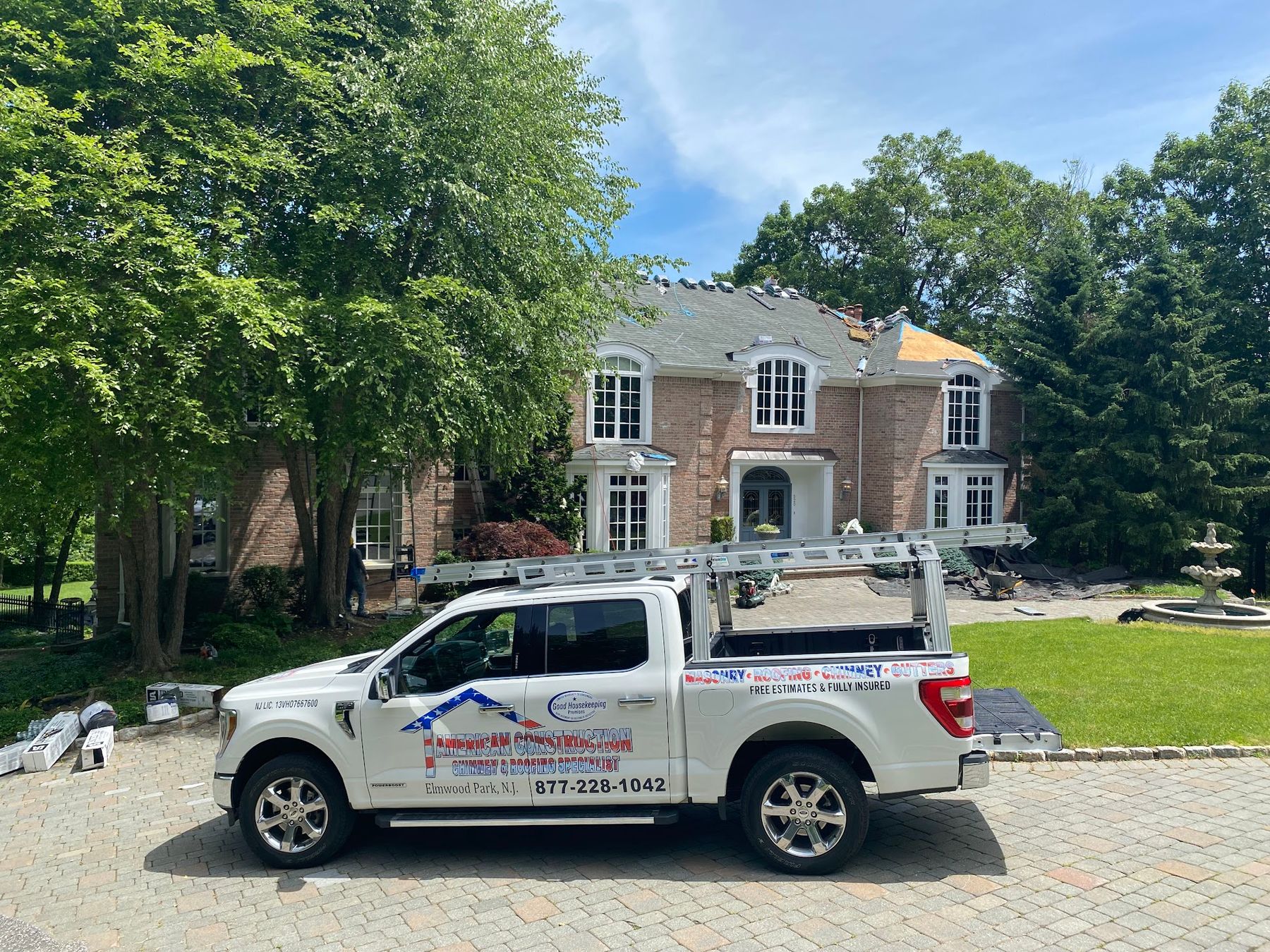
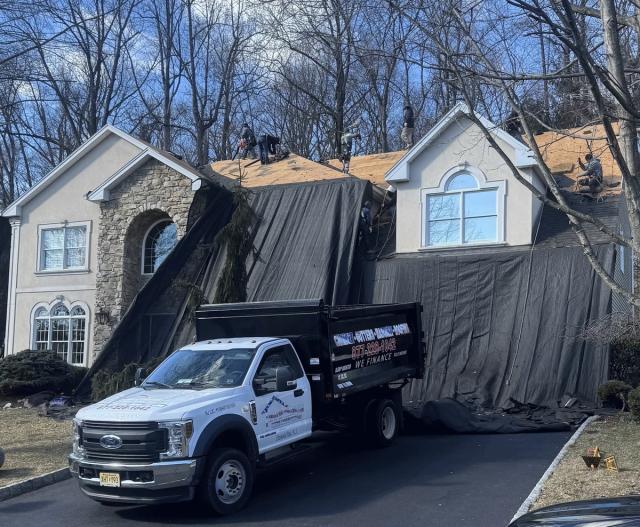
Asphalt shingle roofs can be replaced safely in New Jersey through most of late fall and winter. The practical cutoff for most crews is around 40°F. Below that, shingles get brittle, adhesives grab less reliably and the job needs extra steps to be done right. A good installer doesn't stop working when November arrives. They adjust how they work and pick the right days.
Here's what actually changes when the temperature drops, what a careful crew does differently, and when waiting a few weeks is the smarter move.
Why Temperature Matters for Shingles
Asphalt shingles are flexible on a warm day and stiff on a cold one. That one fact drives almost every cold-weather concern on a roof replacement.
The self-seal strip needs heat
Every modern shingle has a strip of asphalt adhesive along its face. Once installed, the sun warms that strip and bonds each shingle to the one below it. That bond is what keeps shingles flat in high wind.
On a sunny summer day, sealing happens within hours. In November and December, it can take days or weeks of sunny afternoons. Some shingles on shaded north slopes may not fully seal until spring. Until they do, they rely on their nails alone, which leaves them more exposed to a strong nor'easter gust.
Cold shingles crack more easily
Below roughly 40°F, shingles can crack when they're bent around a ridge, folded into a valley or handled roughly. Ridge cap shingles are especially sensitive because they're bent sharply over the peak.
Nailing gets trickier
Pneumatic nail guns are set for a certain air pressure. When shingles are stiff and the air is cold, it's easier to overdrive or underdrive nails. An overdriven nail cuts into the shingle and weakens its hold. Experienced crews check and adjust pressure through the day as temperatures change.
What New Jersey's Late-Fall and Winter Weather Looks Like
New Jersey has more workable roofing days in the cold months than many homeowners expect. Typical daytime highs look roughly like this:
- November: low to mid 50s across most of the state, often warmer on sunny afternoons
- December: low to mid 40s, with plenty of days in the upper 40s
- January and February: upper 30s to low 40s, colder in Sussex, Warren and Morris counties
- South Jersey and the shore: usually a few degrees milder than the northern counties
Even in January, it's common to get stretches of dry days in the 40s. Frozen decks, snow, ice and strong wind cause more delays than temperature alone.
How a Good Crew Adapts in Cold Weather
A cold-weather roof replacement should end up just as solid as a summer one. It just takes more care. Here's what we expect from any professional crew working between November and March:
- Waiting out the frost. Morning frost or dew on the roof deck is a slip hazard and keeps underlayment from bonding. Crews often start tear-off a little later and let the sun burn it off.
- Keeping materials warm. Shingle bundles stored in a heated garage or kept off frozen ground stay more flexible. Some crews rotate bundles so they aren't working with the coldest ones.
- Hand-sealing shingles. In cold weather, installers can add dabs of asphalt roofing cement under shingle tabs, especially at eaves, rakes and ridges, so they don't depend on the sun to seal.
- Gentle handling of ridge caps. Warming cap shingles before bending them over the peak helps prevent cracking.
- Checking nail gun pressure. Adjusting through the day keeps nails flush, not overdriven.
- Watching underlayment temperature ratings. Self-adhered membranes have minimum application temperatures listed by the manufacturer. Cold-weather versions exist for winter work.
That last point matters a lot in New Jersey. Ice and water shield along the eaves and in valleys is your main defense against ice dams, and it has to stick properly to the deck. If you want to know where it belongs on your roof, see our guide to where your NJ roof really needs ice and water shield.
Can a Winter Roof Still Be Done in One Day?
In many cases, yes. Most of our roof replacements are finished in a single day, and that's often still true in November and December. The difference is that daylight is shorter. In early December, sunset in New Jersey comes before 4:40 p.m., which leaves roughly nine and a half hours of usable light.
To make that work, a crew may bring extra hands, stage materials the day before and plan tear-off one section at a time so the house is never left open. Larger or steeper roofs, or homes that need significant decking replacement, are more likely to stretch into a second day in winter. A good contractor will tell you that up front.
When It Makes Sense to Wait
Cold alone is rarely a reason to put off a roof you need. But a few situations call for patience:
- A long cold snap. If the forecast shows a week of highs in the 20s and 30s, it's usually better to wait for a break.
- Snow or ice on the roof. Crews shouldn't tear off a roof that's covered in snow or install over a wet or icy deck.
- High winds. Gusty days are unsafe for crews and hard on unsealed shingles.
- The roof is aging but not leaking. If your roof still has a season left, spring scheduling can work just as well. We cover timing in more detail in the best time of year to replace your roof in New Jersey.
When You Shouldn't Wait for Spring
On the other hand, some roofs shouldn't be pushed through another New Jersey winter. Freeze-thaw cycles, ice dams and heavy wet snow are hard on a roof that's already struggling. Consider replacing now if you have:
- Active leaks, water stains on ceilings or wet insulation in the attic
- Curling, cracked or missing shingles across large areas
- Soft or spongy spots when walking the roof, or visible sagging
- A history of ice dams that keep coming back
- A roof that's 20 years old or more with granules piling up in the gutters
If a full replacement truly has to wait, a targeted roof repair can stop a leak and get you through the season. Just make sure the patch is a real repair and not a temporary tarp left on for months.
Advantages of Scheduling Off-Season
There are real upsides to booking a roof replacement in late fall or winter. Roofing schedules are usually tighter in spring and summer, so cold-weather jobs often get on the calendar faster. You also get your new roof in place before the worst of the snow and ice arrives, rather than hoping the old one holds.
Ask about pricing, too. Material costs don't drop much in winter, but you'll get a clearer picture by comparing written, itemized estimates. Learn more about what's included in a full roof replacement before you decide.
Questions to Ask a Contractor About Winter Work
Before you sign for a cold-weather job, ask:
- What's your minimum temperature for installing shingles and underlayment?
- Do you hand-seal shingles in cold weather, and where?
- How do you protect the house if weather changes mid-job?
- Will this be a one-day job, or should I plan for two?
- Does cold-weather installation affect my manufacturer warranty?
A contractor who answers these clearly and specifically is one who plans for winter rather than just working through it. As a GAF Master Elite® contractor, American Roofing Pros follows manufacturer installation guidelines in every season, including the extra steps cold weather calls for.
Next Steps
If you're wondering whether your roof can make it through this winter or should be replaced now, we can take a look. We'll inspect it, show you photos of what we find and give you a written, itemized price, with no pressure either way.
Call American Roofing Pros at (877) 228-1042 or request your free estimate to get on the schedule before the next cold snap.