Why Is My Roof Leaking Around the Vent Pipe? NJ Guide
Most leaks around a roof vent pipe come from a cracked rubber boot. Learn the signs, fixes, typical NJ costs and why caulk alone rarely solves the problem.
ARAmerican Roofing Pros··6 min read
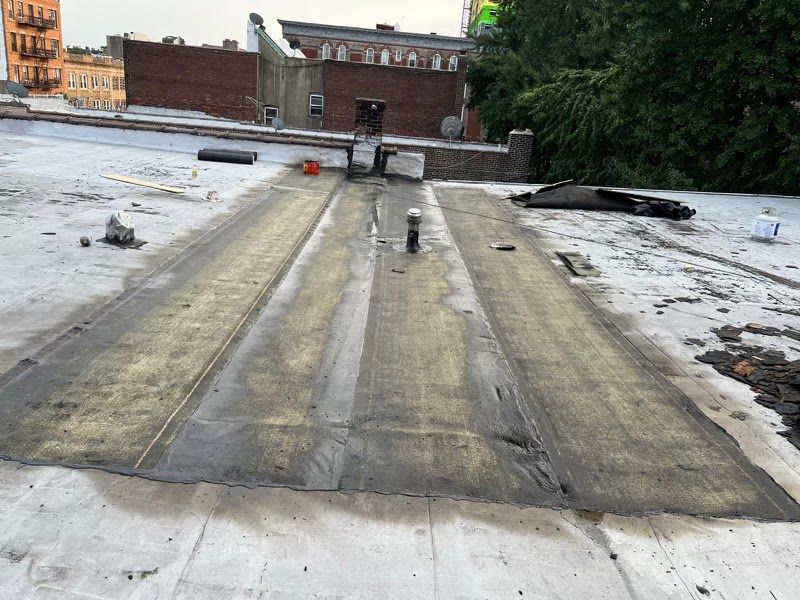
If your roof is leaking around a plumbing vent pipe, the most likely culprit is a cracked or dried-out rubber pipe boot, the flexible collar that seals the gap between the pipe and your shingles. On most New Jersey homes that rubber wears out years before the shingles do. The good news is that it's usually a quick, affordable repair once you confirm that's really the cause.
Below, we'll walk through how vent pipe leaks happen, how to tell them apart from winter condensation, what a proper fix looks like and what it typically costs in NJ.
What a Vent Pipe Boot Does and Why It Fails
Every bathroom and kitchen drain in your house connects to a vent stack that pokes up through the roof, usually a 1.5 to 4 inch plastic or cast iron pipe. Where that pipe passes through the roof deck, a pipe boot (also called a pipe jack or vent flashing) keeps water out. The standard boot has a flat metal or plastic base that slides under the shingles above it and a rubber collar that hugs the pipe.
The weak point is that rubber collar. Years of sun, summer heat on dark shingles and freeze-thaw cycles make it shrink, harden and crack. Once it splits, rain runs straight down the outside of the pipe and into your attic.
Typical reasons pipe boots leak on NJ roofs include:
- Cracked or shrunken rubber collar, often after roughly 8 to 12 years, while architectural shingles can last 20 to 30.
- Squirrel damage. Squirrels chew rubber collars and soft lead boots, a common problem in leafy North Jersey neighborhoods.
- Popped or exposed nails at the top of the boot base that let water in around the nail holes.
- Incorrect installation, such as the base sitting on top of the upslope shingles instead of tucked under them.
- Cracked plastic base, which can happen with cheaper boots after a few hard winters.
- Old caulk patches that have pulled away and now trap water instead of shedding it.
Signs the Leak Is Coming From the Vent Pipe
Vent pipe leaks tend to show up in predictable places because the stacks sit above bathrooms and kitchens. Look for:
- A water stain on the ceiling directly over or near a bathroom, often a few feet from the wall where the plumbing runs.
- Water stains or dark wood on the roof deck around the pipe when you look from the attic with a flashlight.
- Damp or matted insulation in a ring around the vent stack.
- Drips that start during or right after steady rain and stop when it dries out.
- From the ground (binoculars help), a collar that looks gray, split or torn, or shingles around the pipe that are lifted.
Don't climb onto the roof yourself, especially this time of year. Wet leaves, frost and steep pitches make November roofs slippery, and a roofer can photograph the boot up close safely.
Is It Actually Condensation? A Common Winter Mix-Up
Here's a twist that catches a lot of NJ homeowners once the cold sets in. Warm, moist air rises through the vent stack, and when the pipe passes through a cold attic, that moisture can condense or even frost on the outside of the pipe. On a mild day it melts and drips onto the ceiling, which looks exactly like a roof leak.
A few clues point to condensation rather than a failed boot:
- The drip appears on cold, dry days or when temperatures swing above freezing, not just during rain.
- You see frost or beads of water along the pipe itself in the attic, well below the roof deck.
- The roof deck right around the pipe is dry.
Wrapping the pipe in the attic with foam pipe insulation often solves it, along with making sure bathroom fans vent outside rather than into the attic. For more detail on telling the two apart, see our guide on attic condensation vs. a roof leak.
How Roofers Fix a Leaking Pipe Boot
There are a few ways to handle a vent pipe leak, and the right one depends on what's failed and how old the rest of the roof is.
Full boot replacement (the proper fix)
In most cases the best repair is replacing the entire boot. A roofer will:
- Carefully lift the shingles above and beside the pipe without breaking them.
- Remove the nails and pull out the old boot.
- Check the decking around the pipe for soft or rotted wood.
- Slide the new boot over the pipe with the base tucked under the upslope shingles and over the downslope shingles.
- Nail the base where the nails will be covered, then seal and re-secure the surrounding shingles.
Rubber collar replacement
If the metal base is still solid, a replacement collar that slips over the existing boot can be a reasonable short-term fix. It's quicker and cheaper but leaves the old base and nails in place, so it's best suited to a roof that's close to replacement anyway.
Why caulk alone isn't a fix
Smearing roofing sealant around a cracked collar might stop the drip for a season. But sealant shrinks and cracks with the same temperature swings that ruined the rubber, and it can trap water under the patch. We see a lot of these caulk jobs fail within a year or two.
What a Vent Pipe Repair Costs in New Jersey
For a typical single-family home, replacing one pipe boot usually runs about $200 to $450. Replacing several boots in the same visit often costs less per pipe, roughly $125 to $250 for each additional one. Upgraded boots, like lead, copper or heavy-duty silicone models, add to the price.
Costs go up if the roof is steep or three stories high, if the decking around the pipe has rotted and needs a section of new plywood, or if interior drywall and insulation need repair. Prices vary by roof size, pitch, material and condition, so treat these as ballpark ranges. Our roof repair cost guide covers other common repairs too.
Should You Wait Until Spring?
Not if water is getting in. A small vent leak can soak insulation, stain ceilings and rot the deck over a single wet winter. Pipe boots can be replaced in cold weather; the main difference is that self-seal strips on shingles don't bond well below about 40°F, so a good roofer will hand-seal the shingles they lift to keep them from blowing up before spring.
If your roof is already 18 to 25 years old and the boots are failing alongside curling or granule-bare shingles, it may make more sense to price a full roof replacement rather than keep patching. A new roof should always include new pipe boots, not reused ones.
Ways to Make Your Next Pipe Boot Last Longer
- Ask about premium boots with UV-resistant silicone or EPDM collars, or a lead or copper boot for the longest life.
- If squirrels are active, consider a metal boot or a protective cap over the collar.
- Have the boots checked every few years, since they often fail before the shingles.
- Insulate vent pipes in the attic to reduce winter condensation.
As a GAF Master Elite® contractor, American Roofing Pros checks every pipe boot, flashing detail and vent during an inspection, because these small parts cause a large share of the leaks we see.
Next Steps
If you've spotted a ceiling stain near a bathroom or water around a vent stack in your attic, have it looked at before winter storms make it worse. We'll photograph the boot and surrounding shingles, tell you whether it's a leak or condensation, and give you a written, itemized price for the repair.
Call American Roofing Pros at (877) 228-1042 or request a free estimate. You can also learn more about our roof repair services across New Jersey.