How Old Is My Roof? How to Find Out in New Jersey
Not sure how old your roof is? Here's how NJ homeowners can find out using permits, paperwork, attic clues and shingle condition, plus what the age means.
ARAmerican Roofing Pros··6 min read
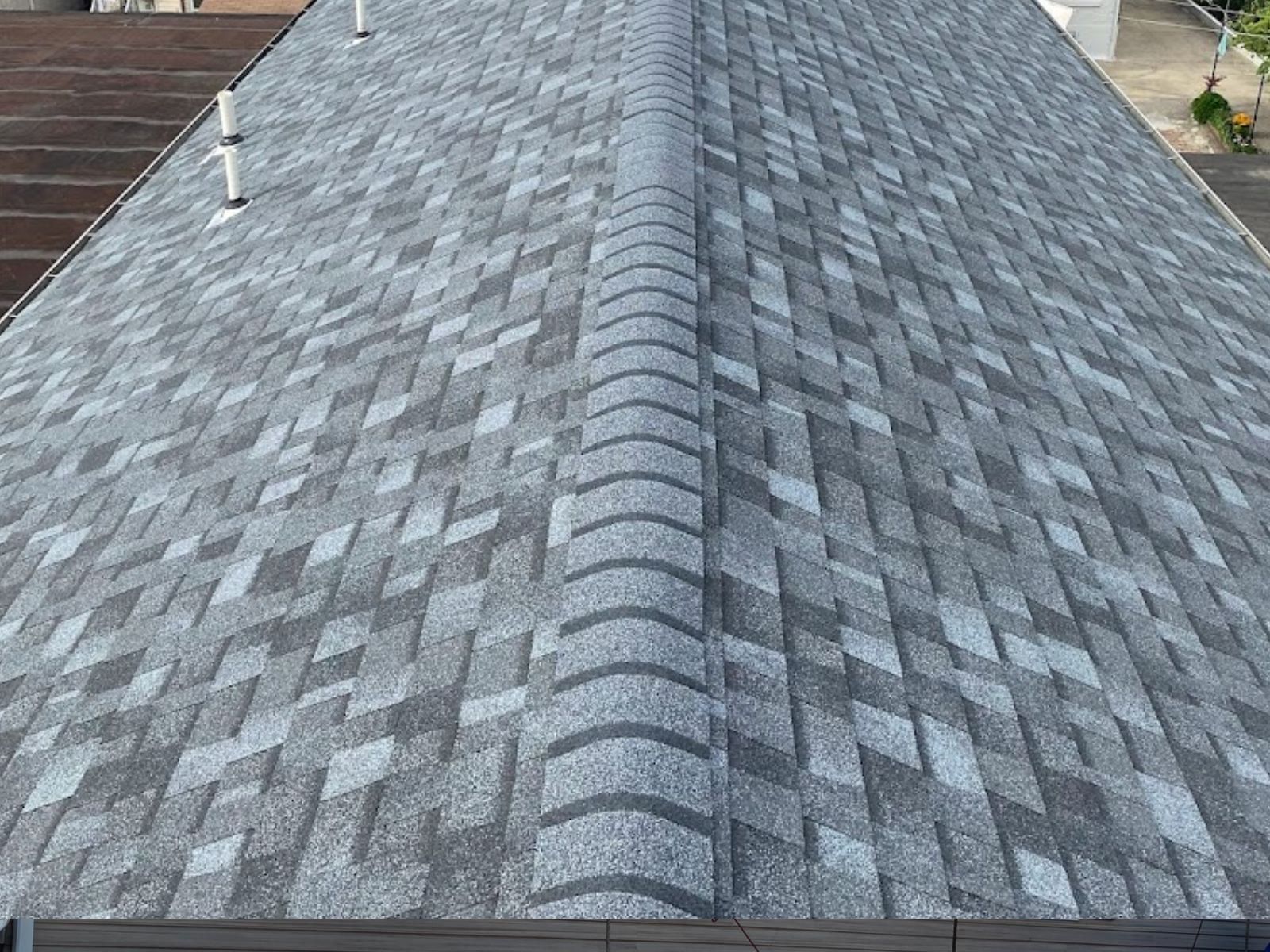
The fastest way to find out how old your roof is: check your town's construction office for a roofing permit, then look through your closing documents, seller's disclosure and home inspection report. If the paper trail comes up empty, a roofer can usually estimate the age within a five-year range by looking at the shingle type, granule loss, the number of layers and what's going on in the attic.
Knowing your roof's age matters more than most homeowners realize. It affects your insurance coverage, your home's resale value and how much time you have to plan and budget for a replacement. Here's how to track it down, step by step.
Start With the Paperwork You Already Have
If you bought your home in the last decade or two, there's a good chance the answer is sitting in a folder somewhere. Pull out your closing packet and look for these documents:
- Seller's disclosure statement. New Jersey sellers are typically asked about the roof's age and any known leaks or repairs. The answer may be approximate, but it's a starting point.
- Home inspection report. Most inspectors note an estimated roof age or remaining life, along with photos.
- Appraisal report. Appraisers sometimes comment on the roof's condition or note recent updates.
- Old listing description. Real estate listings love to advertise a "new roof" and often mention the year it was done.
If you've owned the home for a while and had the roof replaced yourself, check for a contract, invoice or warranty paperwork from the contractor. Even a credit card or bank statement showing a large payment to a roofing company can confirm the year.
Check Permit Records at Your Town's Construction Office
Full roof replacements in New Jersey generally require a permit through the local construction office under the state's Uniform Construction Code. If a permit was pulled, the town should have a record showing the date, the contractor's name and whether the job passed final inspection.
Many towns will look this up if you call or stop by. Others ask you to submit a records request under the Open Public Records Act (OPRA), which usually takes a few business days. Have your street address and block and lot number handy. Our post on roof replacement permits in NJ explains how the process works.
Keep in mind that a missing permit doesn't always mean the roof is original. Some jobs were done without permits, and older records may not be digitized. If the search comes up empty, move on to the next clues.
Look for Clues From the Original Installer
Roofers and manufacturers leave behind more evidence than you might expect. A few places to look:
- Leftover shingle bundles. Check the garage, basement or attic for spare bundles. The wrapper shows the manufacturer and product line, and some include a production code that the manufacturer can help interpret.
- Warranty registration. If your roof was installed by a certified contractor, the warranty may have been registered with the manufacturer. GAF, for example, can look up registered warranties by property address.
- Contractor stickers. Some roofers leave a label on the electrical panel, inside the attic hatch or near the water heater with their name and the installation date.
- Neighbors. In developments built at the same time, many homes get reroofed within a few years of each other. Long-time neighbors often remember when trucks and dumpsters were in your driveway.
Another useful trick: look up your address on Google Street View and use the historical imagery feature. You can often scroll back through photos from different years and spot when the roof color or shingle style changed.
What the Roof Itself Can Tell You
When there's no paperwork, the roof's condition becomes the best evidence. These are the signs an experienced roofer looks at, and several of them you can check from the ground with binoculars.
Shingle style
Flat, uniform 3-tab shingles were the standard for decades, but most New Jersey replacements over roughly the last 15 to 20 years have used thicker, dimensional architectural shingles. If you have 3-tab shingles, there's a fair chance the roof is on the older side. Our comparison of architectural vs 3-tab shingles shows how to tell them apart.
Wear and aging signs
- Granules collecting in gutters or at downspout outlets
- Bare or shiny patches where granules have worn away
- Shingle edges curling up or corners cupping
- Cracked or brittle tabs, especially on the south- and west-facing slopes that take the most sun
- Moss, lichen or heavy dark streaking
- Missing shingles after ordinary storms
Layers and the attic
Look at the edge of the roof near a gutter. If you see two distinct rows of shingle edges stacked on top of each other, the roof has two layers, which means the top layer was installed over an older one. Inside the attic, water stains on the sheathing, darkened plywood, rusty nail tips and daylight around penetrations all point to an aging roof system.
A Rough Guide to Age by Condition
Every roof ages differently depending on ventilation, sun exposure, tree cover and installation quality, but here is a general picture for asphalt shingles in New Jersey:
- 0 to 10 years: Shingles lie flat, colors are even, granule loss is minimal and sealant strips are holding.
- 10 to 15 years: Some granules in the gutters, slight fading, maybe a few lifted shingles after windstorms.
- 15 to 20 years: Noticeable granule loss, curling edges, more frequent repairs. 3-tab roofs are often near the end of their life here.
- 20+ years: Brittle shingles, bald spots, leaks and widespread curling. Most architectural shingle roofs in our climate are due for replacement somewhere in the 20 to 25 year range.
For more on lifespan by material, see how long a roof lasts in New Jersey.
Why Your Roof's Age Matters
Your roof's age isn't just trivia. It comes up in a few situations where an accurate answer can save you real money:
- Homeowners insurance. Some insurers ask for the roof's age at renewal, and older roofs may be covered at actual cash value instead of replacement cost. That difference can mean thousands of dollars after a storm claim.
- Selling your home. Buyers and their inspectors will ask. A documented roof age builds trust, while an unknown one invites lower offers. Our post on replacing your roof before selling covers this in detail.
- Budgeting. A replacement on a typical NJ single-family home often runs from about $10,000 to $25,000 or more, depending on roof size, pitch, material and the condition of the decking. Knowing you have five years left versus one gives you time to plan.
- Winter readiness. With freeze-thaw cycles, ice dams and nor'easters ahead, an older roof is far more likely to start leaking between December and March.
When to Get a Professional Opinion
If you can't find records and the roof shows several of the aging signs above, a professional roof inspection is the most reliable way to get an answer. A roofer can walk the roof safely, check the flashing, count layers, inspect the attic and give you an honest estimate of age and remaining life.
At American Roofing Pros, we document every inspection with photos so you can see exactly what we see. As a GAF Master Elite® contractor with 20 years of experience on New Jersey homes, we'll tell you plainly whether your roof has years left, needs a repair or is due for replacement. Late November is a smart time to check, before snow and ice make problems harder to spot and fix.
Next Steps
Start with your closing documents and a quick call to your town's construction office. If that doesn't settle it, or if you're seeing granule loss, curling or attic stains, let us take a look before winter sets in.
Call American Roofing Pros at (877) 228-1042 or request your free estimate. You'll get photos of your roof and a written, itemized assessment, with no pressure and no guesswork.