How to Compare Roof Replacement Estimates in NJ
Got several roofing bids that don't match? Learn how NJ homeowners can compare roof replacement estimates line by line and spot what a low price leaves out.
ARAmerican Roofing Pros··5 min read
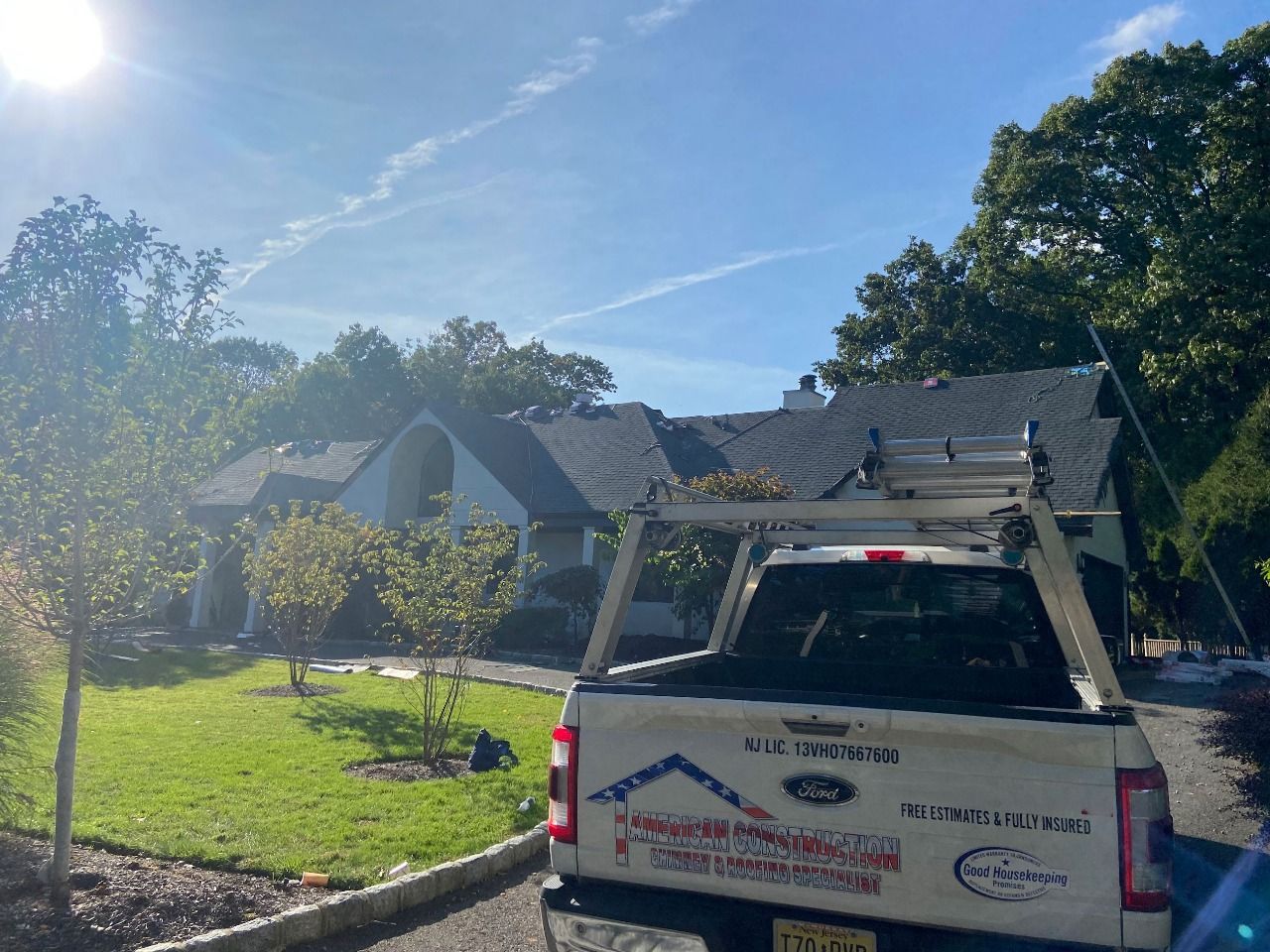
To compare roof replacement estimates in New Jersey, put every bid on the same scope: same tear-off, same underlayment, same flashing and ventilation work, same shingle line, and the same rules for replacing rotted decking. Once the scopes match, the price differences usually make sense. If one estimate is far cheaper, it is almost always missing something, not hiding a bargain.
Late fall is when many NJ homeowners collect bids so they can get a new roof on before the worst of winter. This guide walks through each line you should see on a written estimate, what questions to ask, and the red flags that mean a bid isn't really comparable.
Why Roofing Estimates Vary So Much
It is common to get three bids on the same house that are thousands of dollars apart. That doesn't automatically mean someone is overcharging. Contractors often price different scopes without saying so: one includes new flashing, another reuses the old metal; one includes ice and water shield in the valleys, another only at the eaves.
Price also depends on roof size, pitch, number of layers being removed, access, material choice and the condition of the wood underneath. For typical price ranges and what drives them, see our 2026 NJ roof replacement cost guide. The goal here is different: making sure you are comparing apples to apples.
Start With the Basics: Measurements and Squares
Roofers price by the "square," which equals 100 square feet of roof surface. Every estimate should state how many squares the contractor measured and the pitch of the roof. If one bid says 24 squares and another says 31, ask each contractor how they measured.
Small differences are normal because of waste factors (extra material for cuts, hips and valleys). Large gaps suggest someone guessed, missed a section like a porch roof or dormer, or padded the number.
The Line Items Every Estimate Should Include
A good written estimate spells out each part of the roofing system. Use this list as a checklist when you lay your bids side by side:
- Tear-off and disposal: How many layers are being removed, and is the dumpster or disposal fee included?
- Decking (sheathing) repair: Is any plywood replacement included, and what is the price per sheet beyond that?
- Ice and water shield: Where it goes, typically along the eaves and in valleys, and around chimneys and skylights.
- Underlayment: Synthetic or felt, and whether it covers the whole roof deck.
- Drip edge: New metal edging along eaves and rakes, which building code generally requires on shingle roofs.
- Flashing: New step flashing at walls, chimney flashing and counterflashing, pipe boots, and valley treatment.
- Ventilation: Ridge vent, intake vents at the soffits, or any changes to existing vents.
- Shingles and accessories: Brand and specific product line, color, starter strip, and hip and ridge cap shingles.
- Permit: Whether the contractor pulls the municipal permit and schedules inspections, and whether the fee is included.
- Cleanup: Tarping landscaping, magnetic sweep for nails, and haul-away of all debris.
If a line is missing from one bid, don't assume it is included. Call and ask, and get the answer added in writing.
The Three Items That Cause the Biggest Price Gaps
1. Rotted decking
Nobody can see every sheet of plywood until the old shingles come off, so most contractors include a set amount and then charge per sheet beyond it. A low bid with no decking allowance and no per-sheet price can grow quickly once the roof is open. Unit prices vary, but a per-sheet figure in the range of roughly $75 to $150 installed is common. Make sure every bid states one.
2. Flashing: new or reused?
Reusing old step flashing and chimney metal saves the contractor time and money, but flashing is where many leaks start. Ask each roofer directly whether flashing is being replaced. On older NJ homes with brick chimneys, this single detail can account for a meaningful part of the price difference.
3. Ventilation
Some bids simply put back whatever vents were there. Others correct poor ventilation with a continuous ridge vent and proper intake. Balanced airflow helps prevent winter condensation and ice dams and protects shingle life. If you're unsure which approach makes sense for your attic, our post on ridge vents vs box vents explains the tradeoffs.
Compare Shingles and Warranties Carefully
"Architectural shingles" is not a specific product. Ask for the exact manufacturer and product line, such as GAF Timberline HDZ or a premium designer line, so you can compare them fairly. Two bids using different shingle tiers are not really competing on the same job.
Warranties come in two parts, and estimates should describe both:
- Manufacturer warranty: Covers defects in the materials. Enhanced manufacturer warranties typically require using the manufacturer's matching accessories (starter strip, ridge caps, underlayment) and, for the top tiers, an installer certified by that manufacturer.
- Workmanship warranty: Covers installation errors. This comes from the contractor, so its length and the company's track record matter.
As a GAF Master Elite® contractor, American Roofing Pros can offer GAF's stronger system warranties, which is one reason we list every GAF component on our estimates rather than writing "shingles and accessories."
New Jersey Paperwork to Check
New Jersey has specific consumer protections for home improvement work, and a legitimate bid should line up with them:
- Contractor registration number: NJ home improvement contractors must be registered with the state, and the number should appear on the estimate and contract.
- Written contract: Home improvement jobs over $500 require a written contract with the total price, a description of the work, and start and completion dates.
- Right to cancel: The contract should explain your right to cancel within three business days.
- Proof of insurance: Ask for certificates of liability and workers' compensation coverage.
- Permit: A roof replacement in NJ generally requires a municipal permit. Read more in Do I Need a Permit for a Roof Replacement in NJ?
Red Flags in a Roofing Bid
Watch for these warning signs when reviewing estimates:
- A single lump-sum price with no breakdown of materials or scope
- No mention of decking, flashing or ventilation at all
- A large upfront deposit demanded before materials are even ordered
- An offer to skip the permit to save money
- Pressure to sign the same day, or a "price good today only" pitch
- A price far below the other bids with no clear explanation
These patterns often show up after storms when out-of-area crews go door to door. Our guide to roofing scams to avoid covers the most common tactics.
A Simple Way to Line Up Your Bids
Make a quick table with one column per contractor and one row for each line item listed above. Fill in what each bid includes, then highlight the blanks. Call each contractor with the same list of questions so the answers are directly comparable.
Once the scopes match, compare total price, warranty coverage, timeline and how clearly each company communicated. The cheapest bid may still win, but now you'll know exactly what you are and aren't paying for.
Next Steps
If you're gathering bids before winter, we're happy to be one of them. American Roofing Pros provides free estimates with photos of your roof and a written, itemized price that lists every component, so it's easy to compare against other quotes. Learn more about our roof replacement service, call us at (877) 228-1042, or request your free estimate online.