Roof Inspection Before Buying a Home in NJ: Is It Worth It?
Buying a house in New Jersey? Learn why a roofer's inspection can save you thousands, what it covers, and how to use the results during your contract period.
ARAmerican Roofing Pros··5 min read
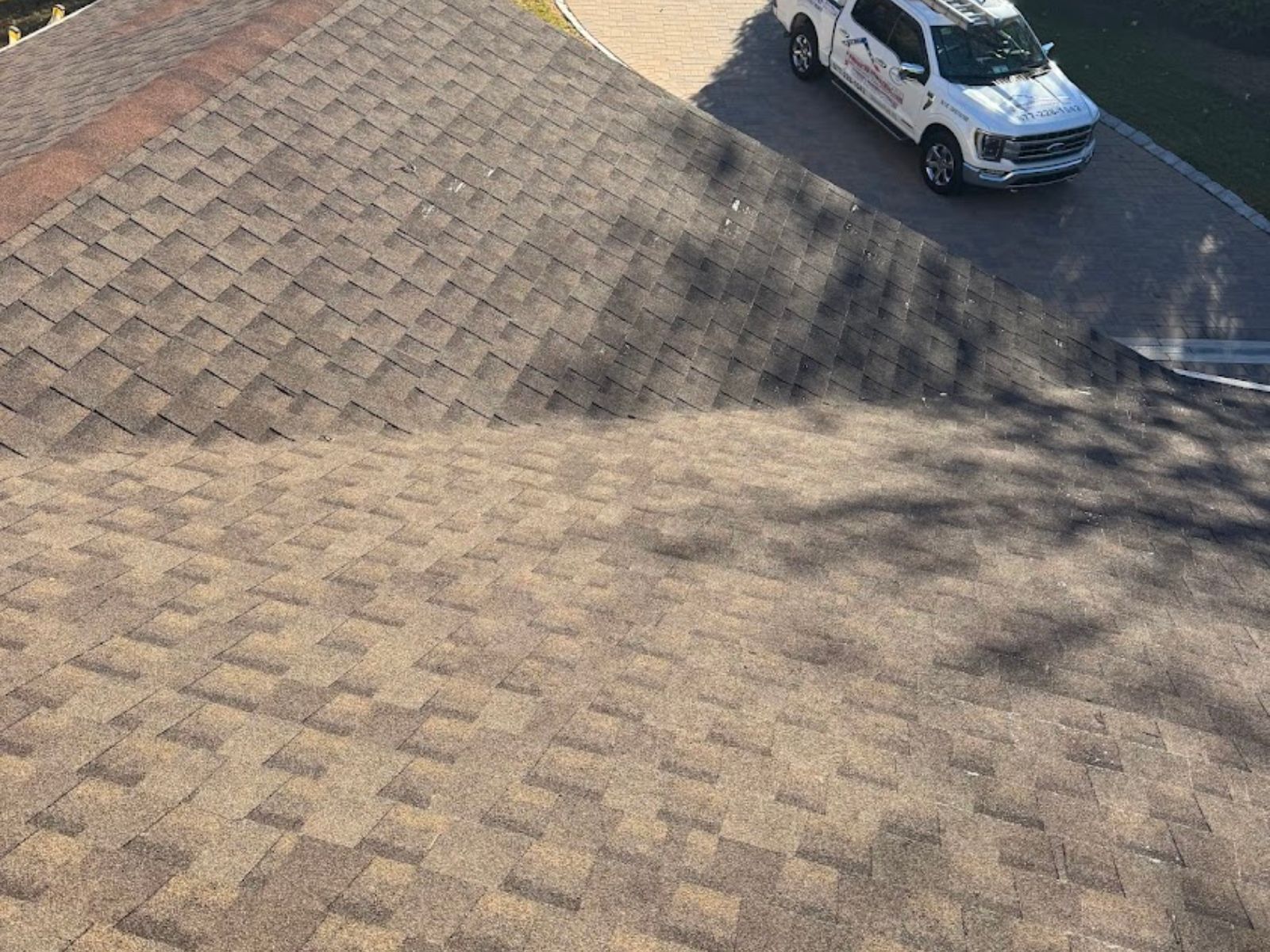
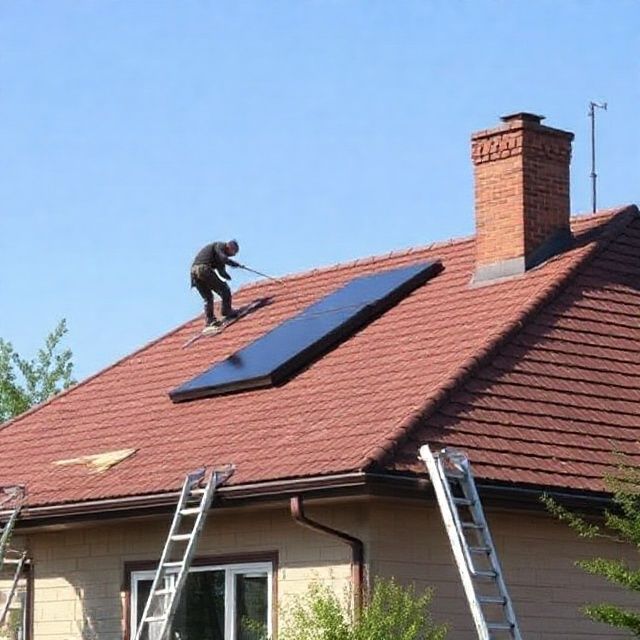
Yes. If you're buying a house in New Jersey, a dedicated roof inspection is one of the smartest small steps you can take. A general home inspection often looks at the roof only from the ground, a ladder or a drone. A roofer walks the surface, checks the attic and can usually tell you how many years the roof has left and what a repair or replacement would cost. That information gives you real leverage before you close.
Below, we explain what a home inspector typically covers, what a roofing inspection adds, when to schedule it during the NJ buying process and how to use what you learn.
Why a General Home Inspection Isn't Always Enough
New Jersey licenses its home inspectors, and a good one will flag obvious roof problems. But home inspectors are generalists covering everything from the furnace to the foundation in a few hours. Many won't walk a steep, wet or fragile roof for safety reasons, and their report may simply say the roof shows "signs of wear" and recommend evaluation by a licensed roofer.
That recommendation matters, because the roof is one of the most expensive single components of a house. A full replacement on a typical New Jersey single-family home often runs from roughly $10,000 to $25,000 or more, depending on roof size, pitch, material and the condition of the decking underneath. Our 2026 roof replacement cost guide breaks those numbers down further.
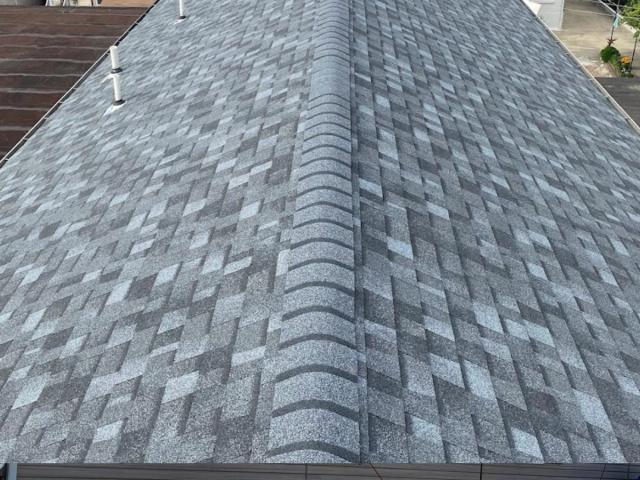
A roofer spends their whole day on roofs. They know what a 12-year-old architectural shingle looks like versus a 22-year-old one, and they can spot workmanship shortcuts a generalist might miss.
What a Roofer Checks During a Pre-Purchase Inspection
A thorough roof inspection covers both the outside of the roof and the attic underneath it. Here is what you should expect a qualified roofer to look at:
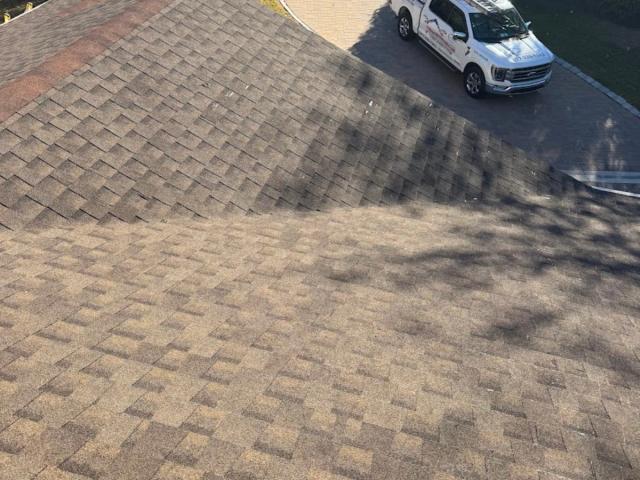
- Shingle condition: granule loss, curling, cracking, missing tabs and blistering, along with an estimate of remaining life.
- Number of layers: NJ code generally allows no more than two layers of asphalt shingles. If there are already two, the next roof must be a full tear-off, which costs more. (See Can You Put a New Roof Over Old Shingles in NJ?)
- Flashing: around chimneys, skylights, plumbing vents, walls and valleys, where most leaks start.
- Soft or spongy decking: a sign of long-term moisture and rotted plywood or boards.
- Attic ventilation and moisture: frost or water stains on the underside of the decking, mold, damp insulation, or daylight showing through.
- Gutters and drip edge: whether water is being carried away from the fascia and foundation.
- Past repairs: mismatched shingles, excess roofing cement and patched areas that hint at recurring problems.
You should receive photos of what was found, not just a verbal opinion. Photos are especially useful when you're negotiating with a seller who has never been on their own roof.
When to Schedule It in the NJ Buying Process
In New Jersey, a signed contract usually goes through a three-business-day attorney review period. After that, most contracts include an inspection contingency, commonly somewhere around 10 to 14 days, though your attorney may negotiate a different window. That's your time to get every inspection done and raise issues.
Timing tips:
- Book the general home inspection as soon as attorney review ends.
- If the home inspector flags the roof, or the roof is more than 15 years old, call a roofer right away rather than waiting for the written report.
- Ask the roofer for a written summary and, if work is needed, an itemized estimate you can hand to your attorney.
- Leave a few days before the contingency deadline so your attorney can send a request for repairs or a credit.
Late fall is a particularly good time to look closely. Leaves pile up in valleys and gutters, and the first cold nights can reveal attic condensation problems. If a seller's roof is already struggling, you'd rather know before your first New Jersey winter, not after an ice dam sends water through a bedroom ceiling.
Questions to Ask the Seller About the Roof
An inspection tells you what the roof looks like today. These questions fill in the history:
- How old is the roof, and who installed it?
- Was a permit pulled? You can often confirm this through the town's construction office.
- Is there a manufacturer or workmanship warranty, and is it transferable? Some manufacturer warranties allow one transfer to a new owner but require registration within a set time after closing.
- Have there been any leaks, insurance claims or storm repairs?
- Has the attic ever been reinsulated or had ventilation changed?
Get answers in writing through your attorney or agent when possible. A roof described as "about 10 years old" that turns out to be 20 years old changes the math considerably. Our post on how long a roof lasts in New Jersey can help you judge what's left.
Red Flags That Should Change Your Offer
Not every flaw is a deal breaker. Replacing a few missing shingles or resealing a pipe boot is minor. These findings, however, deserve a serious conversation with your attorney:
- Two existing layers of shingles on a roof near the end of its life
- Widespread curling, cracking or bald spots where granules are gone
- Soft decking in multiple areas
- Active stains, mold or wet insulation in the attic
- Failed or improvised chimney flashing, such as caulk or tar instead of metal step and counter flashing
- Fresh paint on ceilings directly below suspicious roof areas
Buyers also sometimes find that the homeowner's insurance company is reluctant to write a policy, or will only offer limited roof coverage, on an older roof. It's worth asking your insurance agent early what age or condition might affect your quote.
How to Use the Inspection Results
Once you have photos and a written estimate, you generally have a few options, which your attorney can present to the seller:
- Ask for repairs before closing, ideally completed by a licensed, insured contractor with documentation.
- Request a credit at closing so you can hire your own roofer afterward and control the quality of the work.
- Negotiate a lower price that reflects a roof replacement in the near future.
- Walk away if the contingency allows and the problems are bigger than you're willing to take on.
Many buyers prefer a credit over seller-arranged repairs. A seller heading out the door has little reason to pay for the best materials or installation. With a credit, you choose the shingle line, the underlayment and the contractor, and you get any warranty registered in your name.
Next Steps
If you're under contract on a New Jersey home, or about to make an offer, don't let the roof be a guess. American Roofing Pros is a GAF Master Elite® contractor with 20 years of experience on NJ roofs, and we provide estimates with photos and a written, itemized price so you and your attorney have something concrete to work with.
Call us at (877) 228-1042 or request a free estimate, and mention your inspection deadline so we can schedule you quickly.