Best Roofing Shingles for Seaside Park, NJ Shore Homes
Salt air, nor'easters and high winds are hard on Seaside Park roofs. Here's which shingles, fasteners and underlayment hold up best on NJ shore homes.
ARAmerican Roofing Pros··5 min read
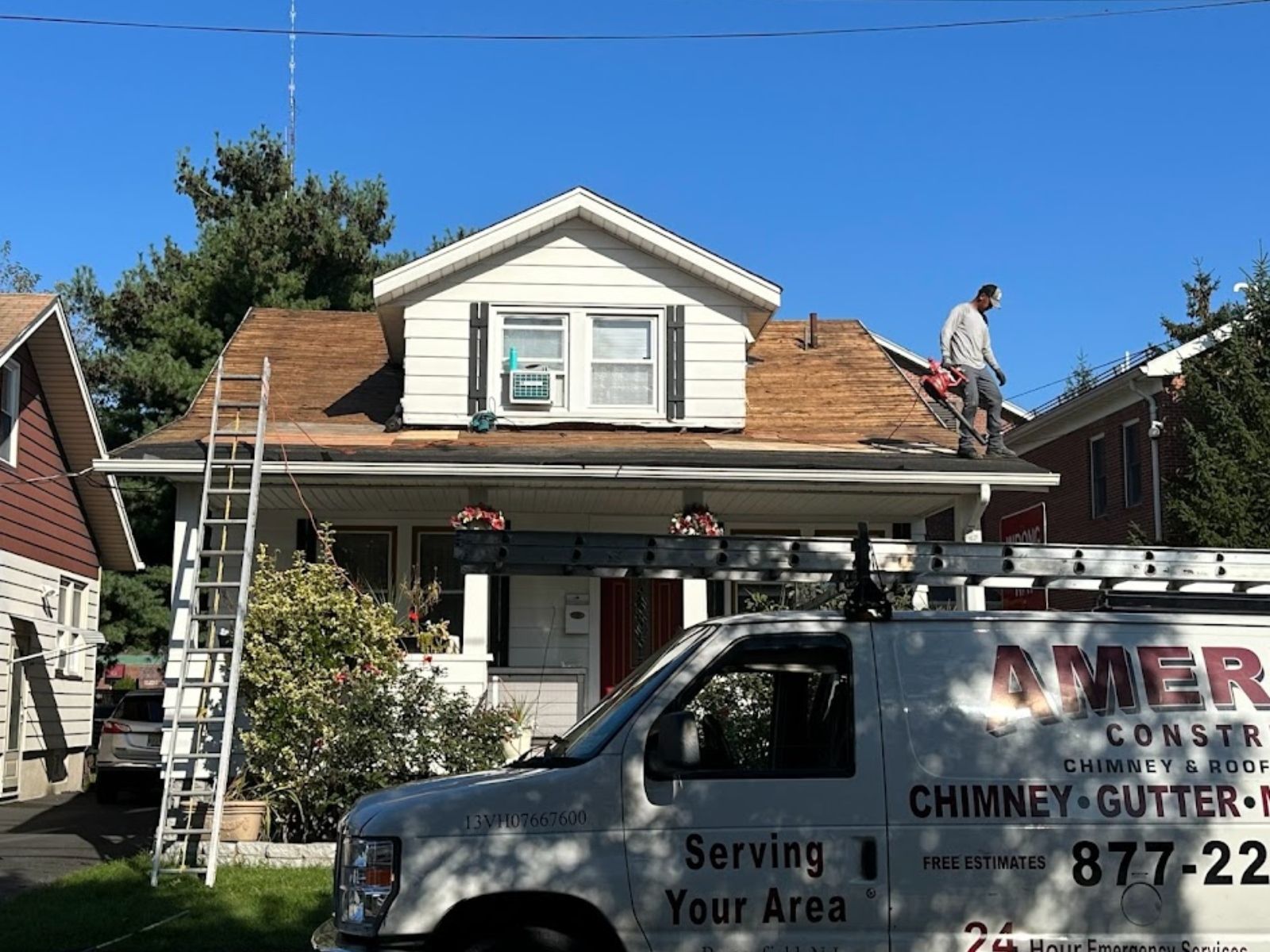
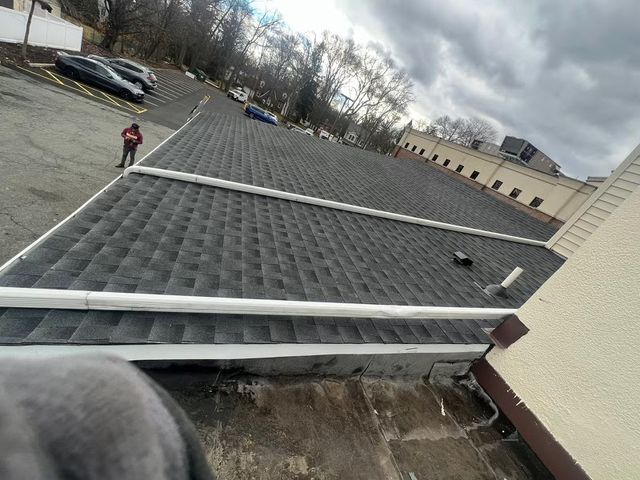
For most Seaside Park homes, the best roofing shingle is a high-wind-rated architectural asphalt shingle with algae resistance, installed with a high-wind nailing pattern, corrosion-resistant fasteners and a full shore-grade underlayment system. The shingle brand matters less than the way it's fastened and sealed. On a barrier island where the wind comes off the ocean and the bay, installation details decide whether your roof rides out a nor'easter or ends up scattered across the street.
Below, we break down what makes a shingle right for a Seaside Park roof, which components matter most, and what a shore-ready roof typically costs.
Why Seaside Park Roofs Need More Than a Standard Install
Seaside Park sits on a narrow strip of land between Barnegat Bay and the Atlantic. There's nothing to slow the wind down, and late fall through early spring brings a steady run of nor'easters that can push sustained gusts well past what inland roofs ever see.
A few local conditions make roofing here different from a house in Toms River or Lacey:
- Constant wind exposure. Shore towns fall in higher design wind speed zones, and wind uplift at roof edges and corners is the number one cause of shingle loss.
- Salt air. Salt spray corrodes standard steel nails, flashing and vents faster than on the mainland.
- Wind-driven rain. Horizontal rain gets pushed under shingle edges and through weak spots around vents and flashing.
- Elevated homes. Many houses were raised after Hurricane Sandy, which puts the roof higher into the wind and more exposed to uplift.
- Humidity and shade-free sun. Moisture encourages algae streaks, while strong summer sun ages shingles quickly.
If you want a broader look at local conditions and services, see our Seaside Park roofing page.
Architectural Shingles vs 3-Tab at the Shore
Three-tab shingles are thin, single-layer products with a lower wind rating, typically around 60 mph. They're also largely being phased out by major manufacturers. On an exposed barrier island home, they're simply not a good match.
Architectural (dimensional) shingles are laminated, heavier and far more wind resistant. Most quality lines carry wind ratings of 110 to 130 mph, and some offer enhanced wind coverage when installed with the manufacturer's matching starter strips and ridge caps. We compare the two types in detail in Architectural Shingles vs 3-Tab Shingles.
Wind ratings to look for
When you compare shingles, check the product data sheet for these test classifications:
- ASTM D3161 Class F — tested to 110 mph wind.
- ASTM D7158 Class H — tested to 150 mph wind uplift.
For a Seaside Park home, we recommend shingles that carry both ratings. GAF Timberline HDZ shingles, which we install often as a GAF Master Elite® contractor, meet these standards and can qualify for enhanced wind warranty coverage when installed with required GAF accessories.
The Components That Matter as Much as the Shingle
A great shingle installed with the wrong nails or a skimpy underlayment will still fail. These are the parts of a shore roof system we pay the most attention to.
High-wind nailing pattern
Standard installs use four nails per shingle. High-wind installs use six, placed precisely in the manufacturer's nailing zone. Nails driven too high, too low or at an angle are one of the most common reasons shingles peel off in a storm.
Corrosion-resistant fasteners and metals
Near the ocean, ask for hot-dipped galvanized or stainless steel roofing nails, not electro-galvanized. Drip edge, step flashing and vent flashing should be aluminum, heavy-gauge galvanized steel or copper. Cheap metal can rust through in a fraction of the roof's lifespan.
Starter strips and ridge caps
Edges and ridges take the most uplift. Factory starter strips with a sealant line along the eaves and rakes, plus matching high-profile ridge cap shingles, lock down the areas where wind damage usually starts.
Underlayment and ice and water shield
Synthetic underlayment holds up better than felt if shingles are lost during a storm, and it won't wrinkle in humid weather. At the shore, we often recommend ice and water shield along eaves, valleys, rakes and around every penetration. Some homeowners choose a full peel-and-stick membrane over the entire deck as a secondary water barrier, which is worth considering on a fully exposed oceanfront or bayfront house.
Ventilation
Ridge vents should be a wind-tested, baffled design that resists rain and snow infiltration. Balanced intake at the soffits keeps the attic dry, which matters in a humid coastal climate.
Algae Resistance and Color Choices
The dark streaks you see on many shore roofs are algae, and salty, humid air helps it spread. Choose a shingle with algae-resistant granules (GAF's StainGuard Plus is one example). This keeps the roof looking clean for years without pressure washing, which can strip granules and void warranties.
Color is mostly personal, but lighter shades like weathered wood, pewter gray or driftwood-style blends reflect more heat and pair well with coastal siding. They also show salt residue and pollen less than very dark colors.
What About Metal Roofing?
Standing seam metal is an excellent shore option. It handles high wind well and can last 40 to 60 years. If you go this route near salt water, choose aluminum or a steel panel with a coastal-rated coating, since uncoated or lightly coated steel can corrode.
The tradeoff is cost. Metal often runs two to three times the price of a quality architectural shingle roof. For most Seaside Park homeowners, a properly installed high-wind shingle system delivers the best balance of storm performance, appearance and price.
What a Shore-Ready Shingle Roof Costs
Prices vary by roof size, pitch, height, material, number of layers to remove and deck condition. As a general range for a typical Seaside Park single-family home:
- Architectural shingle replacement with standard accessories: roughly $10,000 to $20,000.
- High-wind upgrades (six-nail pattern, extra ice and water shield, stainless fasteners, upgraded ridge vent): often an added $800 to $3,000.
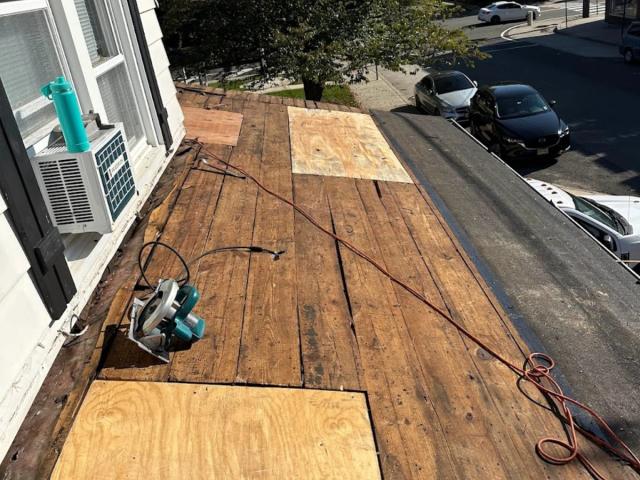
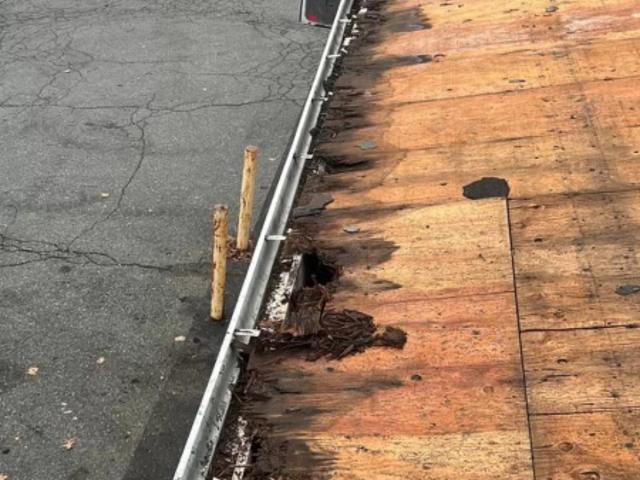
- Plywood replacement: usually priced per sheet, commonly $90 to $150 each if rot or salt damage is found.
- Standing seam metal: commonly $30,000 to $55,000 or more.
Elevated homes can cost more because of extra staging, safety equipment and material handling. Always ask for a written, itemized estimate so you can see exactly which wind and corrosion upgrades are included.
Questions to Ask Before You Sign
Whoever you hire for a roof replacement at the shore, ask these questions:
- Which shingle are you using, and what are its ASTM D3161 and D7158 ratings?
- Will you use a six-nail high-wind pattern?
- What type of nails and flashing metal will you use near salt air?
- Where will ice and water shield go, and is full-deck coverage an option?
- Will you install the manufacturer's starter strips and ridge caps so I qualify for the full warranty?
- Will you pull the permit and handle the town inspection?
A contractor who answers these clearly, in writing, is one who understands coastal roofing.
Next Steps for Seaside Park Homeowners
If your roof is aging, lost shingles in a recent storm or you simply want it ready for the rest of nor'easter season, now is a good time to have it looked at. American Roofing Pros serves Seaside Park and all of Ocean County, and most replacements are finished in a single day.
Call us at (877) 228-1042 or request a free estimate. You'll get photos of your roof and a written, itemized price that spells out every shingle, fastener and upgrade, so you know exactly how your home will be protected.