Should You Close Attic Vents in Winter? An NJ Roofer's Answer
Closing attic vents in winter can cause frost, mold and ice dams. Learn why NJ roofs need year-round airflow and which vents you should adjust before winter.
ARAmerican Roofing Pros··6 min read
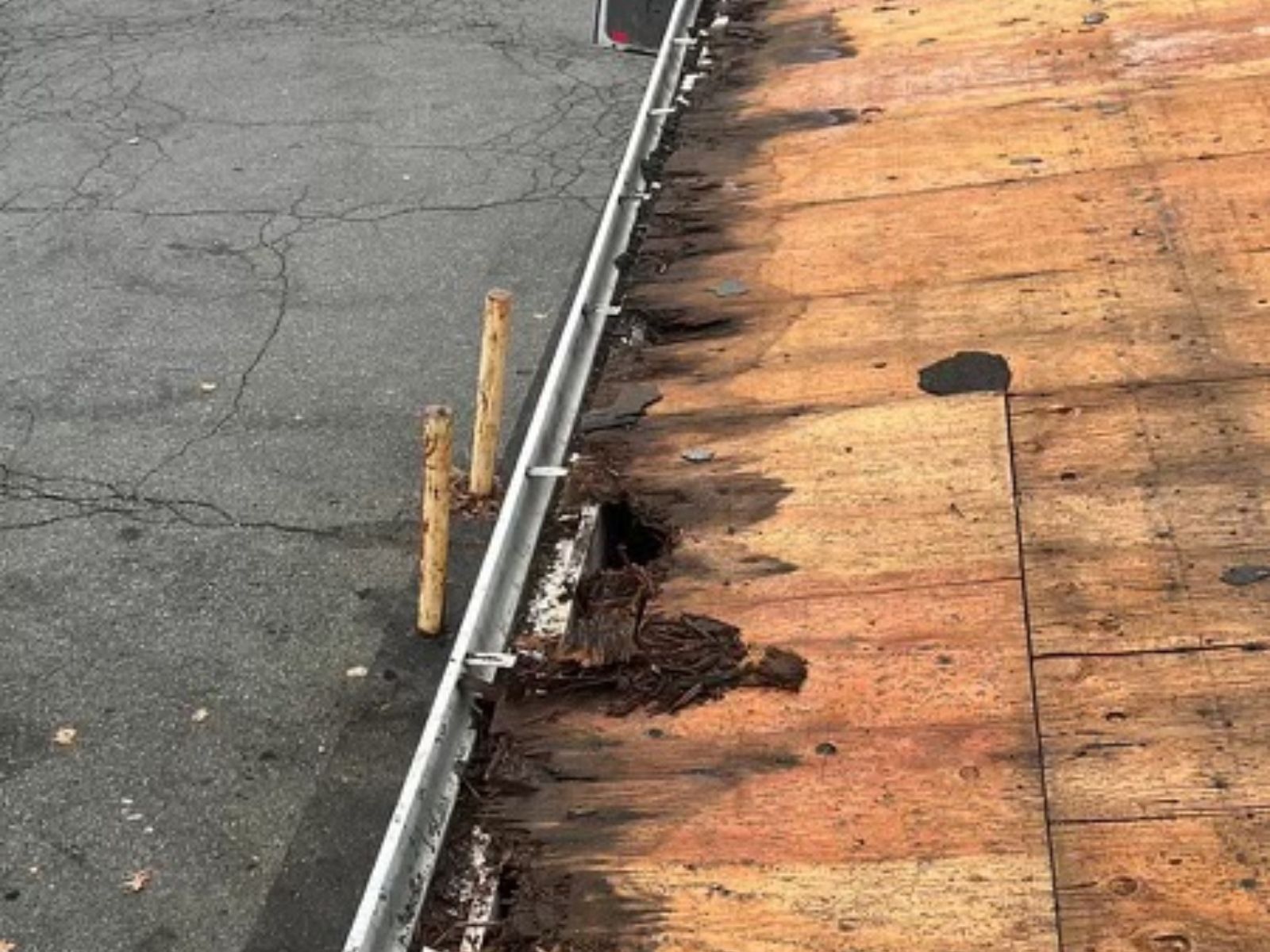
No, you should not close your soffit, ridge or roof vents in winter. In New Jersey, a properly vented attic needs airflow all year. In cold months that airflow removes moisture and keeps the roof deck cold, which helps prevent frost, mold, rotted plywood and ice dams. Your home stays warm because of insulation and air sealing on the attic floor, not because the attic is closed up.
That said, a few openings in and around your attic should be closed or adjusted for winter. Below we explain the difference, the warning signs of a poorly vented attic, and a simple November checklist you can run yourself.
Why Your Attic Needs Airflow in a New Jersey Winter
Most people think of attic ventilation as a summer issue, a way to let heat escape. In winter, the bigger job is moisture control. A typical household releases a surprising amount of water vapor every day from showers, cooking, laundry, houseplants and simply breathing.
Some of that warm, damp air leaks up into the attic through gaps around light fixtures, the attic hatch, plumbing stacks and wiring holes. When it reaches the cold underside of the roof deck, it condenses or freezes. Ventilation carries that moisture outside before it can do damage.
Here is what open, balanced vents do for you in winter:
- Prevent condensation and frost on the underside of the sheathing and on roofing nails.
- Reduce ice dams by keeping the roof deck closer to outdoor temperature, so snow does not melt on the upper roof and refreeze at the eaves.
- Protect insulation, which loses much of its effectiveness when it gets damp.
- Extend shingle and plywood life by limiting the moisture cycles that cause warping, delamination and rot.
New Jersey's winters make this especially important. We get repeated freeze-thaw cycles, wet nor'easters and stretches of humid weather between cold snaps, all of which give trapped moisture plenty of chances to cause trouble. If you have ever seen frost or water droplets in your attic, our guide on attic condensation vs. a roof leak explains how to tell which one you are dealing with.
"Won't Open Vents Make My House Colder?"
This is the most common reason homeowners consider blocking vents, and it is understandable. But in a standard vented attic, the attic is supposed to be cold. The thermal boundary of your home is the attic floor, where the insulation sits.
If heat is escaping, closing the vents will not fix it. It will only trap that warm, moist air against the roof deck. The real fixes are:
- More insulation. Many NJ attics have far less than today's recommended levels of roughly R-49 or more (about 14 to 16 inches of blown fiberglass or cellulose).
- Air sealing. Sealing gaps around recessed lights, top plates, chimney chases, plumbing vents and the attic hatch stops warm air from leaking up in the first place.
- Insulation baffles at the eaves, which keep insulation from blocking soffit vents while letting air flow up under the roof deck.
Building codes based on the International Residential Code, which New Jersey follows, generally call for about 1 square foot of net free vent area for every 150 square feet of attic floor, or 1 per 300 when the system is balanced and meets certain conditions. Shingle manufacturers also expect proper ventilation, and inadequate ventilation can affect warranty coverage.
Vents and Openings You Should Close or Adjust
While your roof vents should stay open, these items deserve attention before winter sets in:
- Whole-house fan openings. The ceiling shutter of a whole-house fan is a big hole between your living space and the attic. Cover it with an insulated cover for winter.
- Powered attic fans. Thermostat-controlled fans do little in cold weather. Switch them off for the season, or make sure a humidistat setting is working correctly.
- Bathroom and kitchen exhaust fans. These must vent all the way outside through a roof or wall cap, never into the attic or toward a soffit vent. A disconnected duct is one of the most common causes of winter attic frost we see.
- Dryer vents. Same rule: they should exit the house, not the attic.
- Gable vents mixed with ridge vents. In some homes, gable vents can short-circuit a ridge vent system. Blocking them can be the right call, but it should be a permanent design decision made by a roofer after looking at your attic, not a seasonal fix.
Signs Your Attic Is Not Venting Properly This Winter
You do not need to wait for a leak to spot a ventilation problem. On a cold morning, take a flashlight into the attic and look for:
- Frost on the underside of the roof deck or on nail tips
- Water stains or drips under nails that appear on sunny days after cold nights
- Dark staining, mildew or a musty smell on rafters and sheathing
- Damp, matted or compressed insulation
- Soffit vents buried under insulation, with no daylight visible at the eaves
Outside, watch for large icicles, ice building up along the gutters, or snow melting in patches on the upper roof while the overhangs stay frozen. Those are classic signs of heat and moisture escaping into the attic. Our post on how to prevent ice dams on NJ roofs covers that problem in more detail.
A Quick November Attic Check for NJ Homeowners
Now is a good time to look things over, before the first heavy snow. Here is a simple routine:
- Confirm your soffit vents are clear from outside. Look for paint, debris, wasp nests or screens clogged with dust.
- In the attic, check that insulation is not packed into the eaves and that baffles are in place.
- Follow each bathroom fan duct to make sure it connects to an exterior vent cap.
- Cover the whole-house fan opening and weatherstrip the attic hatch or pull-down stairs.
- Turn off powered attic fans for the season.
- Note any frost, staining or damp insulation and take photos so a roofer can review them.
Please do not cover a ridge vent or stuff insulation into soffits to stop drafts. It may feel like you are saving energy, but you are setting up the exact conditions that lead to moisture damage by spring.
When to Call a Roofer About Ventilation
If you find frost, mold or soaked insulation, or if your attic has only a couple of small box vents and no soffit intake, it is worth having the system evaluated. Ventilation problems usually come down to too little intake, too little exhaust, or the wrong mix of vent types.
Costs vary widely by roof size, pitch, attic layout and what needs to be done. Small fixes like reconnecting a bath fan duct or adding baffles can be a few hundred dollars. Adding a ridge vent and soffit intake to an existing roof often runs from several hundred to a couple thousand dollars. If your roof is near the end of its life, the most cost-effective time to correct ventilation is during a replacement, when it can be designed properly from the start.
As a GAF Master Elite® contractor, American Roofing Pros checks intake and exhaust balance on every roof we inspect or replace. You can learn more about our attic ventilation services and how we size a system for your home.
Next Steps
Keep your roof vents open this winter, close up the openings that let warm air into the attic, and take a quick look for frost or damp insulation on the next cold morning. If something looks off, it is much easier and cheaper to fix now than after a season of ice dams.
Call American Roofing Pros at (877) 228-1042 or request a free estimate. We will inspect your attic and roof, send photos, and give you a written, itemized price for any work you need.