Synthetic Underlayment vs Felt: Which Is Best for NJ Roofs?
Synthetic underlayment or felt paper under your new roof? A NJ roofer compares strength, cost, cold-weather installs and warranties so you know what to ask for.
ARAmerican Roofing Pros··5 min read
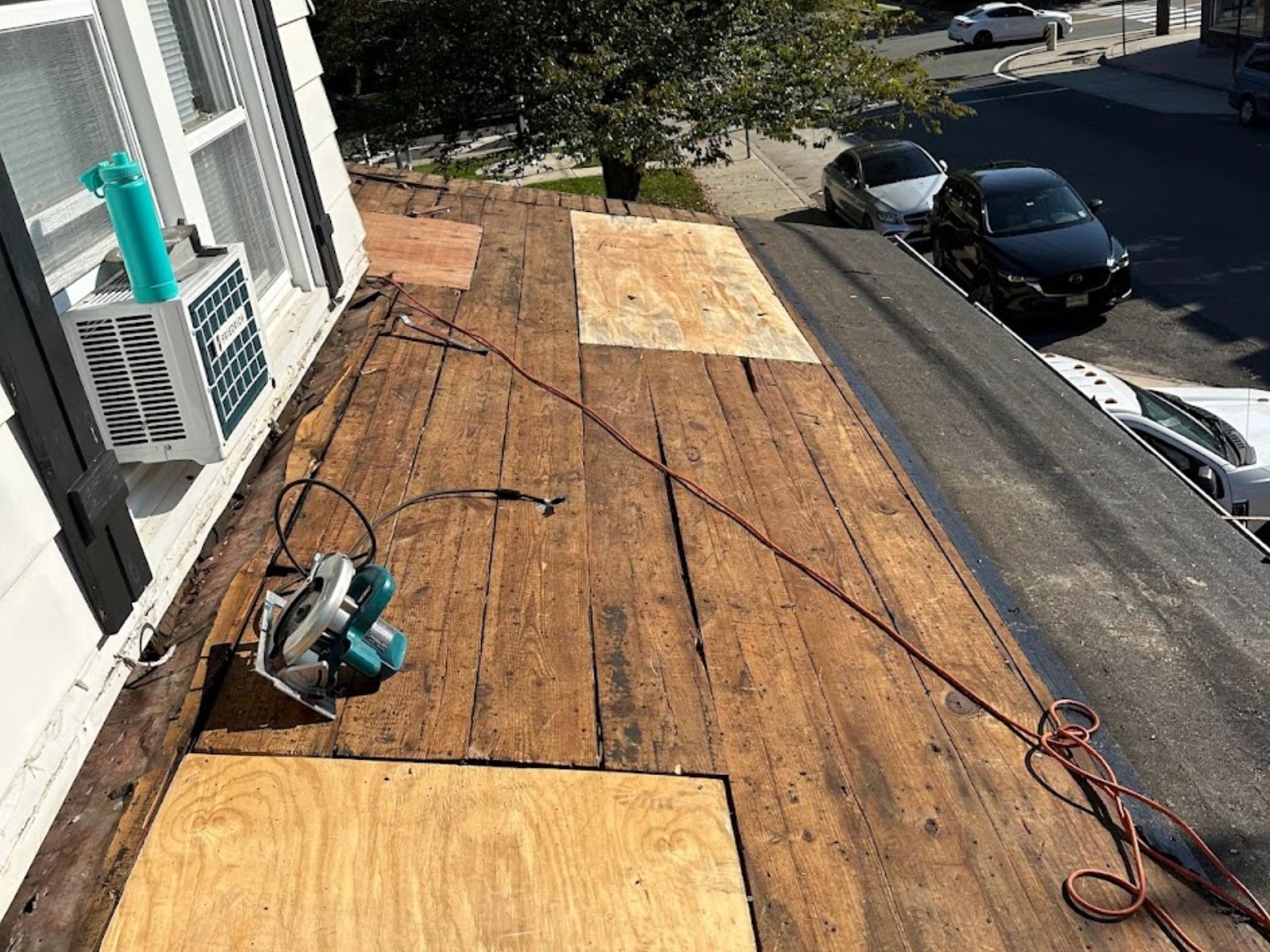
For most New Jersey homes getting a new asphalt shingle roof, synthetic underlayment is the better choice than traditional felt paper. It is stronger, lighter, doesn't wrinkle when it gets wet, and holds up better during fall and winter installs. Felt still works and costs a little less, but the price gap on a typical NJ house is usually small compared to the benefits.
Underlayment is one of those parts of a roof you never see once the shingles are on, so it rarely comes up when homeowners compare estimates. It should. Here's what it does, how the two options differ, and what to look for on your quote.
What Roof Underlayment Actually Does
Underlayment is the layer between your roof deck (the plywood or OSB sheathing) and your shingles. Shingles are your main defense against water, but they aren't watertight on their own. Wind-driven rain, melting snow and ice can push water up and under them.
The underlayment is your secondary water barrier. It also protects the bare deck during installation, helps shingles lie flat, and is required by the building code under asphalt shingles. In New Jersey, it works alongside ice and water shield, which goes along the eaves, valleys and around penetrations. If you want details on that layer, see our guide on where your NJ roof really needs ice and water shield.
Felt Paper: The Traditional Option
Felt underlayment, often called tar paper, is a mat saturated with asphalt. It comes in two common weights, usually labeled #15 and #30, with #30 being thicker and more durable. For decades it was the standard under every roof in the state, and plenty of NJ roofs with felt have performed fine.
Felt has real drawbacks, though:
- It wrinkles when it absorbs moisture. If felt gets wet from dew or rain before the shingles go on, it can buckle, and those ripples can show through the finished roof.
- It tears easily. Wind can rip it loose on an exposed deck, and installers' footsteps can puncture it.
- It's heavy and covers less per roll. A roll of #30 felt typically covers about two squares (200 square feet), so more rolls get carried up the ladder.
- It dries out over time. Asphalt-saturated felt can become brittle as it ages, especially in hot attics.
Synthetic Underlayment: Today's Standard
Synthetic underlayment is made from woven or spun polymer fabrics, usually polypropylene or polyethylene, with coatings for water resistance and walkability. Most reputable roofing contractors in New Jersey now use it as their default on replacements.
The main advantages:
- Much higher tear strength. It resists ripping from wind and foot traffic, which matters on steep or complex roofs.
- It stays flat when wet. No wrinkling or buckling, so shingles lay cleaner and look better.
- Lighter with bigger rolls. Many synthetic rolls cover around 10 squares, which means fewer seams and faster, more consistent installs.
- Longer UV exposure ratings. Depending on the product, synthetics can sit exposed for weeks or months without breaking down, while felt should be covered quickly.
- Doesn't rot or get brittle the way organic or asphalt-saturated products can.
One thing to know: most synthetic underlayments are not vapor-permeable, meaning moisture from the attic can't pass through them. On a properly ventilated attic that's not a problem. On a home with poor airflow, moisture can collect under the deck, which is why ventilation should be checked during any replacement. Our attic ventilation service covers exactly that. Breathable synthetic products also exist for situations where it's needed.
Why the Choice Matters More in a New Jersey Fall and Winter
It's mid-November, and roofs are still going on across the state. This time of year, the type of underlayment makes a noticeable difference on installation day.
- Morning dew and frost. Felt absorbs moisture from damp mornings and can wrinkle before shingles cover it. Synthetic doesn't.
- Gusty fall winds. Torn felt on an exposed deck is a common problem on breezy days. Synthetic stays put once it's fastened.
- Unexpected weather. If a storm rolls in mid-job, a deck covered with synthetic underlayment is far better protected than one covered with felt.
- Cold temperatures. Felt gets stiffer and more prone to cracking in the cold. Synthetics stay flexible and easier to install flat.
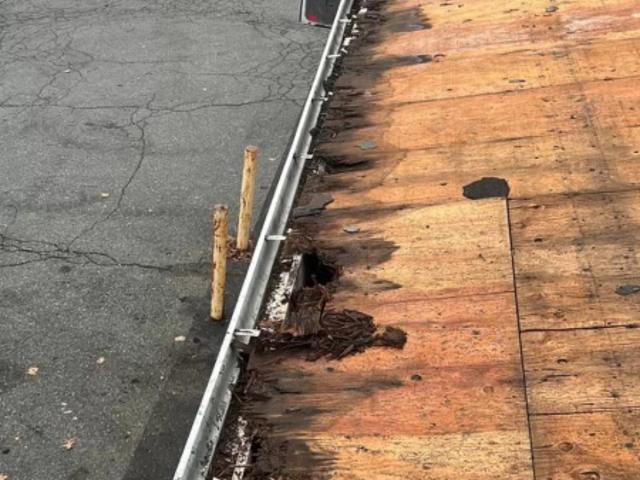
Most of our replacements are finished in a single day, so the deck isn't exposed for long. But on larger or more complex homes, or when a rotted deck section has to be replaced, that extra protection is valuable.
Cost: How Much More Is Synthetic?
Synthetic underlayment costs more per square foot than felt, but because it's faster to install and covers more per roll, the total difference on a typical New Jersey single-family home is often a few hundred dollars. On a 2,000 to 2,500 square foot roof, it usually represents a small fraction of the overall project price.
Exact numbers vary by roof size, pitch, the specific products used and the condition of your deck. If you're comparing quotes and one is noticeably cheaper, check whether it lists felt instead of synthetic, or doesn't name the underlayment at all. Our guide on how to compare roof replacement estimates in NJ walks through what an itemized quote should include.
Underlayment and Your Shingle Warranty
Manufacturers design their shingles to work as a system. GAF, for example, offers enhanced warranty coverage when shingles are installed with qualifying GAF accessories, and their underlayments are among those accessories. Products like GAF FeltBuster, Tiger Paw and Deck-Armor are all synthetic or breathable options built for this purpose.
As a GAF Master Elite® contractor, American Roofing Pros installs complete GAF systems so homeowners qualify for the stronger warranty options. If you want to understand what those warranties cover, read GAF roof warranties explained.
When Felt Still Makes Sense
Felt isn't wrong, and there are a few situations where it's reasonable:
- Small repairs where you're matching the existing underlayment on an older roof.
- Certain specialty roofing materials where the manufacturer specifies a particular felt.
- Tight budgets on simple, low-complexity roofs, as long as the installer covers it quickly and uses #30 rather than #15.
For a full asphalt shingle replacement on a typical NJ home, though, synthetic is the better long-term value.
Questions to Ask Your Roofer
- What brand and type of underlayment will you use, and is it listed on the estimate?
- Is it synthetic or felt? If felt, what weight?
- Where will ice and water shield go, and how far up from the eaves?
- Does the underlayment qualify for the manufacturer's enhanced warranty?
- Will you check my attic ventilation as part of the job?
A good contractor will answer these clearly and put the details in writing.
Next Steps
If your roof is nearing the end of its life, the materials under the shingles deserve as much attention as the shingles themselves. American Roofing Pros provides free estimates with photos and a written, itemized price that spells out every layer of your new roof, including underlayment, ice and water shield and ventilation.
Learn more about our roof replacement process, call us at (877) 228-1042, or request your free estimate today.