Roof lifespan in New Jersey – Your roof is one of the most important components of your home. It protects your family, your property, and the overall structure from weather, temperature changes, and seasonal storms. In New Jersey, homeowners face a wide range of weather conditions, including cold winters, hot humid summers, heavy rainfall, and occasional coastal storms. Because of this, understanding how long a roof lasts in New Jersey climate is essential for planning maintenance, budgeting for replacement, and ensuring long term protection.
This guide from AMERICAN ROOFING PROS New Jersey explains typical roof lifespans, factors affecting longevity, maintenance tips, and signs that indicate it’s time for replacement. For a professional roof inspection or free estimate, call (877) 228-1042 or request a quote at
https://americanroofingprosnj.com/get-quotes/.
Typical Roof Lifespan in New Jersey
The lifespan of a roof depends largely on the material, installation quality, weather exposure, and maintenance. On average, the following ranges are typical for New Jersey homes:
Asphalt Shingles
The most common roofing material in New Jersey, asphalt shingles, typically last 20 to 25 years. Architectural or laminated shingles can last 25 to 30 years. Regular inspections and maintenance can help extend their life.
Metal Roofing
Metal roofs are durable and long lasting. In New Jersey, a properly installed metal roof can last 40 to 70 years. They are excellent at handling snow, ice, high winds, and temperature fluctuations.
Slate Roofing
Slate is one of the most durable roofing materials. A slate roof can last 75 to 100 years or more. This makes it an ideal choice for homeowners looking for a long term investment, though it comes with higher installation costs.
Cedar Shake Roofing
Cedar shake roofs typically last 25 to 35 years with proper maintenance. They provide natural insulation and a beautiful appearance, but require regular care to prevent rot, mold, and insect damage.
Flat Roofing Systems
Flat roof membranes, such as TPO, EPDM, and modified bitumen, generally last 20 to 30 years depending on installation quality, material thickness, and maintenance.
Factors That Affect Roof Lifespan in New Jersey
Several key factors influence how long a roof will last in the New Jersey climate.
1. Weather Exposure
New Jersey experiences a wide range of weather conditions. Harsh winters with snow and ice can stress roofing materials. Summer heat and humidity can also cause shingles and other materials to deteriorate faster. Homes near the coast may experience wind and salt exposure, which can reduce lifespan.
2. Quality of Installation
A well-installed roof will last significantly longer than one installed improperly. Professional roofers follow manufacturer guidelines and ensure proper flashing, underlayment, ventilation, and sealing. Poor installation can shorten lifespan by several years.
3. Material Quality
High quality roofing materials last longer than budget options. For example, premium asphalt shingles, thicker metal panels, and high grade slate have greater durability and can withstand New Jersey weather more effectively.
4. Maintenance and Inspections
Regular roof maintenance significantly extends lifespan. Cleaning gutters, removing debris, inspecting for leaks or damaged shingles, and addressing minor issues early can prevent major damage.
5. Ventilation and Insulation
Proper attic ventilation and insulation prevent heat buildup and moisture accumulation. Without adequate ventilation, shingles can warp, and roofing materials can degrade faster.
6. Roof Slope and Design
Steeply pitched roofs shed water and snow more effectively, reducing the risk of leaks and structural damage. Complex roof designs with valleys and dormers require more attention but can last longer with proper installation.
Signs Your Roof May Need Replacement
Even if your roof is within its expected lifespan, weather damage, poor maintenance, or storms can shorten its life. Watch for the following warning signs:
-
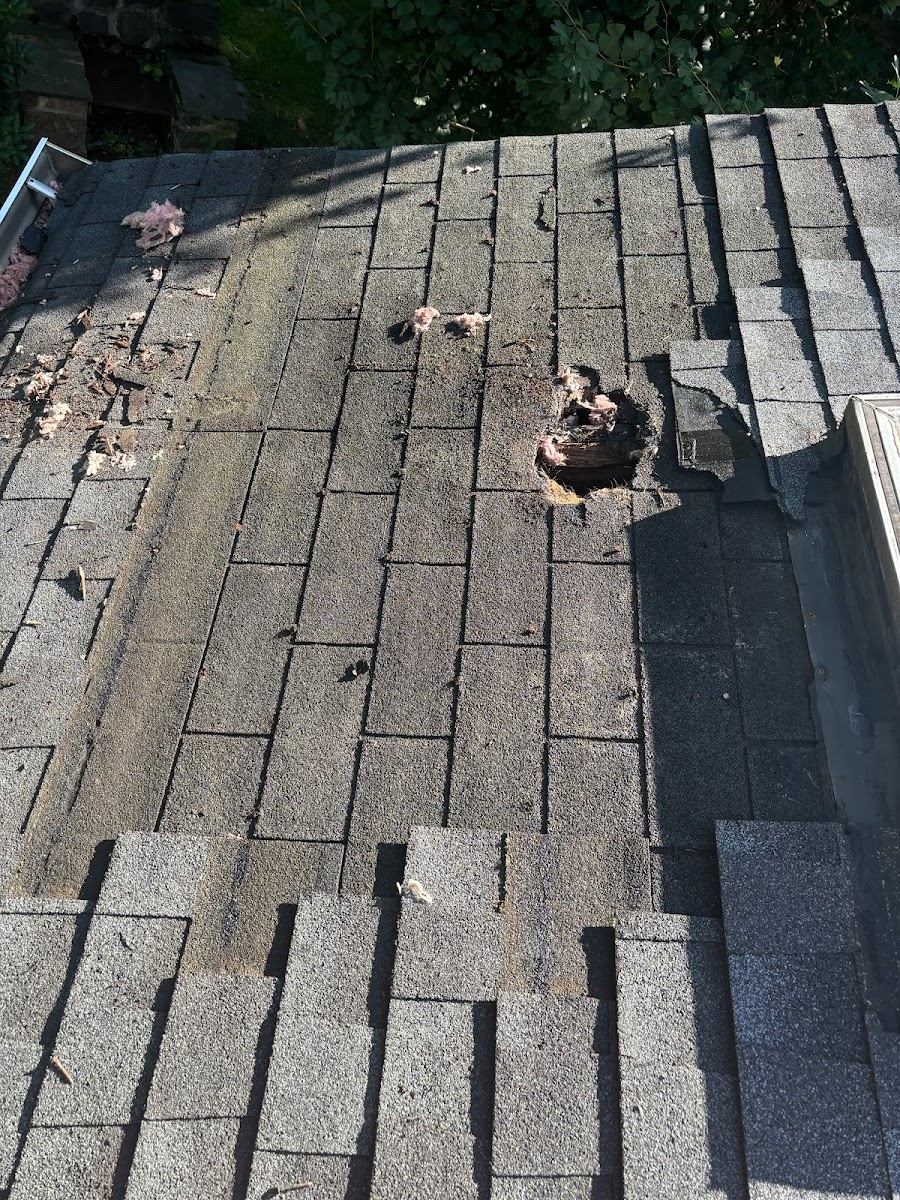
Curling, cracked, or missing shingles
-
Water leaks or stains inside the home
-
Moss, mold, or algae growth on shingles
-
Granules accumulating in gutters
-
Sagging roof deck
-
Frequent repairs that no longer solve the problem
If you notice these signs, it is time to schedule a professional inspection.
How to Maximize Your Roof’s Lifespan
Homeowners can take steps to ensure their roof lasts as long as possible:
-
Schedule annual inspections, especially after storms
-
Clean gutters and downspouts regularly
-
Trim overhanging tree branches to prevent damage
-
Address minor repairs promptly
-
Ensure proper attic ventilation and insulation
-
Hire experienced, licensed roofing contractors for all work
Following these best practices can help your roof reach or exceed its expected lifespan in New Jersey.
When to Plan for Roof Replacement
New Jersey homeowners should plan for replacement once a roof reaches the upper range of its expected lifespan or shows significant damage. Planning ahead ensures you can choose the best materials, schedule the project during ideal weather, and avoid emergency replacements.
A professional roofer can assess your home, provide a detailed inspection report, and recommend the right time for replacement. AMERICAN ROOFING PROS provides free inspections and expert guidance tailored to your home’s needs.
Trust AMERICAN ROOFING PROS for Long Lasting Roofs in New Jersey
At AMERICAN ROOFING PROS New Jersey, we specialize in high quality roofing installation, replacement, and repair. Our team understands the challenges of New Jersey’s climate and selects materials and techniques to maximize your roof’s lifespan. Whether you need asphalt shingles, metal roofing, slate, or flat roofing, we provide professional installation, maintenance, and inspections to protect your home for decades.
Call (877) 228-1042 to schedule a free inspection or request a free estimate at https://americanroofingprosnj.com/get-quotes/.