Flat roofs are common across New Jersey on commercial buildings, apartment complexes, and even modern residential homes. While flat roofing systems are durable, they don’t last forever—especially with New Jersey’s harsh weather conditions. Knowing when to replace a flat roof in NJ can save you from costly interior damage, emergency repairs, and business interruptions.
This guide explains the key warning signs, average roof lifespan, and NJ-specific factors that determine when replacement is the smartest option.
Average Lifespan of Flat Roofs in New Jersey
The lifespan of a flat roof depends on the material used, installation quality, and maintenance history. In New Jersey’s climate—marked by snow, rain, wind, humidity, and temperature swings—flat roofs often age faster than in milder regions.
Typical flat roof lifespans in NJ:
-
EPDM (Rubber Roofing): 20–25 years
-
TPO Roofing: 15–25 years
-
Modified Bitumen: 15–20 years
-
Built-Up Roofing (BUR): 20–30 years
If your flat roof is approaching or past these ranges, replacement should be strongly considered—especially if problems are recurring.
Warning Signs It’s Time to Replace Your Flat Roof
1. Frequent Leaks or Water Damage
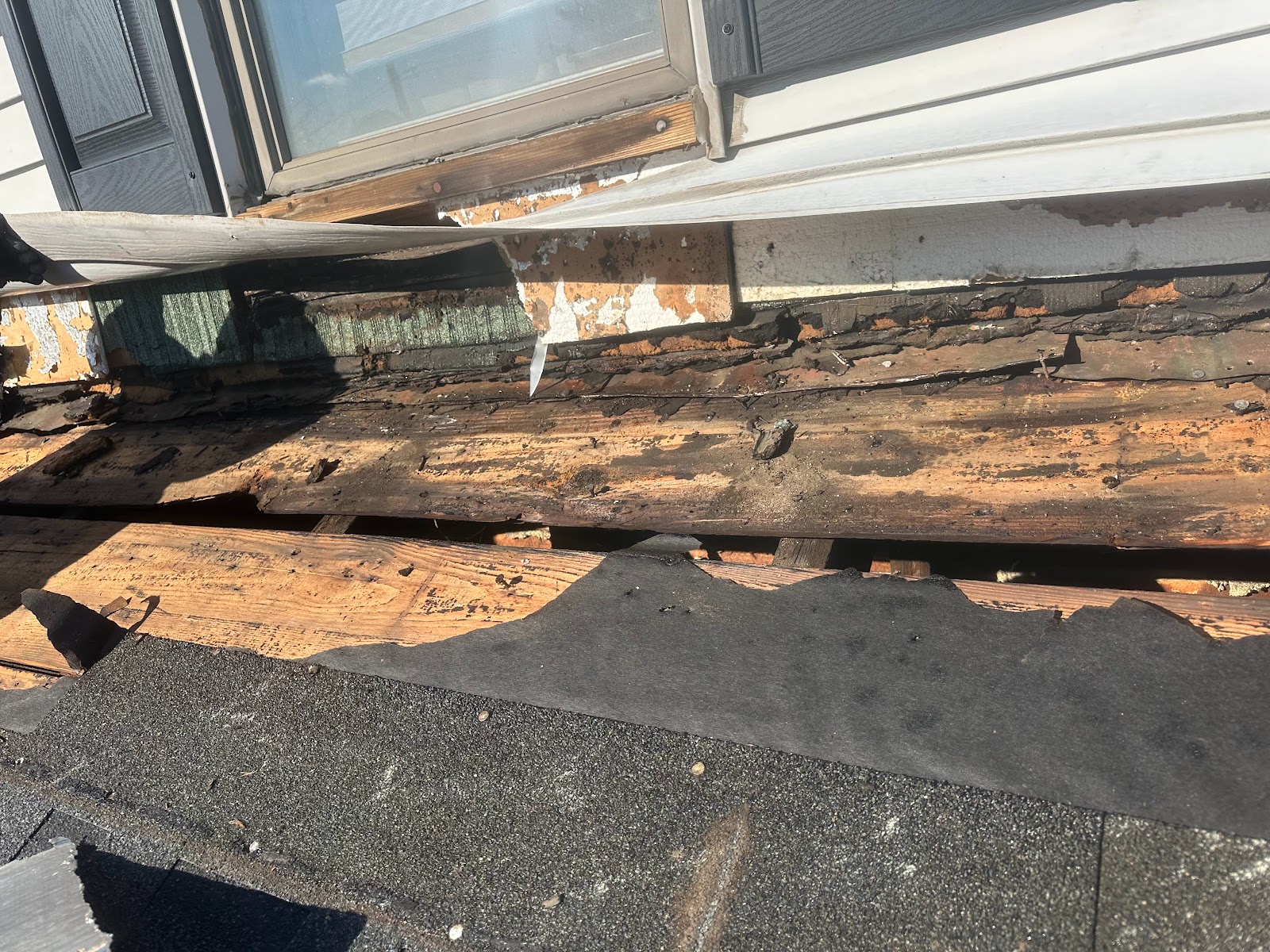
Occasional leaks can be repaired, but recurring leaks across multiple areas usually signal system failure. Water stains on ceilings, mold growth, or insulation damage are clear signs replacement may be necessary.
2. Pooling Water After Rain
Flat roofs should drain within 24–48 hours. Persistent standing water accelerates membrane deterioration and leads to leaks. In NJ, heavy rainstorms and snowmelt make this issue especially dangerous.
3. Blistering, Cracking, or Splitting
If the roofing membrane shows visible bubbles, cracks, or seam separation, the roof is no longer watertight. These issues often worsen during New Jersey’s freeze-thaw cycles.
4. Roof Is Near the End of Its Lifespan
Even if problems seem minor, an aging flat roof becomes less reliable every year. Proactively replacing an older roof prevents emergency repairs during storms or winter weather.
5. Rising Repair Costs
When repair costs start adding up year after year, replacement is often more cost-effective. A new flat roof improves energy efficiency, reduces maintenance, and increases property value.
How New Jersey Weather Impacts Flat Roofs
New Jersey roofs endure:
-
Heavy rain and coastal storms
-
Snow accumulation and ice
-
High summer heat and UV exposure
-
Strong winds during nor’easters and hurricanes
These conditions cause materials to expand, contract, and degrade faster. That’s why flat roofs in NJ often require replacement sooner than national averages suggest.
Repair vs. Replacement: How to Decide
Flat roof repair may be sufficient if:
-
Damage is isolated
-
The roof is under 15 years old
-
No structural or insulation damage exists
Flat roof replacement is recommended if:
-
Leaks are widespread
-
The membrane is failing
-
Drainage problems are ongoing
-
The roof is past its expected lifespan
A professional inspection is the only reliable way to determine the best option.
Benefits of Replacing a Flat Roof in NJ
Replacing your flat roof offers long-term advantages:
-
Improved waterproofing and durability
-
Better energy efficiency and insulation
-
Reduced emergency repair costs
-
Increased property value
-
Compliance with updated NJ building standards
Modern flat roofing systems are designed to withstand New Jersey’s demanding climate far better than older materials.
Schedule a Professional Flat Roof Inspection in NJ
If you’re unsure when to replace a flat roof in NJ, a professional inspection can provide clarity and prevent expensive surprises.
AMERICAN ROOFING PROS specializes in flat roof inspections, repairs, and full replacements throughout New Jersey. Our experienced team evaluates your roof honestly and recommends the most cost-effective solution.
📞 Call (877) 228-1042 for emergency service or a free consultation
📍 Serving commercial and residential properties across New Jersey
📝 Request your FREE flat roof estimate today