A roof inspection NJ homeowners schedule on time can save thousands of dollars. Your roof is the first line of defense against rain, snow, wind, and summer heat, yet it is the part of the house you see least. Small problems such as a lifted shingle, a cracked flashing seal, or a clogged gutter can sit unnoticed for months. Then the first heavy storm turns them into ceiling stains, wet insulation, and mold.
This guide explains what a professional roof inspection includes, which warning signs deserve attention, when to schedule one, and how to choose a contractor you can trust. It is written for homeowners and property managers across New Jersey, where freeze-thaw cycles, nor’easters, and humid summers put real stress on every roofing system.
Table of Contents
- What Is a Roof Inspection?
- Why a Roof Inspection NJ Homeowners Can Trust Matters
- 7 Warning Signs You Need an Inspection
- What a Professional Inspector Checks
- Types of Roof Inspections
- When to Schedule a Roof Inspection
- What You Can Check Safely From the Ground
- Understanding Your Inspection Report
- Repair or Replace? How to Decide
- Roof Lifespan by Material
- Inspections, Insurance, and Documentation
- Cost of a Roof Inspection
- How to Choose an Inspector or Contractor
- Why Homeowners Choose American Roofing Pros
- Frequently Asked Questions
- Conclusion
What Is a Roof Inspection?
A roof inspection is a structured evaluation of your roof’s condition, from the outer surface to the attic structure beneath it. The goal is to find damage, wear, and hidden moisture, then recommend the right fix before a small issue becomes a major repair. For general background on how roofs are built and the materials used, see the roof article on Wikipedia.
A thorough roof inspection NJ roofers perform looks at much more than the shingles you can see from the street. It covers:
- The roofing material itself (shingles, tile, metal, slate, or flat membrane).
- Flashing around chimneys, skylights, vents, and walls.
- Gutters, downspouts, soffits, and fascia.
- Ventilation and the condition of the attic.
- Decking and structural elements where they can be seen.
- Signs of leaks, moisture, and pest entry.
The result should be a clear picture of your roof’s health, with photos and a written recommendation.
Why a Roof Inspection NJ Homeowners Can Trust Matters
New Jersey is tough on roofs. In a single year, a typical roof here may face:
- Freeze-thaw cycles. Water gets under shingles or flashing, freezes, expands, and widens gaps.
- Nor’easters and strong winds. Gusts lift shingle edges and loosen flashing.
- Heavy snow and ice dams. Melting snow refreezes at the eaves and forces water back under the roof.
- Summer heat and UV exposure. Sun dries out asphalt shingles and sealants over the years.
- Humidity. Poor attic ventilation traps moisture and encourages mold and rot.
Each of these wears the roof down gradually. Regular inspection is the cheapest form of roof insurance, because it catches damage while repairs are still small. It also gives you real information when you are buying or selling a home, filing an insurance claim, or deciding whether to repair or replace.
7 Warning Signs You Need a Roof Inspection NJ Professionals Recommend
You don’t have to wait for a leak. Watch for these seven signs.
1. Missing, Cracked, or Curling Shingles
Shingles that lift, curl at the edges, or go missing no longer shed water as designed. Even a few damaged shingles can let water reach the decking, especially after wind.
2. Granules in the Gutters
Asphalt shingles are coated with mineral granules that protect against UV. Finding piles of granules in your gutters or at the bottom of downspouts suggests that the shingles are aging and losing protection.
3. Water Stains on Ceilings or Walls
Brown or yellow stains, peeling paint, or bubbling drywall point to moisture entering from above. The stain is often far from the actual entry point, because water travels along rafters and decking before it drips.
4. Sagging or Uneven Roof Lines
A dip or sag can indicate structural stress, trapped moisture, or deteriorating decking. This is a priority for professional evaluation.
5. Damaged or Loose Flashing
Flashing seals the joints around chimneys, vents, skylights, and valleys. Rusted, bent, or separated flashing is one of the most common sources of leaks.
6. Daylight or Dampness in the Attic
If you can see daylight through the roof boards, or find damp insulation, dark stains, or a musty smell, water and air are getting in.
7. Rising Energy Bills
A roof with poor ventilation or insulation problems makes your heating and cooling system work harder. A sudden increase in bills can be a clue that the roof or attic needs attention.
If you notice any of these signs, book a roof inspection NJ specialists perform in person. Don’t wait for the next storm to prove the problem exists.
What a Professional Inspector Checks
A complete inspection typically follows a consistent sequence, so nothing is missed.
The Roof Surface
The inspector looks at the overall condition of the material: cracked or blistered shingles, broken tiles, loose metal panels, and worn areas. Particular attention goes to south- and west-facing slopes, which get the most sun, and to areas under overhanging trees.
Flashing and Penetrations
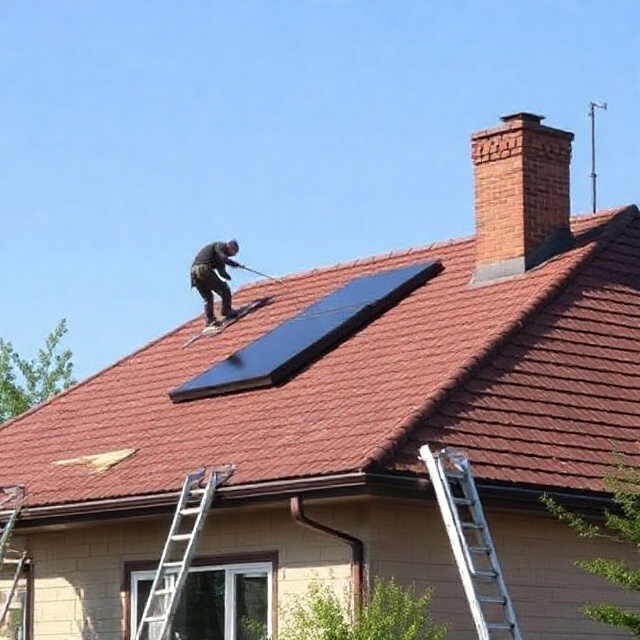
Every point where something passes through the roof is a possible leak. The inspector checks vent pipes, exhaust fans, skylights, satellite mounts, and any other penetration. For homes with a chimney, the flashing, mortar joints, crown, and cap are all part of the review. The brick chimney in the photo above is a typical example of where inspectors focus, because the joint between masonry and roofing is a classic weak spot.
Valleys, Ridges, and Edges
Valleys carry large volumes of water and see more wear than other areas. Ridge caps, hips, rakes, and eaves are checked for lifted edges, exposed nails, and damaged sealing.
Gutters and Drainage
Clogged or pulled-away gutters push water back onto the roof edge and fascia. Inspectors look at slope, fasteners, joints, and downspouts. If problems appear, gutter repair is often part of the recommended fix.
Soffits, Fascia, and Trim
Rot, peeling paint, or staining in these areas often shows chronic moisture problems or overflow.
The Attic
From the inside, an inspector checks the underside of the decking for stains, mold, rot, and light leaks. They also look at insulation levels, ventilation, and whether intake and exhaust vents are balanced. Good airflow protects the roof from heat and moisture; see our page on attic venting for more.
Skylights and Special Features
Skylights add light, but they also add leak risk when the flashing or seals age. A good inspection includes the frame, glass, and surrounding flashing. If something looks wrong, a skylight repair may solve it without replacing the whole unit.
Types of Roof Inspections
Not every inspection looks the same. The right type depends on your roof and your goal.
- Routine maintenance inspection. A visual check, usually once a year, to catch wear early.
- Storm damage inspection. Done after hail, high winds, falling branches, or heavy snow, and often used to support an insurance claim.
- Pre-purchase or pre-sale inspection. Gives buyers and sellers an honest picture of the roof’s remaining life before a deal closes.
- Leak investigation. Focused on tracing water from the stain back to its source.
- Drone inspection. Cameras give a close view of steep or hard-to-reach areas without putting anyone on the roof.
- Moisture mapping. Specialized tools, such as infrared cameras or moisture meters, can detect hidden wet insulation or decking, especially on flat roofs.
Many contractors combine methods. A visual walk-over backed by photos is the standard, with advanced tools added when the situation calls for them.
When to Schedule a Roof Inspection
Timing makes a difference. For a roof inspection NJ homeowners should consider these moments:
- Once a year. Ideally in spring, after winter’s freeze-thaw, or in fall, before snow arrives.
- After major storms. High winds, hail, falling limbs, and heavy snow can cause damage you can’t see from the ground.
- Before buying or selling a home. A roof report protects buyers and strengthens a seller’s position.
- When the roof reaches 15 to 20 years old. Asphalt shingle roofs in particular start showing age around this point.
- After any roof work by others. A second look confirms that repairs were done properly.
- Before winter. Fixing weak points in fall helps prevent ice dam and leak problems.
What You Can Check Safely From the Ground
You should not climb onto a roof to inspect it. Ladders and steep slopes cause serious injuries every year, and walking on a roof can also damage shingles. But you can do a useful first check with your feet on the ground:
- Look at the roof with binoculars for missing, curled, or discolored shingles.
- Check the chimney for cracked mortar, loose bricks, or rusted flashing.
- Walk around the house and check gutters for sagging, overflow stains, and granules.
- Look at ceilings and upper walls inside for stains or bubbling paint.
- Go into the attic with a flashlight and check for damp spots, daylight, or a musty odor.
Take photos and notes with dates. They help a contractor and are valuable if you need to file an insurance claim. For anything beyond that, call a professional.
Understanding Your Inspection Report
A good report is clear and specific. Look for these elements:
- Photos of each problem area, with locations described.
- A condition summary for each part of the roof: surface, flashing, gutters, attic.
- Priority levels: urgent repairs, items to monitor, and cosmetic issues.
- Estimated remaining life of the roofing system.
- Recommendations with options, such as repair, partial replacement, or full replacement.
- A written estimate, so you can compare costs.
Be cautious about any report that contains no photos, vague language like “roof is bad,” or a rush to sign a contract on the spot. An honest inspector explains what they found and why it matters.
Repair or Replace? How to Decide
One of the most useful results of an inspection is a straight answer to this question. In general:
Repair makes sense when:
- Damage is limited to a small area, such as a few shingles or one section of flashing.
- The rest of the roof is in good condition and has years of life left.
- The problem has a clear cause that can be fixed.
Replacement makes sense when:
- Damage is widespread or keeps returning.
- The roof is near the end of its service life.
- The decking has rot or moisture damage across large areas.
- Repair costs are approaching a significant share of the cost of a new roof.
Examples of focused work include roof repair for isolated leaks and roof damage repair after storms. When the whole system is worn out, a full roof replacement protects the home for decades. A trustworthy contractor presents both options honestly and doesn’t push replacement when a repair will do.
Roof Lifespan by Material
Lifespan varies with climate, installation quality, ventilation, and maintenance. These are general ranges only:
- Asphalt shingles: commonly around 20 to 30 years, depending on the product.
- Architectural (laminated) shingles: often longer than standard three-tab shingles.
- Metal roofing: 40 years or more with proper installation.
- Clay or concrete tile: many decades, though individual tiles can crack and flashing may need attention sooner.
- Slate: potentially a century or more, but repairs require specialists.
- Flat roof membranes: typically shorter, depending on the membrane type.
Inspection results give you a better estimate than age alone. A 12-year-old roof with poor ventilation may be in worse shape than a 20-year-old roof that has been maintained.
Inspections, Insurance, and Documentation
Roof inspections matter for insurance in three ways.
- Before a claim: a dated report and photos show the roof’s condition before a storm.
- After a storm: an inspection documents damage and gives you the evidence to support a claim.
- At renewal or purchase: some insurers ask about roof age and condition.
Policies differ on what is covered and under what circumstances, so read your policy and talk to your insurance provider. Keep copies of inspection reports, estimates, invoices, and photos in one folder. If you need urgent help after a storm, emergency roofing services can tarp and stabilize the roof while you sort out the claim.
Cost of a Roof Inspection
Prices for roof inspections vary by region, roof size and complexity, and the type of inspection. Some points to keep in mind:
- Many roofing contractors offer free inspections as part of the estimate process, especially when the goal is to evaluate repair or replacement.
- Independent inspectors may charge a fee, particularly for detailed written reports used in real estate transactions.
- Specialized services such as drone surveys or infrared scans can add to the cost.
- Steep, tall, or complex roofs take more time and safety equipment.
A free inspection is a good deal when the contractor is licensed and transparent. At American Roofing Pros, a free roof inspection and estimate is part of the standard process, so you can see the condition of your roof without obligation.
How to Choose an Inspector or Contractor
Roofing is a big investment, and some contractors cut corners. Use this checklist:
- Check the license and insurance. In New Jersey, home improvement contractors must be registered. You can verify registration through the NJ Division of Consumer Affairs.
- Ask for proof of liability and workers’ compensation insurance.
- Read recent reviews. Look for patterns about honesty, communication, and workmanship.
- Get everything in writing. The estimate should list materials, scope, timeline, and warranty.
- Compare at least two estimates, but don’t choose on price alone.
- Ask about warranties on both materials and workmanship.
- Watch for pressure tactics. Real problems can wait for you to review the report.
- Look for industry involvement, such as membership in organizations like the National Roofing Contractors Association.
Why Homeowners Choose American Roofing Pros
American Roofing Pros is a licensed and insured roofing company serving homeowners and businesses across New Jersey, with additional service in Pennsylvania and Connecticut (NJ License #13VH07667600). The team handles inspections, repairs, replacements, gutters, skylights, and chimneys, so you get one point of contact for the whole roof.
What homeowners can expect:
- A free roof inspection and estimate with clear, transparent pricing.
- Honest assessments, with repair recommended when repair is enough.
- Residential and commercial experience across many roof types.
- Fast response and reliable scheduling.
- Emergency help when storms strike.
- Hundreds of five-star Google reviews from local customers.
We cover all major New Jersey counties, and you can see the full list on our Areas We Serve page. If your town isn’t listed, just call and ask.
Conclusion
A roof inspection NJ homeowners schedule regularly is one of the smartest and least expensive ways to protect a home. It catches small problems early, gives you a clear view of your roof’s remaining life, and helps you make confident decisions about repair, replacement, and insurance.