When it comes to roof repair, the most important step is acting early. A small problem, such as a cracked pipe boot, a lifted shingle, or a worn vent seal, can turn into a costly interior leak after a single heavy storm. Fixing it quickly protects your home, your belongings, and your budget.
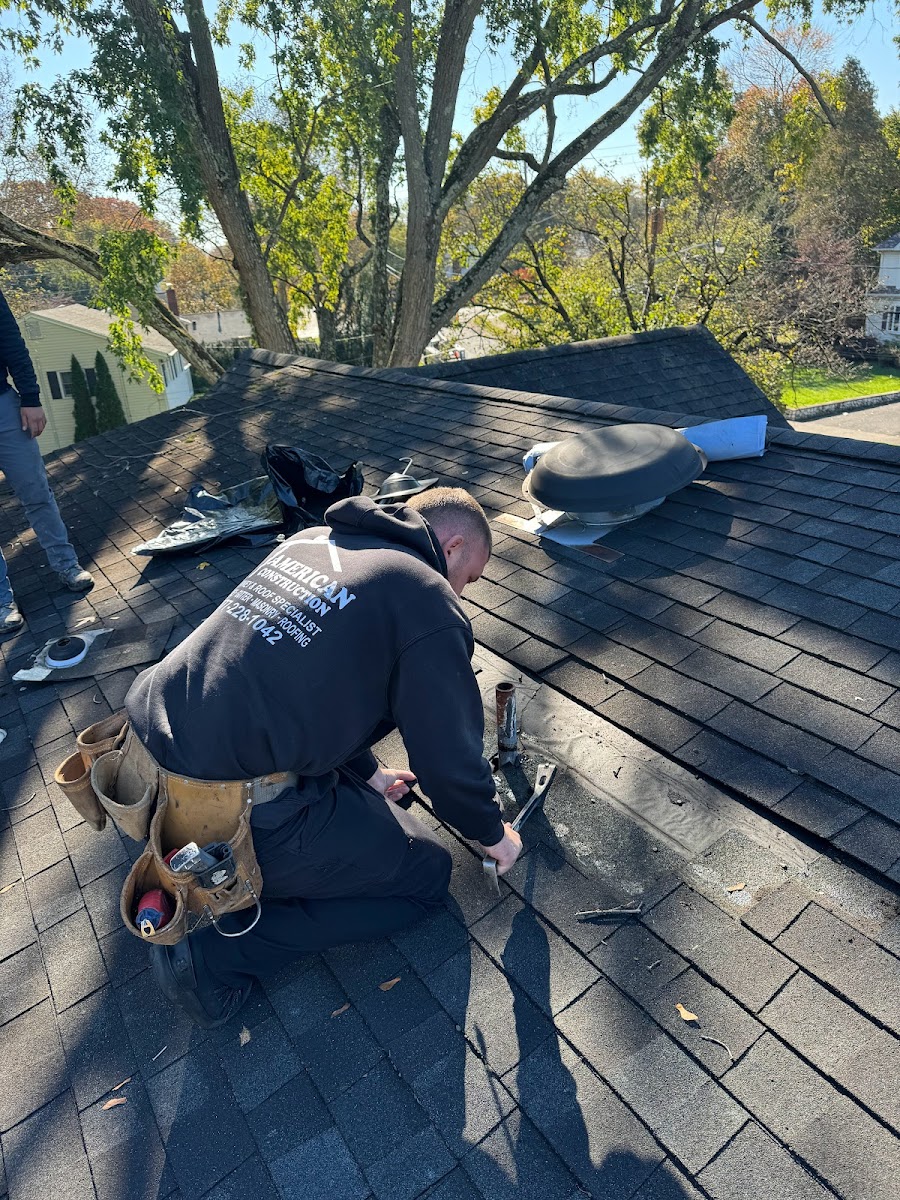
At American Roofing Pros NJ, we work on roofs like the one pictured above: asphalt shingle roofs with vents, plumbing pipes, and flashing details that need careful, hands-on attention. In this guide, we explain the most common roofing problems, how professional repairs are done, and how to choose a contractor you can trust.
Why Roof Repair Matters
Your roof is the first line of defense for everything under it. In the Northeast, it faces hot, humid summers, freezing winters, nor’easters, wind-driven rain, and the freeze-and-thaw cycles that slowly work into every gap and seam.
Timely roof repair matters for several reasons:
- It prevents water damage. Even a small leak can soak insulation, stain ceilings, and damage drywall.
- It stops mold and rot. Moisture trapped in the attic or roof deck creates ideal conditions for mold and wood rot.
- It saves money. A minor repair costs far less than a full replacement or interior restoration.
- It protects your home’s value. A well-maintained roof is a strong selling point.
Most roofs don’t fail all at once. They fail in small places first, and those places are usually where the roof is interrupted by a pipe, vent, chimney, or valley.
Warning Signs Your Roof Needs Repair
Not every roof problem is visible from the ground. Here are the signs that tell you it’s time to call a professional for roof repair.
Inside Your Home
- Brown or yellow stains on ceilings or walls
- Peeling paint near the ceiling line
- Damp or musty smells in the attic
- Daylight visible through the roof boards
- Higher energy bills from poor ventilation or wet insulation
On the Outside
- Cracked, curled, or missing shingles
- Granules collecting in gutters or at downspouts
- Damaged, rusted, or cracked flashing
- Sagging areas on the roofline
- Cracked rubber collars around plumbing vent pipes
- Moss, algae, or heavy debris buildup
If you notice any of these signs, schedule an inspection. Catching a problem early almost always means a smaller, cheaper repair.
Common Roof Repair Problems Homeowners Face
Every roof is different, but the same handful of issues account for most service calls.
Missing or Damaged Shingles
Wind, storms, and age can loosen or tear shingles. Once a shingle is gone, the underlayment beneath is exposed to sun and water. Replacing individual shingles is one of the most common and cost-effective forms of roof repair.
Damaged Flashing
Flashing is the metal or membrane material sealing the joints where the roof meets a chimney, wall, skylight, or valley. When flashing rusts, lifts, or cracks, water finds its way in quickly.
Failed Pipe Boots
Every plumbing vent that passes through your roof is sealed with a boot or collar. These components are exposed to sun and weather every day, and the rubber ring often cracks well before the shingles wear out.
Worn Roof Vents
Box vents, ridge vents, and turtle vents keep your attic ventilated. When their seals fail or they become damaged, they can leak or let in pests.
Clogged Gutters and Ice Damming
Debris-filled gutters push water back under the shingle edge. In winter, ice dams can force melted snow beneath the roof covering.
Storm Damage
High winds and falling branches can crack shingles, bend flashing, or puncture the roof. After a major storm, an inspection is always a smart move.
Pipe Boots and Vent Flashing: Small Parts, Big Leaks
The photo at the top of this article shows something we see on many roofs: a technician carefully working around a plumbing vent pipe, with a roof vent nearby. These spots look minor, but they are among the most common sources of roof leaks.
Why Pipe Flashing Fails
Most pipe boots use a rubber or neoprene collar. Over time, ultraviolet light, heat, and temperature swings cause that rubber to dry out, crack, and pull away from the pipe. Once that happens, rainwater runs straight down the pipe and into your attic or ceiling.
What a Proper Roof Repair Looks Like
A professional repair around a vent pipe typically includes:
- Carefully lifting the surrounding shingles without damaging them
- Removing the old, failed flashing and any deteriorated sealant
- Inspecting the roof deck and underlayment for moisture damage
- Installing new flashing that is properly integrated with the shingles above and below
- Sealing and fastening it correctly, then re-laying the shingles
Doing it right means the new flashing is layered so water flows over it, not under it. A dab of caulk over a cracked collar is a temporary patch at best. A true roof repair replaces the failed component.
Why Roof Vents Matter Too
Attic ventilation removes hot, moist air. Without it, heat builds up in summer and condensation forms in winter, both of which shorten the life of your shingles and decking. During a repair visit, we also check that vents are secure, sealed, and doing their job.
How Professional Roof Repair Is Done
A quality roof repair follows a clear process. Here’s what you should expect from a professional roofer.
Step 1: Inspection
A thorough inspection covers the shingles, flashing, vents, gutters, and, when possible, the attic. Identifying the true cause of a leak is essential, because the spot where water appears inside is often far from where it enters.
Step 2: Clear Explanation and Estimate
You should receive a plain-language explanation of what’s wrong, what needs to be done, and what it will cost. No pressure, no vague answers.
Step 3: Preparation and Safety
Roofing is demanding, dangerous work. A professional crew uses proper safety practices, protects your landscaping and property, and plans around the weather.
Step 4: The Repair
Damaged materials are removed, the area beneath is checked, and new materials are installed to manufacturer standards. Every detail matters, from the nails used to the way each layer overlaps.
Step 5: Cleanup and Final Check
A responsible contractor cleans up thoroughly, including magnetic sweeping for stray nails, and reviews the finished work with you.
Repair or Replace: Making the Right Call
Homeowners often ask whether they should choose roof repair or a full replacement. The honest answer depends on the roof’s condition and age.
When Repair Makes Sense
- Damage is limited to one area
- The roof is relatively young and otherwise in good shape
- The problem is isolated, such as a single vent, flashing section, or a few shingles
When Replacement May Be Better
- The roof is near or beyond its expected lifespan
- Leaks keep appearing in different locations
- Shingles are widely curling, cracking, or losing granules
- The decking is soft or sagging
A reputable contractor will give you an honest assessment rather than pushing the bigger job. If repair will solve the problem, that’s what you should be told. You can also read more about our full roofing services on our roof replacement page.
How Trees, Weather, and Seasons Affect Your Roof
Mature, leafy neighborhoods are beautiful, but those trees can be tough on roofs. Look again at the photo: large branches hang directly over the roofline. That’s common, and it brings its own risks.
Tree-Related Roof Problems
- Falling limbs can crack or puncture shingles during storms.
- Leaves and debris hold moisture against the roof, encouraging moss and algae.
- Shade keeps the roof damp for longer, speeding up wear.
- Clogged gutters result from constant leaf fall, especially in autumn.
Trimming branches back from the roof and clearing debris regularly can noticeably extend the life of your shingles and reduce how often you need roof repair.
Seasonal Considerations
- Spring: Inspect for winter damage and check flashing and vents.
- Summer: Heat and UV exposure stress rubber seals and shingles.
- Fall: Clear leaves and prepare for heavy rain and early frost.
- Winter: Watch for ice dams and leaks after snow melts.
A yearly inspection, ideally in spring or fall, helps you catch issues before they grow.
What Affects the Cost of Roof Repair
There is no single price for roof repair, because every job is different. The main factors are:
- Type and extent of damage. Replacing a pipe boot costs far less than repairing a large storm-damaged area.
- Roof pitch and access. Steeper or more complex roofs take more time and safety equipment.
- Materials. Shingle type, flashing material, and vent style all influence price.
- Underlying damage. If water has damaged the decking or insulation, additional work may be needed.
- Urgency. Emergency repairs after storms may require faster scheduling.
Always ask for a written estimate that lists the scope of work and materials. Beware of quotes that are dramatically lower than others, since they can signal cut corners.
Homeowners with storm damage may also want to review their policy and coverage. The New Jersey Division of Consumer Affairs offers helpful resources on consumer rights and hiring contractors.
How to Choose a Roof Repair Contractor
Hiring the right roofer is just as important as the repair itself. Here’s what to look for.
Check Registration and Insurance
In New Jersey, home improvement contractors must be registered. Ask for proof of registration and liability insurance, and confirm details through official state resources.
Look for Local Experience
A contractor who works regularly in your area understands local building conditions, weather patterns, and what municipalities expect.
Ask About Materials and Workmanship
A good roofer explains which materials will be used and how the work will be done. The National Roofing Contractors Association (NRCA) publishes industry guidance that can help you understand quality standards.
Read Reviews and Ask for References
Recent customer reviews reveal how a company communicates, shows up, and finishes the job.
Get Everything in Writing
A professional estimate includes scope, materials, timeline, and payment terms. If it’s not in writing, it isn’t a promise.
Trust Your Instincts
Good contractors are responsive, respectful, and patient with your questions. If you feel pressured, keep looking.
Roof Maintenance Tips to Extend Roof Life
Regular care is the most affordable way to avoid major repairs. Follow these simple habits:
- Schedule annual inspections and always after major storms.
- Keep gutters clean so water drains freely.
- Trim overhanging branches to reduce debris and impact damage.
- Check attic ventilation to prevent heat and moisture buildup.
- Replace aging flashing and pipe boots before they fail.
- Remove moss and algae using safe methods, never pressure washing shingles.
- Address small problems immediately rather than waiting.
For homeowners interested in energy efficiency, ENERGY STAR offers useful information on roofing products that can reduce cooling costs.
You can also explore our home exterior services to see how roofing, siding, and other exterior work can be combined into a single, well-planned project.
Frequently Asked Questions
How do I know if I need roof repair?
Look for ceiling stains, missing or curling shingles, cracked flashing, and granules in your gutters. If you spot any of them, book an inspection. Early roof repair usually costs far less than waiting.
How long does a typical roof repair take?
Small repairs, like replacing a pipe boot or several shingles, can often be completed in a few hours. Larger repairs may take a day or more, depending on the weather and the extent of the damage.
Can a leak be repaired without replacing the whole roof?
Yes. If the roof is otherwise in good condition, a targeted repair of flashing, vents, or shingles can stop the leak and add years of service life.
Is it safe to fix a roof myself?
We don’t recommend it. Roofing involves falls, unstable surfaces, and hidden problems that are easy to miss. A DIY patch can also hide the real source of the leak and lead to bigger damage later.
Should I schedule roof repair before winter?
Yes. Freezing temperatures, ice, and snow make existing weaknesses worse. Completing repairs in fall helps your roof handle the cold months.
Do you offer free estimates?
Contact our team to discuss your roof and request an estimate for your property.
Schedule Your Roof Inspection
A healthy roof protects everything beneath it. Whether you’ve noticed a stain on the ceiling, a cracked vent collar, or missing shingles after a storm, the right time to act is now.
American Roofing Pros NJ provides careful, honest, and professional service, from small flashing repairs to complete roofing projects. If you’re searching for roof repair you can trust, our team is ready to help.