Roof replacement NJ homeowners plan ahead is almost always cheaper, calmer, and safer than the emergency job that follows a major leak. A roof does not fail overnight. It ages quietly for years under sun, ice, and wind, and then one storm turns small weaknesses into water in the living room. The good news is that the warning signs are visible long before the damage becomes severe, if you know what to look for.
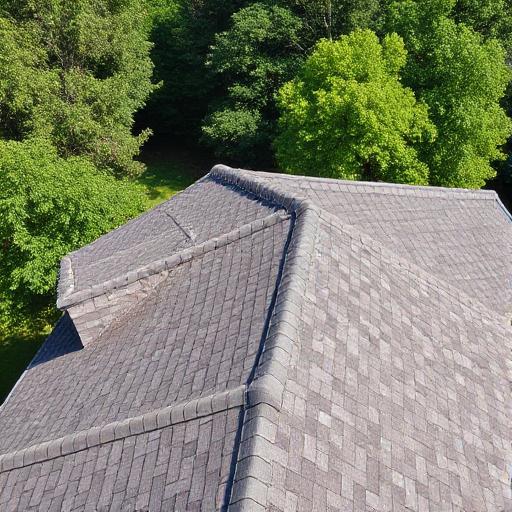
The photograph above shows a typical example: an aerial view of a multi-section hip roof covered in gray asphalt shingles and framed by mature trees. The surface looks weathered and uneven, the ridge caps show their age, and the many hips and valleys create the kind of complex geometry where wear appears first. A roof like this may still have years left, or it may be nearing the point where roof replacement NJ specialists would recommend a new system. Only a proper evaluation can tell.
In this guide, the team at American Roof Repair & Replacement explains the warning signs, how to decide between repair and replacement, which materials suit New Jersey, how a professional project runs, and how to choose a contractor you can trust.
Table of Contents
- What the Photo Shows About This Roof
- Why New Jersey Weather Shortens Roof Life
- 8 Signs You May Need Roof Replacement NJ Experts Recommend
- Repair or Replacement? How to Decide
- Choosing Materials for Roof Replacement NJ Homes
- How a Professional Roof Replacement NJ Project Works
- What Affects the Cost of Roof Replacement NJ Owners Pay
- How to Choose a Roofing Contractor in New Jersey
- Protecting Your New Roof
- Frequently Asked Questions
- Final Thoughts
What the Photo Shows About This Roof
Every roof evaluation begins with careful observation, so let’s look closely at the image.
The roof design. This is a hip roof with several sections meeting at angles. A central hip runs diagonally toward the peak, and a smaller section on the left steps down from the main roof. Hip designs resist wind well, but every added hip, ridge, and valley is another seam that must stay watertight.
The shingles. The roof is covered in gray asphalt shingles. The color looks faded and uneven, with lighter and darker patches across the slopes. That pattern often appears as shingles age and lose protective granules, though only a close inspection can confirm how much wear has occurred.
The ridge and hip caps. Thick cap shingles run along every ridge. These are the most exposed pieces on any roof, taking the harshest sun and wind. In the photo they look dull and weathered, which is common on roofs of a certain age.
The valley and transitions. A dark line follows the junction between roof planes. Valleys carry large volumes of water, so any weakness there matters more than almost anywhere else.
The surroundings. Dense trees surround the home. Branches drop leaves and moisture, shade the roof so algae and moss grow, and can scrape shingles during storms.
None of this proves the roof has failed. It does show why homeowners with roofs like this should consider an evaluation before the next hard winter.
Why New Jersey Weather Shortens Roof Life
A roof in a mild climate lasts longer than the same roof in Bergen, Hudson, Essex, or Passaic County. New Jersey puts roofing through a demanding cycle every year.
Freeze-thaw cycles. Water slips into tiny gaps, freezes, and expands. Repeated across a winter, this breaks sealant bonds and lifts shingle edges.
Snow and ice dams. Heat escaping from the attic melts snow that refreezes at the eaves. The resulting ice dam forces water under shingles and into the walls.
Wind and storms. Nor’easters and summer thunderstorms pull at loose shingles, particularly along ridges and edges.
Heat and humidity. Summer sun bakes asphalt, while humidity feeds algae and moss that hold moisture against the surface.
Tree cover. Shaded roofs stay damp longer, which speeds up deterioration.
Because of these conditions, a roof that would last thirty years elsewhere may need roof replacement NJ homeowners schedule closer to twenty. Ventilation, installation quality, and maintenance all influence the result.
8 Signs You May Need Roof Replacement NJ Experts Recommend
Not every problem requires a new roof, but these eight signs deserve serious attention.
1. Age of 20 Years or More
Asphalt shingle roofs typically last around 20 to 30 years. If your roof is in that range, start planning, even if it has not leaked yet. Planning on your schedule beats deciding under pressure.
2. Curling, Cracking, or Buckling Shingles
Shingles should lie flat. Edges that curl upward, cracks across the surface, or a rippled appearance indicate the material has reached the end of its flexibility.
3. Heavy Granule Loss
Granules shield the asphalt from ultraviolet rays. If your gutters collect sand-like grit, or the roof shows bald, dark patches, the protective layer is wearing away.
4. Missing Shingles and Failed Ridge Caps
Occasional storm damage is normal. Repeated losses, especially along ridges and hips, suggest the roof has lost its holding strength. This is one of the clearest triggers for roof replacement NJ contractors see after harsh winters.
5. Leaks and Interior Stains
Brown rings on ceilings, peeling paint, or damp attic insulation point to water getting through. One leak can be repaired. Several leaks in different areas suggest a system-wide failure.
6. Sagging or Uneven Roof Planes
A dip or wave in the roofline can signal trapped moisture or a weakened deck. This is a structural concern and should be evaluated immediately.
7. Moss, Algae, and Persistent Dampness
Green or black growth is more than a cosmetic issue. It holds moisture against the shingles and shortens their life, especially on shaded slopes like those in the photo.
8. Rising Energy Bills
When insulation and ventilation underperform, or the roof surface can no longer reflect heat well, heating and cooling costs climb. A new roof system with proper ventilation often brings noticeable improvement.
If you recognize three or more of these signs, a professional roof replacement NJ consultation is the logical next step.
Repair or Replacement? How to Decide
Homeowners often ask whether a repair will do. Four factors guide the answer.
Age. A younger roof with localized damage is usually a repair candidate. A roof near the end of its expected life is not.
Extent of damage. A few lifted shingles or one failed vent boot is a repair. Widespread curling, granule loss, or leaks across several slopes is not.
Condition beneath the shingles. If the underlayment is brittle or the deck is soft, covering the problem with new shingles only hides it.
Repair history. If you have paid for several repairs within a few years, the combined cost may be close to the cost of a new roof.
A reputable contractor will tell you honestly which situation applies. At American Roof Repair & Replacement, we recommend roof replacement NJ homeowners can justify, and we say so plainly when a repair is enough.
Choosing Materials for Roof Replacement NJ Homes
The right material depends on your home, your budget, and how long you plan to stay.
Architectural asphalt shingles. The most popular choice in New Jersey. They offer strong value, good wind ratings, many colors, and a long warranty range. The roof in the photo appears to be this type.
Premium and impact-resistant shingles. These add durability against hail and debris, and some qualify for insurance considerations. Ask your insurer.
Metal roofing. Long-lasting, lightweight, and excellent at shedding snow. The upfront cost is higher.
Slate and tile. Beautiful and extremely durable, but heavy and costly. The structure must support the load.
Synthetic materials. Engineered products that mimic slate or cedar with less weight and maintenance.
Color matters too. Lighter, reflective shingles reduce heat absorption, which can help summer cooling. The ENERGY STAR program offers general guidance on energy-efficient roofing products. Ventilation and underlayment are as important as the shingle itself. A premium shingle installed over poor ventilation will not reach its full lifespan.
How a Professional Roof Replacement NJ Project Works
A well-run project follows a clear sequence. Here is what to expect.
Step 1: Inspection and Measurement
The crew inspects the roof surface, flashing, ridges, valleys, gutters, and attic. Measurements and photos document the scope.
Step 2: Written Proposal
You receive an itemized proposal describing materials, labor, timeline, permits, and warranties. Nothing should be vague.
Step 3: Permits and Scheduling
Many New Jersey municipalities require a permit for re-roofing. A professional contractor handles the paperwork and schedules around the weather.
Step 4: Property Protection
Tarps protect landscaping, decks, and siding. Magnetic sweepers collect stray nails throughout the job.
Step 5: Tear-Off and Deck Inspection
Old shingles and underlayment are removed. The deck is inspected, and any rotted or damaged boards are replaced before anything new goes on.
Step 6: Installation of the New System
Underlayment, ice and water protection at eaves and valleys, new flashing, ventilation components, shingles, and ridge caps are installed according to manufacturer specifications.
Step 7: Final Cleanup and Walkthrough
The crew clears debris, checks the work, and walks you through the finished roof.
Most residential roof replacement NJ projects are completed in one to three days, depending on size, complexity, and weather. A hip roof with multiple sections, like the one in the photo, takes more detail work at every ridge and valley.
What Affects the Cost of Roof Replacement NJ Owners Pay
No honest contractor can quote an exact price without seeing the roof. These factors drive most estimates:
- Roof size and complexity: More hips, valleys, and dormers mean more labor and materials.
- Material choice: Premium products cost more than standard architectural shingles.
- Pitch and height: Steeper roofs require extra safety equipment and time.
- Deck condition: Hidden rot adds repair work.
- Layers to remove: Multiple old layers increase tear-off time.
- Flashing, vents, and chimneys: Detail work adds labor.
- Access and cleanup: Tight yards and heavy tree cover slow the project.
- Permits and disposal: Local requirements vary.
Ask whether the quote includes decking repairs, ventilation, and ice and water protection. Many homeowners also ask about insurance. Sudden damage from wind or fallen trees may be covered, while age-related wear usually is not. Photos and written inspection reports make claims easier.
How to Choose a Roofing Contractor in New Jersey
A new roof is a major investment, and storm season attracts crews that disappear after the check clears. Before hiring anyone for roof replacement NJ projects, check the following:
- Registration. New Jersey requires home improvement contractors to register. Verify through the NJ Division of Consumer Affairs.
- Insurance. Ask for proof of liability and workers’ compensation coverage.
- Local reputation. Read real reviews and ask for references in your town.
- Industry standards. Look for contractors who follow guidance from the National Roofing Contractors Association.
- Manufacturer knowledge. The Asphalt Roofing Manufacturers Association publishes resources on proper installation.
- Written warranties. Both material and workmanship coverage should be in writing.
- Clear communication. A professional explains options without pressure.
American Roof Repair & Replacement serves New Jersey homeowners with honest evaluations, transparent pricing, and workmanship we stand behind. You can learn more on our roofing services page.
Protecting Your New Roof
A new roof lasts longest with simple, regular care.
Spring. Check for winter damage and clean gutters.
Summer. Trim branches that touch the roof and inspect after severe storms.
Fall. Clear leaves from the roof, valleys, and gutters before freezing weather.
Winter. Watch for ice dams and never chip ice off the roof yourself.
Schedule a professional check once a year and after every major storm. Keep your warranty paperwork and installation photos in a safe place. They matter for claims and for resale.
Frequently Asked Questions
How long does roof replacement NJ homeowners need take?
Most residential projects take one to three days. Complex roofs, larger homes, and bad weather can extend the schedule.
Can new shingles go over old ones?
Sometimes, but we generally recommend a full tear-off. It allows deck inspection, proper underlayment, and a longer-lasting result.
How do I know my roof is at the end of its life?
Look for age over twenty years, curling or cracked shingles, granule loss, repeated leaks, and sagging. A professional evaluation confirms the diagnosis.
Is it better to replace the roof in a certain season?
Spring and fall offer mild conditions, but experienced crews work year-round. Do not delay a needed project because of the calendar.
Will my home be protected during the project?
Yes. Professional crews cover landscaping, protect decks and siding, and clean up thoroughly with magnetic sweepers.
Does insurance cover roof replacement?
It depends on the policy and cause. Sudden storm damage is often covered, while normal aging is not. Document conditions with photos and a written report.
Final Thoughts
A roof protects everything beneath it, yet it is the part of the house we examine least. Faded shingles, weathered ridge caps, and persistent moisture, like the signs visible in the photograph, are quiet messages that attention is needed. Homeowners who respond early gain choices: better timing, better pricing, and a roof installed without emergency pressure.
If your roof is approaching twenty years, or you have noticed any of the signs above, don’t wait for the next storm to decide for you. Professional roof replacement NJ homeowners can trust starts with an honest evaluation and a clear plan.