Tile roof repair NJ homeowners rely on begins with one simple idea: small problems on a tile roof are inexpensive to fix, while ignored problems become expensive very quickly. A cracked tile, a slipped row, or a worn vent seal may look harmless from the driveway. Underneath, water may already be finding its way into your home.
At AMERICAN Roof Repair & Replacement, we inspect and repair tile roofs across New Jersey. This guide explains how to spot trouble early, what a professional repair involves, what affects the price, and how to choose a contractor you can trust.
Table of Contents
- Why Tile Roof Repair NJ Homeowners Should Not Delay
- 7 Signs Your Tile Roof Needs Repair
- What Professional Tile Roof Repair Looks Like
- Why Safety Matters on Every Roof
- How New Jersey Weather Affects Tile Roofs
- Tile Roof Repair vs. Full Replacement
- What Affects Tile Roof Repair Costs in NJ
- How to Choose a Tile Roof Repair Contractor
- Maintenance Tips to Extend Your Roof’s Life
- Frequently Asked Questions
- Final Thoughts
Why Tile Roof Repair NJ Homeowners Should Not Delay
Tile is one of the most durable roofing materials available. Clay and concrete tiles can last for decades when they are installed correctly and maintained well. That long lifespan creates a common misunderstanding: many owners assume a tile roof needs no attention at all.
In reality, the tiles are only the visible layer. The real waterproofing often depends on the underlayment, the flashing, and the sealed penetrations beneath and around those tiles. When any of these fail, water can enter even though most tiles look perfect.
New Jersey adds extra pressure. Freezing winters, heavy spring rain, humid summers, and coastal storms all test a roof year after year. A professional tile roof repair NJ service catches weak points before the next storm turns them into leaks, rotted decking, or damaged ceilings.
Acting early also protects your budget. Replacing a few tiles and resealing a vent costs a fraction of repairing water-damaged insulation, drywall, and framing.
7 Signs Your Tile Roof Needs Repair
Knowing what to look for helps you decide when to call a professional. Here are the seven most common warning signs we see during tile roof repair NJ inspections.
1. Cracked, Chipped, or Broken Tiles
Cracks often come from fallen branches, hail, foot traffic, or freeze-thaw cycles. Even a hairline crack allows water to reach the underlayment. Broken tiles should be replaced promptly rather than patched with temporary sealant.
2. Slipped or Displaced Tiles
Tiles are designed to interlock and overlap. When one slides out of position, it exposes the layer beneath. Slipped tiles are common after strong wind and often point to failing fasteners or aging underlayment nearby.
3. Orange, Brown, or Dark Staining
Look closely at many aging tile roofs and you will notice orange or rust-colored streaks and dark patches. Sometimes this is surface oxidation, moss, algae, or lichen. In other cases it signals moisture retention or deteriorating tile coatings. Staining is not always an emergency, but it deserves a professional opinion.
4. Water Stains on Ceilings or Walls
Brown rings on a ceiling, peeling paint, or damp spots near exterior walls usually mean water is already entering. Interior stains often appear far from the actual leak, which is why a trained roofer traces the source across the whole roof.
5. Damaged Flashing and Sealants
Flashing is the metal that seals joints along walls, valleys, chimneys, and edges. Sealants around vents and pipe boots also dry out over time. These areas cause more leaks than the tiles themselves, so any quality tile roof repair NJ visit should include a detailed flashing inspection.
6. Sagging or Uneven Roof Sections
Tile is heavy. If water has softened the decking beneath, you may see dips or waves in the roofline. This is a serious sign and requires immediate professional attention.
7. Rising Energy Bills or Attic Moisture
A damp attic, musty odor, or sudden increase in heating and cooling costs can signal compromised underlayment or poor ventilation. Roof repairs often restore both protection and efficiency.
What Professional Tile Roof Repair Looks Like
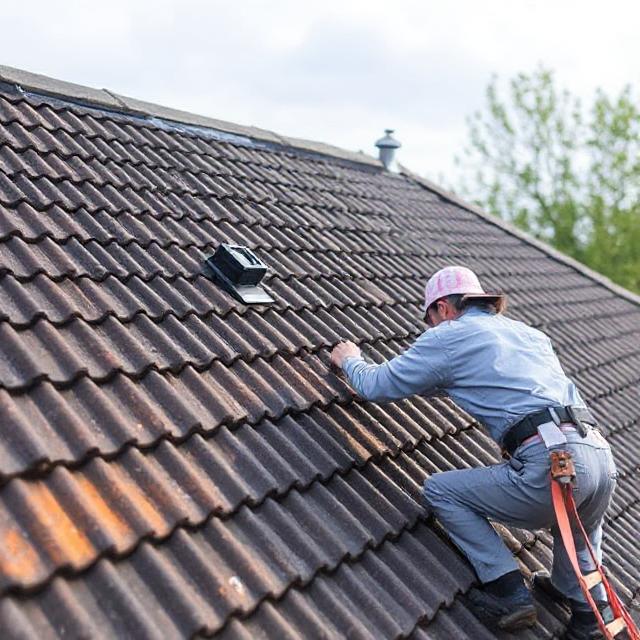
Many homeowners are surprised by how detailed a proper repair is. Looking at a typical job, a technician works carefully across the roof surface, lifting and inspecting tiles by hand, checking the condition of each course, and examining every penetration.
Step 1: Thorough Inspection
The process begins with a full inspection of the roof surface, ridge, valleys, eaves, vents, and chimney areas. A technician checks for cracked tiles, loose rows, failed sealant, rust-prone metal, and signs of moisture. Photos and notes document what is found.
Step 2: Careful Tile Removal
Damaged or displaced tiles are lifted without breaking neighboring ones. Skilled handling matters because tile is brittle and an inexperienced crew can cause more damage than it fixes.
Step 3: Underlayment and Decking Check
With tiles removed, the layer beneath is examined. Worn or torn underlayment is replaced, and any soft decking is repaired. This is the step that separates a lasting repair from a cosmetic one.
Step 4: Replacement and Re-Securing
New or salvaged tiles are matched as closely as possible in profile and color, then secured according to manufacturer guidelines and local code. Proper fastening is critical in windy conditions.
Step 5: Vents, Flashing, and Penetrations
Roof vents, exhaust caps, and pipe penetrations are checked and resealed or replaced as needed. In the image above, you can see a roof vent set into the tile field and a metal vent cap near the ridge. These small components are common leak points, so a good tile roof repair NJ visit never ignores them.
Step 6: Final Cleanup and Walkthrough
The crew clears debris, checks gutters for fallen fragments, and reviews the completed work with you.
Why Safety Matters on Every Roof
Roofing is demanding, hazardous work. Steep pitches, brittle tile, and unpredictable weather all raise the risk of falls. In the photo, the technician wears a hard hat and a full safety harness connected to a lifeline. That equipment is not optional at a responsible company.
The Occupational Safety and Health Administration (OSHA) publishes fall protection standards that apply to roofing work, and reputable contractors follow them on every job.
Why should this matter to you as a homeowner?
- Insurance: A properly insured contractor protects you from liability if an accident happens on your property.
- Quality: Crews that work safely tend to work carefully and methodically.
- Professionalism: Safety habits reflect a company’s overall standards.
When you request a tile roof repair NJ estimate, ask about safety practices and insurance coverage. A confident contractor will answer without hesitation.
How New Jersey Weather Affects Tile Roofs
Tile handles heat, rain, and sun well, but New Jersey’s climate still takes a toll.
Freeze-thaw cycles. Water enters tiny cracks, freezes, expands, and widens the damage. Repeated cycles through winter can turn a hairline crack into a broken tile.
Nor’easters and coastal storms. High winds can lift or shift tiles, especially along ridges and edges where uplift forces are strongest.
Heavy rain and humidity. Constant moisture encourages moss, algae, and lichen growth, particularly on shaded north-facing slopes. Organic growth holds water against the tile surface.
Falling branches and debris. Many New Jersey neighborhoods have mature trees, and storms regularly drop limbs onto roofs.
After any major storm, a quick visual check from the ground is smart. If you notice missing, shifted, or broken tiles, schedule professional tile roof repair NJ service as soon as possible. For storm preparedness resources, the Ready.gov severe weather guide is a helpful reference.
Tile Roof Repair vs. Full Replacement
Not every damaged roof needs replacement, and not every repair is worth doing. Here is how to think about the decision.
When Repair Makes Sense
- Damage is limited to a few tiles or one section.
- The underlayment is still in reasonable condition.
- Leaks come from flashing, vents, or sealants rather than widespread failure.
- The roof is relatively young compared with the expected life of its material.
When Replacement May Be Better
- Water damage appears in multiple areas of the roof.
- The underlayment has reached the end of its life across the whole roof.
- Large numbers of tiles are cracked, slipping, or deteriorated.
- Repair costs are approaching a significant portion of replacement cost.
An honest contractor explains both options and shows you the evidence. If you want to explore a full re-roof, our roof replacement services page covers what to expect. For smaller issues, see our roof repair services.
What Affects Tile Roof Repair Costs in NJ
Every roof is different, so no honest company can quote a price without seeing it. These factors influence the final cost of tile roof repair NJ projects:
- Extent of damage: A few replacement tiles cost far less than a repair involving decking and underlayment.
- Tile type and availability: Clay, concrete, and specialty profiles vary in price, and discontinued styles can be harder to match.
- Roof pitch and access: Steep or complex roofs require more time, equipment, and safety measures.
- Flashing and ventilation work: Replacing flashing, vents, or chimney components adds labor and materials.
- Underlying repairs: Rotted decking or damaged framing must be corrected before tiles go back.
- Time of year and urgency: Emergency repairs after storms can be scheduled differently than routine work.
The best way to get an accurate number is a free, no-pressure inspection and written estimate. Insurance may cover sudden storm damage, so contact your provider and document everything with photos.
How to Choose a Tile Roof Repair Contractor
Choosing the right roofer matters as much as the repair itself. Use this checklist when comparing companies for tile roof repair NJ work.
Verify registration and insurance. In New Jersey, home improvement contractors must be registered. The NJ Division of Consumer Affairs lets you verify a contractor and file complaints if needed. Ask for proof of liability and workers’ compensation coverage.
Look for tile experience. Tile requires different handling than asphalt shingles. Ask how many tile roofs the company repairs each year.
Insist on a written estimate. It should describe the scope, materials, timeline, and warranty clearly.
Ask about warranties. Workmanship warranties show confidence in the repair.
Check reviews and references. Recent customer feedback reveals reliability, communication, and cleanliness.
Watch for red flags. Be cautious of door-to-door storm chasers, large upfront cash demands, pressure to sign immediately, or vague estimates.
Industry organizations such as the National Roofing Contractors Association offer homeowner resources that explain what quality roofing work looks like.
Maintenance Tips to Extend Your Roof’s Life
Regular maintenance is the cheapest form of roof protection. These habits keep your tile roof performing for years.
- Schedule annual inspections. Once a year, ideally after winter, is a good rhythm.
- Inspect after major storms. Wind and falling debris cause sudden damage.
- Keep gutters clean. Clogged gutters push water back under the lower tile courses.
- Trim overhanging branches. This reduces impact damage and shaded moisture.
- Remove moss and algae gently. Avoid high-pressure washing, which can damage tiles and force water beneath them. Ask a professional for safe cleaning methods.
- Never walk on tile unnecessarily. Foot traffic cracks tiles. Leave roof access to trained professionals with proper safety equipment.
- Check attic ventilation. Good airflow reduces heat and moisture buildup that age roofing materials faster.
Ventilation also affects energy use. The U.S. Department of Energy’s Energy Star roof products guide explains how roofing choices influence cooling costs.
Small, consistent effort pays off. A well-maintained tile roof, supported by timely tile roof repair NJ service when needed, can remain a reliable shield for your home for many years.
Frequently Asked Questions
How long does tile roof repair take?
Minor repairs, such as replacing several tiles or resealing a vent, are often completed in a day. Larger jobs involving underlayment or decking take longer. Weather also affects scheduling.
Can a leaking tile roof be repaired without replacing the whole roof?
Often, yes. Many leaks come from localized issues such as cracked tiles, failed flashing, or worn sealants. A proper inspection identifies the true source so you only pay for what the roof actually needs.
Is orange or dark staining on my tile roof dangerous?
Not always. It can be surface oxidation, moss, or algae. However, staining sometimes indicates moisture retention or deteriorating coatings. A professional can tell the difference and recommend cleaning or repair.
Will replacement tiles match my existing roof?
Professionals try to match profile, size, and color as closely as possible. Weathered roofs may show slight variation, and salvaged tiles from less visible areas can sometimes be used for visible repairs.
How often should I have my tile roof inspected?
At least once a year and after any severe storm. Early detection is the most cost-effective approach to tile roof repair NJ homeowners can follow.
Do you offer emergency tile roof repair?
When storms cause active leaks or missing tiles, quick response matters. Call us and we will discuss the fastest way to protect your home.
Final Thoughts
A tile roof is a long-term investment, and protecting it takes attention, not guesswork. Cracked tiles, slipped rows, worn flashing, and aging vent seals are all manageable when caught early. Ignored, they lead to leaks, rot, and costly interior damage.
Professional tile roof repair NJ service combines careful inspection, skilled handling, quality materials, and strict safety practices, exactly the standards shown in the photo above, where a technician works fully protected on a tiled slope.
If you suspect a problem, or simply want peace of mind before the next storm, AMERICAN Roof Repair & Replacement is ready to help.